7 Day Ruaha And Udzungwa Walking Safari
Destinations: Tanzania, Ruaha National Park and Udzungwa Mountains National Park
This trip pairs the big-game plains of Ruaha with something few southern safaris include, the forested slopes of the Udzungwa Mountains part of the Eastern Arc range and one of the richest patches of biodiversity in Africa. You spend the first half on game drives in Ruaha, Tanzania’s largest park then move to Udzungwa, where the wildlife watching happens on foot: forest trails, waterfalls and primates found nowhere else on earth.
Day By Day
Day 1 Fly To Ruaha And Afternoon Drive
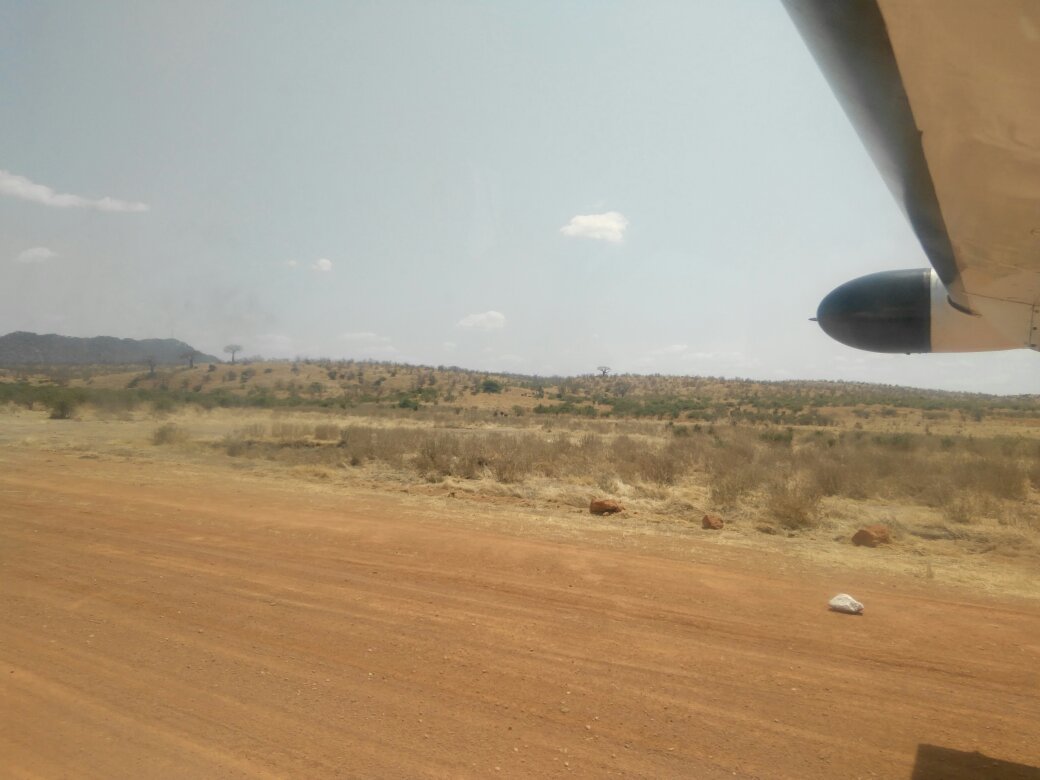
You fly in from Dar es Salaam or Iringa, roughly two hours over the Southern Highlands, and land at Msembe. The drive to camp along the Great Ruaha River is your first game drive.
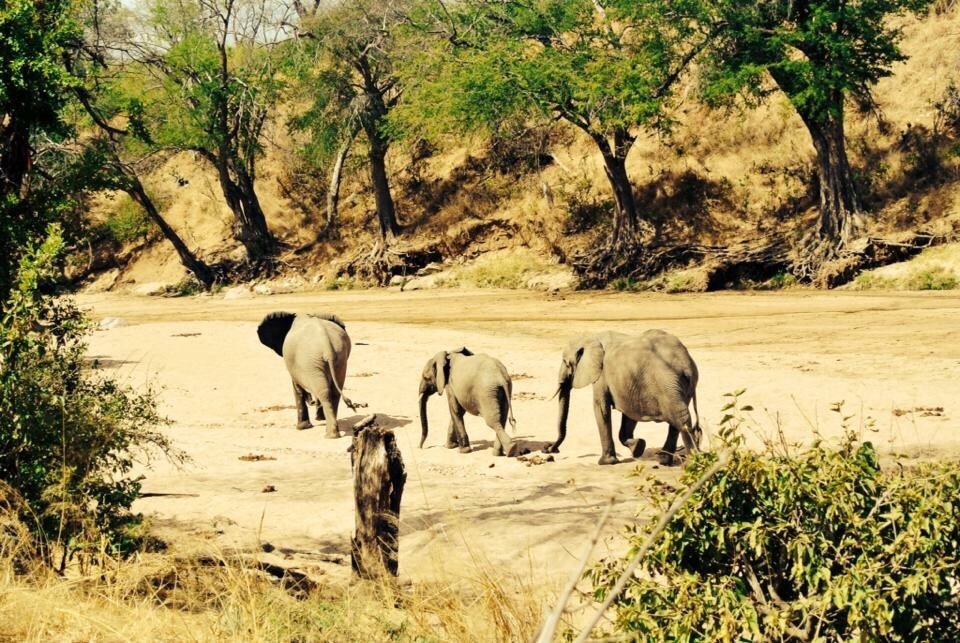
Ruaha shows its hand quickly, elephant on the banks, giraffe in the acacia, and the big cats the park is built around. It holds around ten percent of the world’s lions in prides that can top twenty animals, with baobabs standing over the whole scene. You reach camp as the light drops, hippo grunting below, and settle in for dinner under the stars with the river close by. The plan for the next two days is simple: as much time as possible along the river where Ruaha’s game concentrates in the dry season.
Day 2 Full Day In Ruaha
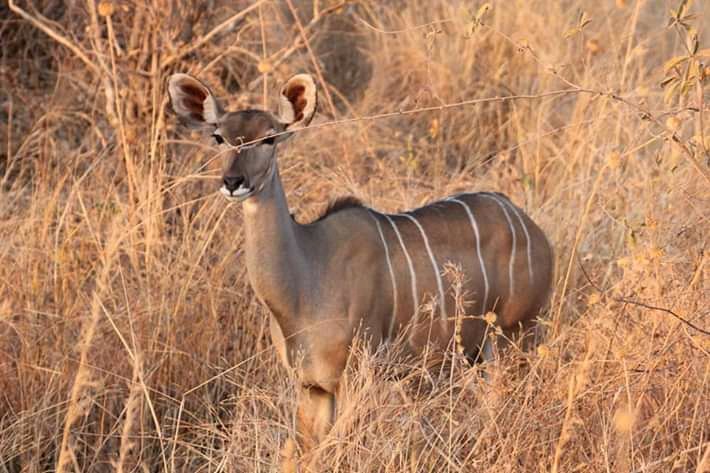
A full day along the Great Ruaha River and its sand rivers. Out at dawn, the cool early hours are for predators, lion still out, leopard for cover, and the wild dogs Ruaha does better than almost anywhere. As the dry season bites, the shrinking river draws everything to water: elephant from a population of around 12,000 buffalo at the crossings, and the kudu, sable and roan that are Ruaha specials.
You rest through the midday heat, then head out again as it cools. The baobabs turn gold in the low light and the river fringe stays alive with birds, the park list runs to more than 570 species. This is your last full day of classic big-game driving before the trip changes gear tomorrow, so the guide works the pride territories hard and fills any gaps on your list.
Day 3 Ruaha To Udzungwa
A morning drive at first light, then breakfast and the road east toward the Udzungwa Mountains. The drive takes most of the day, dropping out of the dry Ruaha country and running toward the green wall of the Eastern Arc, the forest rising ahead as you near the town of Mang’ula at the park gate.
Udzungwa Mountains National Park protects one of the oldest forests in Africa, part of a mountain chain sometimes called the Galapagos of Africa for the number of species found there and nowhere else. There are no game drives here, the park is walked, not driven. You reach your lodge near the gate in the afternoon, with time to settle in and look up at the forested slopes you will climb tomorrow, the calls of birds and primates drifting down from the trees.
Day 4 Sanje Waterfall Hike
Today you walk to the Sanje Waterfall, which drops around 170 metres in three stages through the forest, the signature hike of Udzungwa. The trail climbs steadily through tall forest, and an armed ranger leads the way, pointing out what a drive would never show you: the birds, the butterflies, the troops of monkeys in the canopy.
The mountains are home to primates found only here, including the Iringa red colobus and the Sanje crested mangabey and the forest is loud with them once you are inside it. Near the top you can swim in the pool below the falls, the spray cool after the climb, with the plains of the Kilombero Valley spread out far below. The walk is a real one, several hours up and down over roots and rock, and it earns the view. You come back down to the lodge in the afternoon, legs tired, having watched wildlife in a way no vehicle allows.
Day 5 Forest Trails And Primate Walk
Another day on foot, on one of the quieter forest circuits with your ranger. Today is less about the big set-piece waterfall and more about the forest itself, moving slowly, watching the canopy, learning to pick out the primates by sound before you see them.
Udzungwa protects an a huge spread of life: more than 400 bird species and at least six primate species, several of them endemic. You may find the red colobus feeding overhead, hear the mangabey calling across a valley, and cross clear forest streams on the way. The birding is exceptional for anyone who cares to look, with Eastern Arc endemics that draw birders from around the world. It is a slower, greener day than anything in Ruaha, and the contrast between the two halves of this trip, dry savannah cats and dripping mountain forest, is exactly what makes it worth doing.
Day 6 Udzungwa To Dar Es Salaam
After a last morning in the forest, a short walk or a slow breakfast listening to the birds, you start the drive back toward the coast. The road runs down through the Kilombero Valley, farmland and villages either side, the mountains falling away behind you.
It is a long transfer, so the day is mostly spent on the road, but the country is worth watching: the great flat sweep of the valley, the sugar and rice country, the everyday life of southern Tanzania passing the window. You reach Dar es Salaam in the evening. Depending on your onward plans you overnight in the city or near the airport, ready for the next leg, Zanzibar, the coast, or the flight home in the morning.
Day 7 Departure
Your last morning is an easy one. Depending on your flight, there may be time for a short look at Dar es Salaam, the fish market, the harbour, a last Tanzanian coffee, before you head to the airport.
Seven days that started with lions on a dry sand river and ended with red colobus in a mountain forest is an unusual shape for a Tanzania trip, and that is the appeal. You transfer to Julius Nyerere airport for your onward or international flight, or connect the short hop to Zanzibar if you are adding the beach. Few southern safaris fold in the Eastern Arc forests, and fewer travellers walk them, so this is a week that shows you a side of the country most people never reach.
What’s Included
- Return flight Dar–Ruaha and road transfers Ruaha–Udzungwa–Dar
- Five nights full board (Ruaha and Udzungwa)
- Game drives in Ruaha; guided forest walks with a ranger in Udzungwa
- Ruaha and Udzungwa park entry and guide/ranger fees for the days shown
- Drinking water in the vehicle
What’s Not Included
- International flights and Tanzania visa
- Travel insurance
- Zanzibar add-on if taken
- Drinks, tips and personal items
What Makes This Tanzania Safari a Good Trip?
Most southern safaris stop at the savannah. This one keeps going, into the Udzungwa Mountains a forested part of the Eastern Arc so rich in species found nowhere else that it is sometimes called the Galapagos of Africa. Pairing it with Ruaha, the largest park in Tanzania gives you two completely different ways to watch wildlife: from a vehicle among lions and elephant on the dry river, then on foot through mountain forest loud with red colobus and the endemic Sanje crested mangabey. The Sanje Waterfall hike, around 170 metres of falling water reached on a real forest trail, is the kind of active day a normal safari never includes. For travellers who like to walk, who care about birds and primates as much as big cats, or who simply want a trip that is not the same as everyone else’s, seven days across Ruaha and Udzungwa is a genuinely different week.
Is 7 Days Long Enough for a Tanzania Safari?
Seven days, split between two nights of Ruaha game drives and two of Udzungwa walking with travel days between, is a full and varied week. It suits active travellers who are happy to walk and who want forest and primates alongside the big game. What it is not is a deep read of either place, Ruaha is over 20,000 square kilometres and you see only its river core, while Udzungwa has trails that run for days if you have the legs and the time. If your main goal is big cats, spend the extra nights in Ruaha; if it is the forest, Udzungwa rewards longer treks to the high camps. The road transfers also eat two part-days, which is the price of reaching the mountains. But for variety and for a side of Tanzania few visitors see, seven days across the two is well spent.
How Much Does This Tanzania Safari Cost Per Person?
This trip mixes a fly-in park with road-based forest walking, which keeps it more moderate than an all-fly circuit. Costs are the Ruaha flight, the road transfers, five nights of lodging, park and ranger fees, since Ruaha and Udzungwa each charge park entry and Udzungwa adds a guide or ranger fee for every walk. Ruaha’s entry comes to about USD 35 per adult per day, a USD 30 non-resident gate rate with 18% VAT on top. All of it is indicative and reviewed by TANAPA each fiscal year. Lodging around Udzungwa is simpler and cheaper than the Ruaha river camps, which helps the overall figure. As a guide, expect around USD 2,400 to 4,500 per person sharing, higher in the dry season. Sharing a vehicle between four lowers the per-person cost. Tell an operator your dates, group size and comfort level for a firm quote.
If You Like Walking
Ruaha has its own version of this, on flat ground and with an armed ranger: see Guided Walking Safari in Ruaha National Park. Because half of this trip is spent on foot, What Should You Pack for a Ruaha Safari? is worth reading properly, and Miombo and Acacia Woodlands explains the vegetation you walk through on the way up.
For a vehicle-and-boat alternative, the 6 Day Ruaha And Nyerere Safari keeps the walking but adds the Rufiji, and the 3 Day Ruaha Fly-In Safari is the stripped-back Ruaha-only option. The Ruaha National Park: Complete Safari Guide covers the park in full.
Nothing is sold here. This is a reference site, so when you are ready to price the trip, take it to the operators who run Ruaha safaris or use the enquiry form on the homepage.