Miombo and Acacia Woodlands
Ruaha’s miombo and acacia woodlands are the two dominant tree communities of the park, miombo covering the higher ground above the escarpment and acacia and Commiphora bush filling the valley below, and the animals differ between them: sable and roan favour the miombo while the acacia country holds the classic plains game. Ruaha is one of Tanzania’s largest national parks, in the south-central Iringa Region, and the anchor of the country’s quieter southern safari circuit.
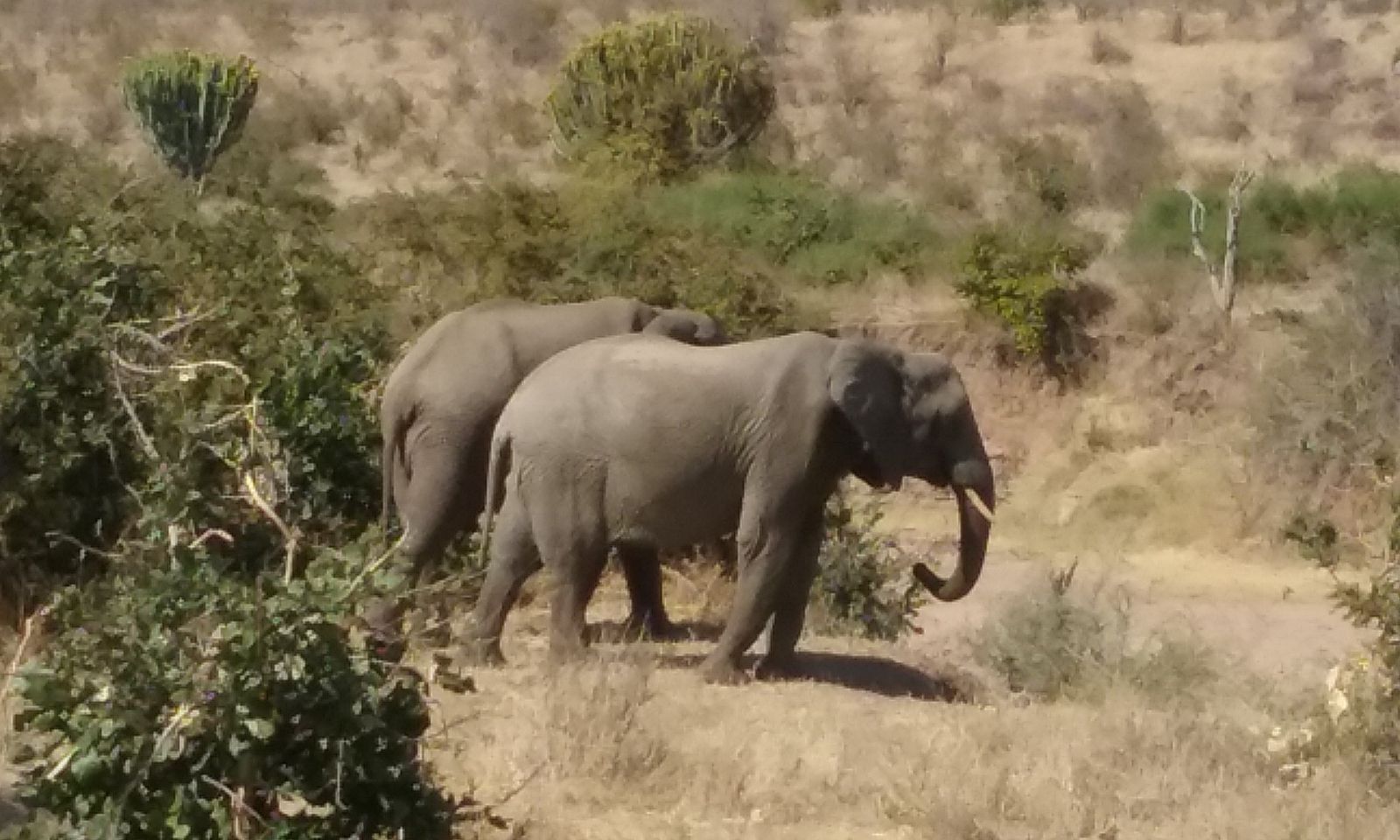
The Two Woodland Types on a Ruaha Safari
Ruaha’s vegetation is not uniform, and the single most useful distinction to grasp is between miombo and acacia. Miombo is the broad-leaved woodland dominated by Brachystegia and related trees that stretches across much of south-central Africa, taller and more closed, with a canopy that filters light. Acacia woodland and the Commiphora bush associated with it is the thorn country of East Africa, more open, drier and lower.
In Ruaha the two meet. Large stretches of miombo lie above the escarpment on the higher ground to the north-west, while the valley below carries acacia, Commiphora and Combretum bush with areas of open savannah. The park spans a considerable elevation range, from around 750 metres in the river valley to about 1,900 metres in the west, and the vegetation shifts accordingly across a Ruaha safari.
Exploring Miombo Woodland on Safari
Miombo has a distinct character on the ground. The trees stand taller and closer than in the thorn country, the canopy shades the floor, and after rain the woodland greens dramatically and the grass grows tall, making it hard to see into. In the dry season it thins and opens out, which is when it can be worked properly by vehicle.
Sightings in miombo come at shorter range and with less warning than in open country, so the driving is slower and more attentive, scanning between trunks rather than across distance. It is quieter, less dramatic country than the riverfront, and many visitors never enter it at all, which is part of its appeal for those who do. The Mdonya area is the best known miombo sector for a Ruaha safari.
Miombo also changes more dramatically between seasons than the thorn country does. After the rains it is dense, green and full of insect life, with the grass standing high enough to hide a lion at a few metres, whereas by September the leaves have thinned, the grass has dropped and you can see a considerable distance between the trunks. That swing is why the same woodland can feel impenetrable on one visit and open on another.
Wildlife of the Miombo on a Ruaha Safari
The reason to go into the miombo is the animals that specialise in it. Sable and roan antelope, two of Africa’s handsomest and least commonly seen antelope, are strongly tied to this woodland, and Ruaha’s miombo stands are where you look for them. Both are genuine specialities that a visitor to the northern Tanzanian parks would not expect to see.
Greater kudu use the woodland too, and the bird life includes species found in miombo and effectively nowhere else in the park, which matters to anyone building a full list. Leopards use the cover. The trade-off is density, since the concentrated game viewing along the river simply produces more sightings per hour, so miombo is for the traveller after particular species rather than volume on a Ruaha safari.
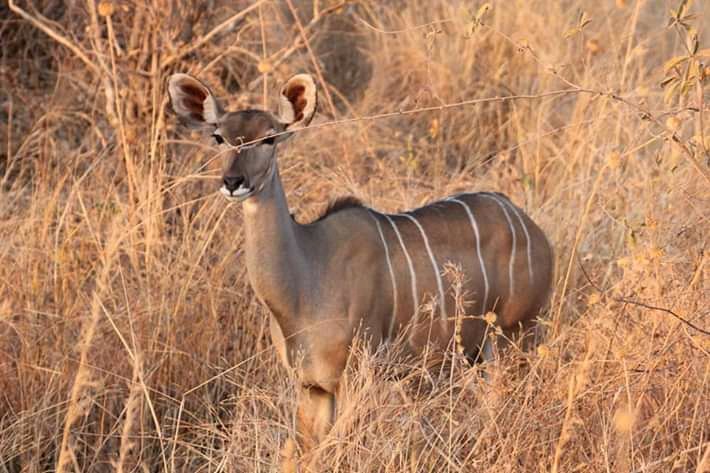
For a first-time visitor with only two or three nights, the honest advice is to prioritise the river country, where the density is highest and the classic sightings most likely. The miombo makes more sense on a longer stay, or for a repeat visitor who already has the lions and elephants and now wants the animals that made them curious about Ruaha in the first place.
Miombo woodland. Higher ground above the escarpment, taller closed canopy, shorter sightlines. Sable and roan antelope, greater kudu, miombo-specialist birds. Fewer vehicles, fewer sightings per hour.
Acacia and Commiphora bush. The valley floor and river country, open and dry with long views. Elephant, buffalo, lion, impala, zebra, giraffe and the heaviest game concentrations in the dry season.
Acacia and Commiphora Country on Safari
The valley below the escarpment is where most of a Ruaha safari happens. Here the dominant vegetation is acacia along with Commiphora and Combretum, low, dry, thorny growth interspersed with open savannah and the baobabs that give the park its distinctive appearance. Along the watercourses a green ribbon of larger trees grows, with fig, tamarind, acacia and doum palm lining the banks.

This is more open country with longer sightlines, and it holds the heaviest concentrations of game, particularly in the dry season when animals draw toward the river. Elephant, buffalo, lion, impala, zebra and giraffe are all creatures of this zone, and the classic images of the park, animals beneath baobabs against a wide sky, come from here rather than the miombo.
Tsetse Flies and What to Wear on Safari
One practical consequence of the woodland worth knowing is tsetse flies, which favour the wooded areas and can be a nuisance during the day. They deliver a sharp bite, and while they are more an irritation than a danger for visitors, they are worth planning around.
The useful piece of knowledge is that tsetse are drawn to dark blue and black, so avoiding those colours in your clothing genuinely reduces the attention you get. Neutral khaki, olive, tan and grey are the right choices, which happens to suit game viewing anyway. A repellent helps, and camps are used to keeping guests comfortable. It is a small consideration rather than a reason to avoid the woodland on a Ruaha safari.
Long sleeves and trousers help as much as colour choice does, and they serve the same purpose against sun and scratches when walking. Tsetse tend to be worse in the wooded sectors and around midday, so a morning drive that returns before the heat builds catches the best of the game viewing and the least of the flies. Guides carry repellent and know which stretches are worst, and they will move on rather than let a sighting be ruined by them.
The Wider Range of Habitats to Explore in Ruaha
Miombo and acacia are the two dominant types but not the whole story, and the park’s full habitat range is part of why its species list runs so long, with something in the order of 1,650 plant species recorded. There is open grassland, the seasonal marsh and floodplain of the Usangu wetlands in the west, riverine forest along the watercourses, and patches of unusual forest on the high ridges of the western plateau.
The rocky hills and the escarpment add their own habitat again, supporting klipspringer and other rock specialists. That variety, layered onto a park already vast, is what allows Ruaha to hold animals from two biogeographic regions at once. A trip that samples more than one habitat sees considerably more than one confined to the riverfront on a Ruaha safari.
The hot springs are a lesser-known feature worth mentioning here, since several occur at the base of the western escarpment, with Mkwawa, Mwayembe, Makinde and Majimoto among the named ones. Because they hold water when the seasonal rivers have failed, they act as dry-season refuges for wildlife, functioning much as the elephant-dug wells do in the sand beds. They are not on standard itineraries, but they are part of how the park’s animals survive its hardest weeks.
Best Time to Explore the Woodlands on Safari
The dry season from June to October is much the better time for the woodlands, and this matters more here than on the open river country. Miombo in particular becomes impenetrable to the eye when it leafs up and the grass grows tall in the rains, whereas in the dry months it thins and opens, making it workable and the antelope findable.
The acacia country dries and thins too, improving visibility further as the season advances. In the green season from November to April both woodland types are beautiful, and the birding is at its peak with migrants in, but the game viewing is considerably harder. For the woodlands and their specialist antelope, come in the dry months on your Ruaha safari.
Frequently Asked Questions
What is miombo woodland?
It is the broad-leaved woodland dominated by Brachystegia and related trees that stretches across much of south-central Africa, taller and more closed than thorn bush, with a canopy that filters light. In Ruaha, large stretches lie above the escarpment on the higher ground, and it holds animals the valley bush does not.
What is the difference between the miombo and acacia zones?
Miombo sits on higher ground above the escarpment, taller and more closed with shorter sightlines, and holds sable, roan, greater kudu and miombo-specialist birds. The acacia and Commiphora bush of the valley below is more open and dry, with longer views, and carries the heaviest concentrations of elephant, buffalo, lion and plains game.
Where do you see sable and roan antelope?
In the miombo woodland, since both species are strongly tied to it, with the Mdonya area the best known sector to look. Neither is common, so both take patience and a guide who knows the woodland. They are genuine Ruaha specialities that visitors to the northern parks would not expect to see.
Are tsetse flies a problem in the woodlands?
They can be a daytime nuisance in the wooded areas, delivering a sharp bite, though they are more an irritation than a danger for visitors. Tsetse are drawn to dark blue and black, so avoiding those colours genuinely reduces the attention you get. Stick to neutral khaki, olive, tan and grey, and use a repellent.
How much does it cost to explore the woodlands?
Exploring different habitats is part of a normal Ruaha safari rather than a separate charge, though reaching the miombo sectors often means a full-day drive with a packed lunch, which some camps price separately. Park entry is currently around 30 US dollars per non-resident adult per 24 hours before 18 percent VAT. Confirm current fees with TANAPA and what your rate covers before you travel.
Plan Your Ruaha Safari
Getting into the miombo for sable and roan, rather than spending every drive on the river, takes a guide who knows the woodland and a day set aside for it. The safari companies and tour operators listed on this website can build a habitat-varied trip across Ruaha so you see the specialist antelope and birds as well as the big game.
Whether the budget is tight or open, the drives, guiding, flights and park bookings are handled in the background so none of the admin lands on you. Want a proper quote, or just a steer on seeing more than the riverfront? Reach out to the operators listed here, and a real person, not a bot, will get back to you.