Kimilamatonge Hill
Kimilamatonge Hill is one of Ruaha’s prominent rocky hills, a granite outcrop rising from the surrounding bush that works as a kopje, sheltering klipspringer and other rock-dwelling wildlife, and offering long views over the park from its summit. Some camps offer a guided hike to the top, usually a four to five hour outing. Ruaha is one of Tanzania’s largest national parks, in the south-central Iringa Region, and the anchor of the country’s quieter southern safari circuit.
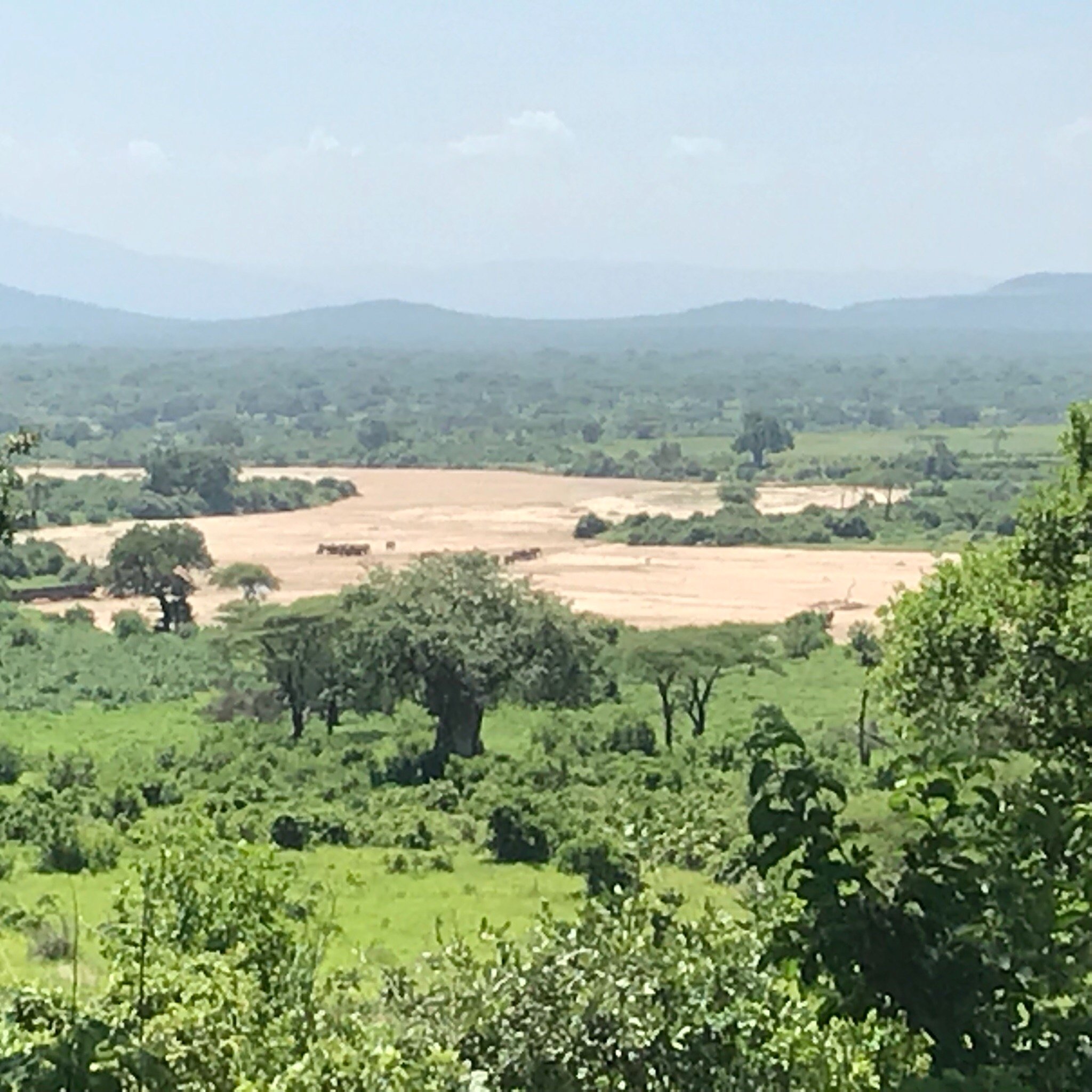
What Kimilamatonge Hill Is on a Ruaha Safari
Kimilamatonge, sometimes written Kilimamatonge, is one of a series of rocky hills scattered across Ruaha, rising out of the bush as a distinct mass of granite. The park holds a number of these, with names like Nyamasombe, Nyanywa, Chariwindwi and Magangwe among them, and the highest ground in the park reaches around 1,600 metres at Ngalambulwa. Kimilamatonge is among the better known and more accessible of them.
These hills are not mountains in any dramatic sense, but they punctuate the flatter country around them and give the park much of its varied character. From a distance they read as dark, rounded masses on the horizon; up close they resolve into piles and sheets of weathered rock with vegetation finding purchase in the cracks. They are a feature worth understanding on a Ruaha safari, since they hold wildlife the plains do not.
Kopjes and Why They Matter on Safari
The technical term for these outcrops is kopje, and they function as habitat islands. The rock creates crevices, caves, shade and drainage lines quite unlike the surrounding savannah, and a distinct set of animals specialises in exploiting them. That is why a hill in a park like Ruaha is not simply scenery but a wildlife destination in its own right.
The classic kopje resident is the klipspringer, a small, compact antelope that moves across near-vertical rock on hoof tips with astonishing sureness, and which is far more likely to be found on a hill like Kimilamatonge than anywhere else in the park. Rock hyrax, lizards, and specialised birds also use the outcrops, while leopards favour the broken ground and elevation for resting and watching. So working a hill on a Ruaha safari adds species a river drive will not.
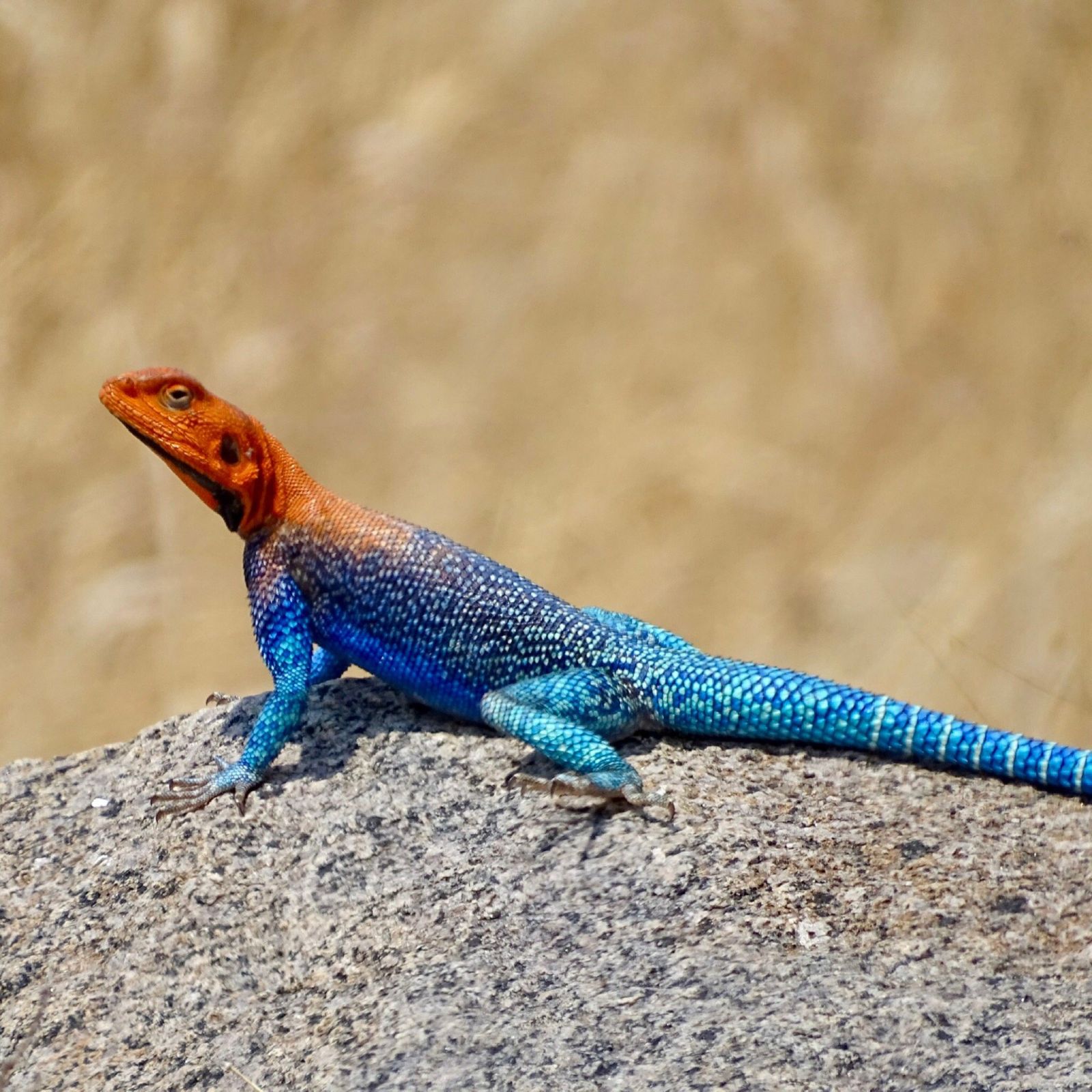
A granite hill in a savannah park is a habitat island. The klipspringer picking its way across sheer rock lives there and nowhere else in Ruaha, which is why the hills reward the detour.
Hiking Kimilamatonge Hill on Safari
What makes Kimilamatonge notable among the park’s hills is that some operators offer a guided hike to the summit, typically described as a four to five hour outing. That is a substantial walk by safari standards and a genuine alternative to a morning of game driving, appealing to travellers who want to be physically active rather than seated in a vehicle.
As with all walking in the park, a hike is done with a guide and an armed ranger, since you are on foot in country with dangerous game, and the usual rules apply: keep together, stay quiet, and follow instructions exactly. The going underfoot is rocky and uneven, so proper closed walking shoes with grip are needed, along with plenty of water, sun protection and an early start to avoid the worst heat. It is one of the more demanding things to do on a Ruaha safari.
Be realistic about fitness and conditions before committing. Four to five hours on uneven granite in African heat is a different proposition from a gentle bush walk on flat ground, and the reward is a view rather than close wildlife, so it suits travellers who enjoy walking for its own sake. Those wanting the most wildlife per hour will do better on a game drive. If the hike appeals but the full outing sounds like too much, ask whether a shorter walk in the rocky country around the base can be arranged instead, which gives some of the same habitat and scenery for less effort.
The View From the Summit on a Ruaha Safari
The reward at the top is perspective, which is something a park this large is otherwise hard to grasp. From the summit the country opens out in every direction, the baobabs reduced to a scattering of small shapes, the drainage lines legible as green threads across the bush, and the sheer scale of the wilderness laid out with no sign of human presence in it.
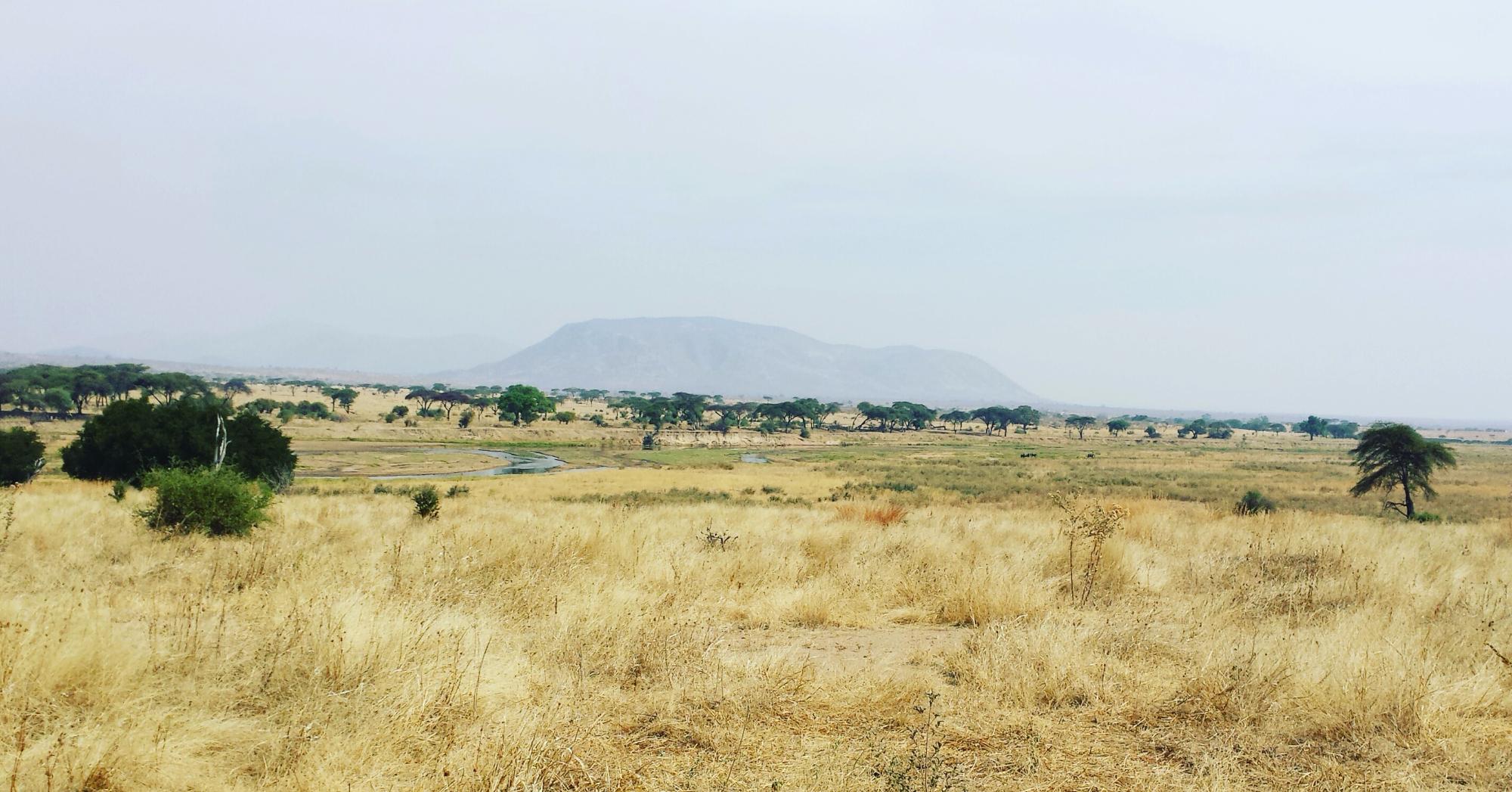
It is a very different way of seeing Ruaha from a game drive, where the view is always at eye level and bounded by vegetation. From a hill you understand how the sand rivers run, how the woodland gives way to open ground, and just how far the park extends. For photographers, the wide scenes from elevation are quite unlike anything shot from a vehicle, and the light in early morning across that country is superb on a Ruaha safari.
The summit is also a good place to grasp how the park’s habitats fit together, which a guide can talk you through while you catch your breath. From height you can see the darker band of miombo woodland giving way to lighter acacia country, the baobabs standing individually across the open ground, and the rocky hills repeating across the horizon in a chain. The relationship between water, vegetation and terrain that determines where the animals are becomes legible in a way that no amount of driving quite achieves. It is the closest thing to reading the park as a map.
Wildlife Watching Around the Hill
Beyond the rock specialists, the ground around a hill like Kimilamatonge holds its own interest. The broken country and the vegetation that gathers where water runs off the rock attract browsers and the predators that follow them, so kudu, impala and other antelope use the fringes, and elephants pass through the surrounding bush.
Leopards deserve a particular mention, since rocky outcrops and broken slopes are among their favoured ground anywhere in Africa, giving them cover, elevation and secure resting places. A guide working the base of a hill will scan the rocks and the trees growing among them for exactly this reason. Birds of prey also use the height, so raptors are often seen soaring around the outcrops on a Ruaha safari.
Fitting a Hill Hike Into Your Safari Itinerary
A hike of four to five hours takes the place of a morning drive, so it needs planning into your days rather than adding on top of them. The sensible approach is to build it into a stay of several nights, so you sacrifice one morning of game driving rather than shortening your wildlife time overall, and to do it early in the trip while you are fresh.
It is worth checking availability in advance, since not every camp offers the hike and it depends on guides, rangers and where you are based in the park. Camps in the central sector are better placed for the accessible hills than those in the remote south. Ask your operator whether a hill hike can be included when they plan your Ruaha safari, rather than assuming it will be on offer when you arrive.
The other consideration is who is travelling with you. A hike of this length suits reasonably fit adults and older children, but it does not work for very young children, anyone with mobility limitations, or a group where only some members want to walk. Camps can sometimes split the party, sending walkers up the hill while others take a game drive, which keeps everyone happy. Raise it early so the guiding and ranger cover can be arranged for both groups on the same morning.
Best Time to Hike Kimilamatonge Hill on Safari
The dry season from June to October is the time for a hill hike, for several reasons. The rock is dry and offers reliable grip, where wet granite is genuinely hazardous, the thin bush improves both visibility and the view from the top, and the cooler mornings of June and July make a strenuous walk far more comfortable.
September and October, while excellent for wildlife, bring real heat that makes a four to five hour climb hard work, so an early start matters most then. In the green season from November to April, rain, slippery rock and tall grass make hiking impractical and most camps will not offer it. For a hill hike, plan for the earlier dry season on your Ruaha safari.
Frequently Asked Questions
What is Kimilamatonge Hill?
It is one of Ruaha’s prominent rocky hills, a granite outcrop rising from the surrounding bush, sometimes written Kilimamatonge. The park holds a number of such hills, with the highest ground reaching around 1,600 metres at Ngalambulwa. Kimilamatonge is among the better known, and some camps offer a guided hike to its summit.
Can you hike Kimilamatonge Hill?
Yes, some operators offer a guided hike to the summit, typically a four to five hour outing. As with all walking in the park it is done with a guide and an armed ranger. Not every camp offers it, so check availability in advance rather than assuming it will be on offer when you arrive.
What wildlife lives on the hills?
Rocky outcrops act as kopjes, supporting a distinct set of animals. The classic resident is the klipspringer, a small antelope that moves across near-vertical rock with great sureness. Rock hyrax, lizards and specialised birds also use them, while leopards favour the broken ground and elevation for resting and watching, and raptors soar around the height.
What should I bring for a hill hike?
Proper closed walking shoes or light boots with good grip, since the going is rocky and uneven, along with plenty of water, a hat, sunglasses and sunscreen. Neutral clothing and long trousers help against sun and scratches. Start early to avoid the worst heat, particularly in September and October when the days are hottest.
How much does a guided hill hike cost?
A hike is a walking activity, so it carries a park walking fee, often in the region of 20 to 40 US dollars per person depending on length, on top of park entry at around 30 dollars per non-resident adult per 24 hours before 18 percent VAT. Some camps include walks in their rate. Confirm current fees with your camp and TANAPA before you travel.
Plan Your Ruaha Safari
A hill hike needs a camp that offers it, a guide and ranger to lead it, and the right season underfoot, so it is worth arranging in advance rather than hoping. The safari companies and tour operators listed on this website can tell you which camps run guided hikes in Ruaha and build one into your days without eating into your wildlife time.
Whether the budget is tight or open, the activities, camp choice, flights and park bookings are handled in the background so none of the admin lands on you. Want a proper quote, or just a steer on adding a hike to your trip? Reach out to the operators listed here, and a real person, not a bot, will get back to you.