Guided Walking Safari in Ruaha National Park
A guided walking safari in Ruaha National Park takes you into the bush on foot with an armed ranger and guide, trading big vehicle sightings for the small details of the wilderness: tracks, plants, insects and the thrill of sharing the ground with wildlife. It is one of the park’s most rewarding and hands-on activities. Ruaha is one of Tanzania’s largest national parks, in the south-central Iringa Region, and the anchor of the country’s quieter southern safari circuit.
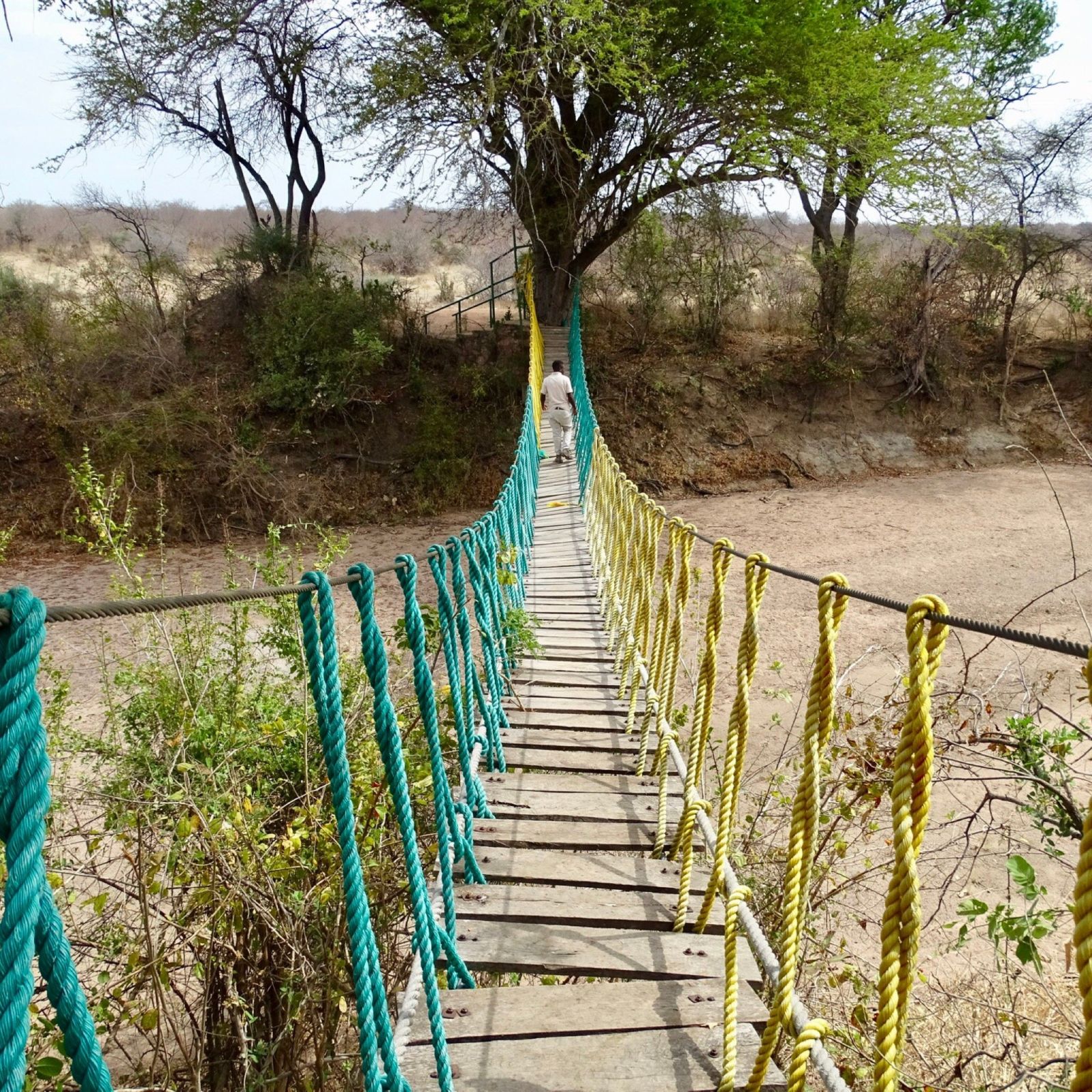
What a Guided Walking Safari in Ruaha Involves
A walking safari swaps the vehicle for your own two feet, letting you experience the bush at ground level. Led by an armed ranger and an expert guide, a small group sets out on foot, usually in the cool of the early morning, to explore the country slowly and quietly. Rather than covering distance to reach big animals, the walk is about the details a vehicle rushes past, the tracks in the sand, the medicinal use of a plant, the workings of a termite mound, the birds and insects, and the simple, sharpened awareness that comes from being on foot in wild country. It is a slower, more intimate way to know Ruaha.
The pace is unhurried and the focus is on understanding rather than ticking off species. You might spend time reading a set of lion tracks, examining dung to learn what passed by, or approaching plains game on foot for a very different kind of sighting. A walking safari changes your whole relationship with the park, and for many people it is the highlight of a Ruaha safari, precisely because it is so different from the drives.
There is also a mental shift that comes with walking. In a vehicle you are a spectator, slightly removed from the scene, but on foot you are a participant, alert and present in a way that is hard to describe until you have done it. The knowledge that you are sharing the ground with the same animals you watched from the car the day before sharpens every sense, and a giraffe seen at eye level across the grass, or a fresh lion print in the dust of the path, carries a weight it never would from a seat. Guests often come back from a walk quieter and more thoughtful than from a drive, having felt the wilderness rather than simply looked at it.
Why Walk Instead of Drive on Safari
Driving covers ground and finds big animals, but walking gives you something a vehicle never can: the feeling of truly being in the wilderness rather than passing through it. On foot, your senses sharpen, you hear and smell the bush, and the scale shifts from the grand to the intimate. A walking safari reconnects you with the small workings of the ecosystem that a drive skims over, and it carries a genuine edge of adventure, since you are sharing the ground with the wildlife on equal terms. For travellers who have done plenty of game drives, walking is often the experience that stays with them longest, because it feels so immediate and real.
Your Armed Ranger and Walking Safari Safety
Safety is built into every walking safari, and the rules exist for good reason. A walk is always led by an armed ranger, with an experienced guide, and the group walks in single file, stays quiet, and does exactly as instructed. You keep together, move calmly, and follow the guide’s lead on how to behave around any animals you meet. These measures are what make walking safe in a park with dangerous game, and incidents are rare precisely because the protocols are taken seriously. Before setting out, you get a full briefing on the rules, and following them is the key. Done properly, a walking safari in Ruaha is both safe and deeply rewarding.
On a drive you watch the wilderness. On foot, with an armed ranger reading the ground ahead, you become part of it, and the smallest track in the sand suddenly matters.
What You See on a Walking Safari
A walking safari reveals the park’s fine print. Instead of the big set-piece sightings of a drive, you learn to read the signs: fresh tracks that tell you what came through and when, the alarm calls that signal a predator nearby, the plants and their uses, and the small creatures, the insects, reptiles and birds, that a vehicle drives straight past. You may also approach plains game like impala, giraffe or zebra on foot, which feels entirely different from watching them from a vehicle. Meeting these animals at ground level, aware of you as you are of them, is a quietly powerful experience. On a walking safari, the reward is understanding as much as sighting.
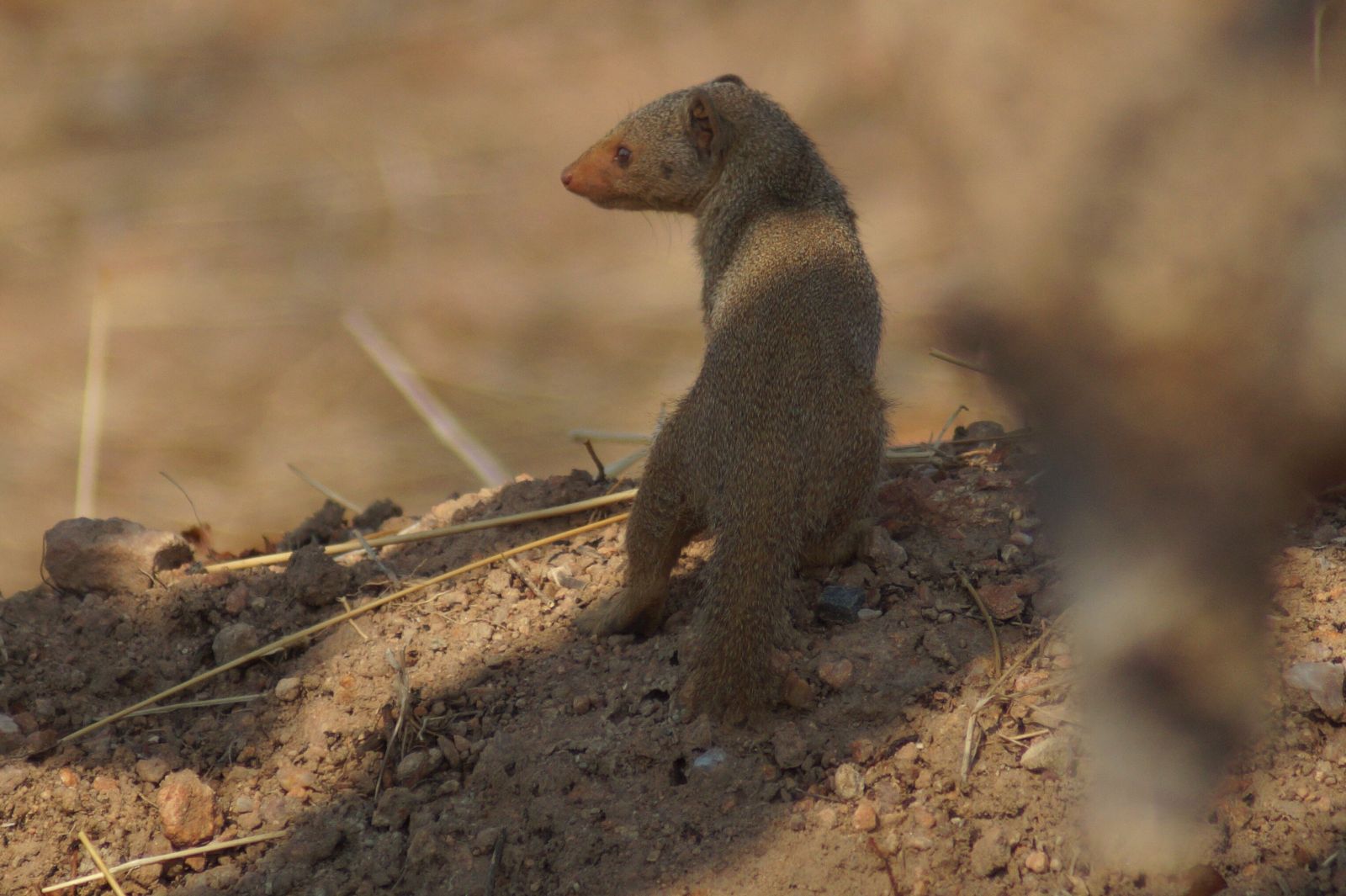
A good walking guide is really a teacher of the bush. They will crouch to show you the difference between the tracks of a hyena and a wild dog, explain how a particular acacia defends itself, point out which plants the local communities use for medicine, and read a patch of flattened grass to tell you what rested there overnight. Dung beetles rolling their prize, a spider’s web strung with dew, the architecture of a weaver’s nest, all become subjects worth stopping for. It is this shift of scale, from scanning the horizon for big game to kneeling over the small workings of the ecosystem, that gives a walk its lasting value and sends you back to the vehicle seeing the whole park differently.
The Best Areas and Camps for Walking Safaris
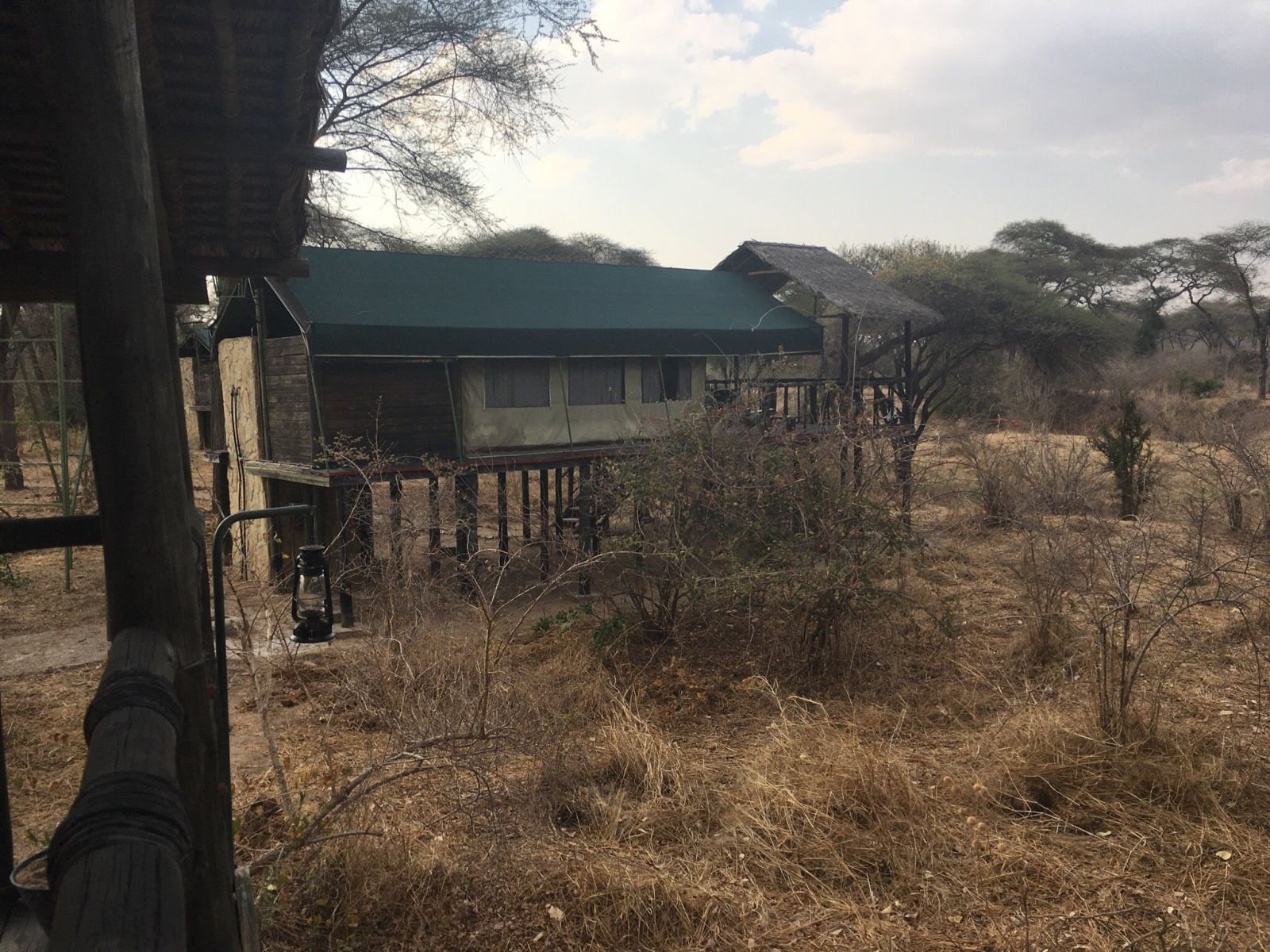
Ruaha is well suited to walking, and several camps build real programmes around it. Some camps specialise in walking safaris, with guides who are experts at interpreting the bush on foot and itineraries designed around walking rather than driving. The sand rivers, riverine strips and open country all make good walking terrain, and a specialist camp will know the best areas for a safe, productive walk. If getting out on foot is a priority for your Ruaha safari, it is worth asking your operator to place you at a camp known for its walking, since the quality of the guiding and the design of the walks vary from camp to camp.
What to Wear and Bring on a Walking Safari
Walking calls for practical kit. Wear neutral, muted colours that blend into the bush, avoiding bright shades and the dark blue and black that attract tsetse flies, and choose sturdy closed walking shoes or light boots with good grip, broken in before the trip. Long trousers and long sleeves protect against sun, scratches and insects. Bring a hat, sunglasses, sunscreen, insect repellent and water, along with binoculars and a camera in a small daypack. Because you are on foot in the sun, sun protection and enough water matter more than on a drive. Dressing sensibly and travelling light makes a walking safari comfortable and lets you focus on the bush.
Who a Guided Walking Safari Suits
Walking safaris suit travellers who want a more active, hands-on experience and are reasonably mobile, since the terrain is uneven and you cover real distance on foot. They are ideal for repeat safari-goers who already have the big sightings and want something deeper, for keen naturalists who relish the detail, and for anyone drawn to a bit of adventure. They are less suited to very young children, who often cannot join for safety reasons, or to those with limited mobility. If a slow, close-up, on-foot experience appeals, and you are up for a morning’s walking, a guided walking safari is one of the best things to do in Ruaha.
Best Time of Year for a Walking Safari in Ruaha
The dry season from June to October is the best time to walk, with firm ground, thinner bush that improves visibility, and comfortable cool mornings for setting out. The lower grass of the dry months also makes it easier to see and read the country on foot. In the green season from November to April, tall grass, wet ground and the odd storm make walking harder and some camps close, so the dry season is the reliable choice. Early morning is the ideal time of day whenever you go, before the heat builds. For a safe, rewarding walking safari, plan for the dry months and an early start.
Frequently Asked Questions
What is a walking safari in Ruaha like?
It is a slow, quiet exploration of the bush on foot, led by an armed ranger and guide, usually in the cool early morning. Rather than chasing big animals, you focus on the details: tracks, plants, insects, birds and the workings of the ecosystem, along with the chance to approach plains game on foot. It is an intimate, close-up way to experience the park.
Is a walking safari safe?
Yes, when done properly, and it is always led by an armed ranger. You walk in single file, stay quiet, keep together and follow the guide’s instructions, since you are on foot in a park with dangerous game. A full briefing precedes the walk, and incidents are rare because the protocols are taken seriously. Following the rules is the key to a safe outing.
Do you see big animals on a walking safari?
Sometimes, though that is not the main point. You may approach plains game like impala, giraffe or zebra on foot, and you might come across larger animals at a distance, which the guide manages carefully. The real focus is the smaller detail: tracks, plants, insects and the signs that tell the story of the bush. It is about understanding as much as spotting.
Are children allowed on walking safaris?
Usually there is a minimum age for safety reasons, so very young children often cannot join a walking safari, though the exact age varies by camp. Families with older children may be able to walk together. Check the age limit with your camp or operator when booking if a walking safari is part of your plan.
How much does a walking safari cost?
Walking safaris carry a park activity fee, often in the region of 20 to 40 US dollars per person depending on the length of the walk, on top of park entry, currently around 30 dollars per non-resident adult per 24 hours before 18 percent VAT. Some camps include walks in their rate. Confirm current fees with your camp and TANAPA before you travel.
Plan Your Ruaha Safari
Getting a great walking safari comes down to the quality of the guiding and being based at a camp that does walking well, and that is exactly where a good operator helps. The safari companies and tour operators listed on this website know which camps run the strongest walking programmes in Ruaha, and they can place you where the guiding and the terrain make for a safe, rewarding walk.
Whether the budget is tight or open, the camp choice, activities, flights and park bookings are handled in the background so none of the admin lands on you. Want a proper quote, or just a steer on the best camps for walking? Reach out to the operators listed here, and a real person, not a bot, will get back to you.