Baobab Landscapes in Ruaha National Park
Touring Ruaha’s baobab country means drives built around scenery rather than sightings, working the light at dawn and dusk, finding the trees that frame a picture, and stopping for sundowners beneath them. It is the park’s most photographed feature and a rewarding way to spend a drive when the animals are quiet. Ruaha is one of Tanzania’s largest national parks, in the south-central Iringa Region, and the anchor of the country’s quieter southern safari circuit.
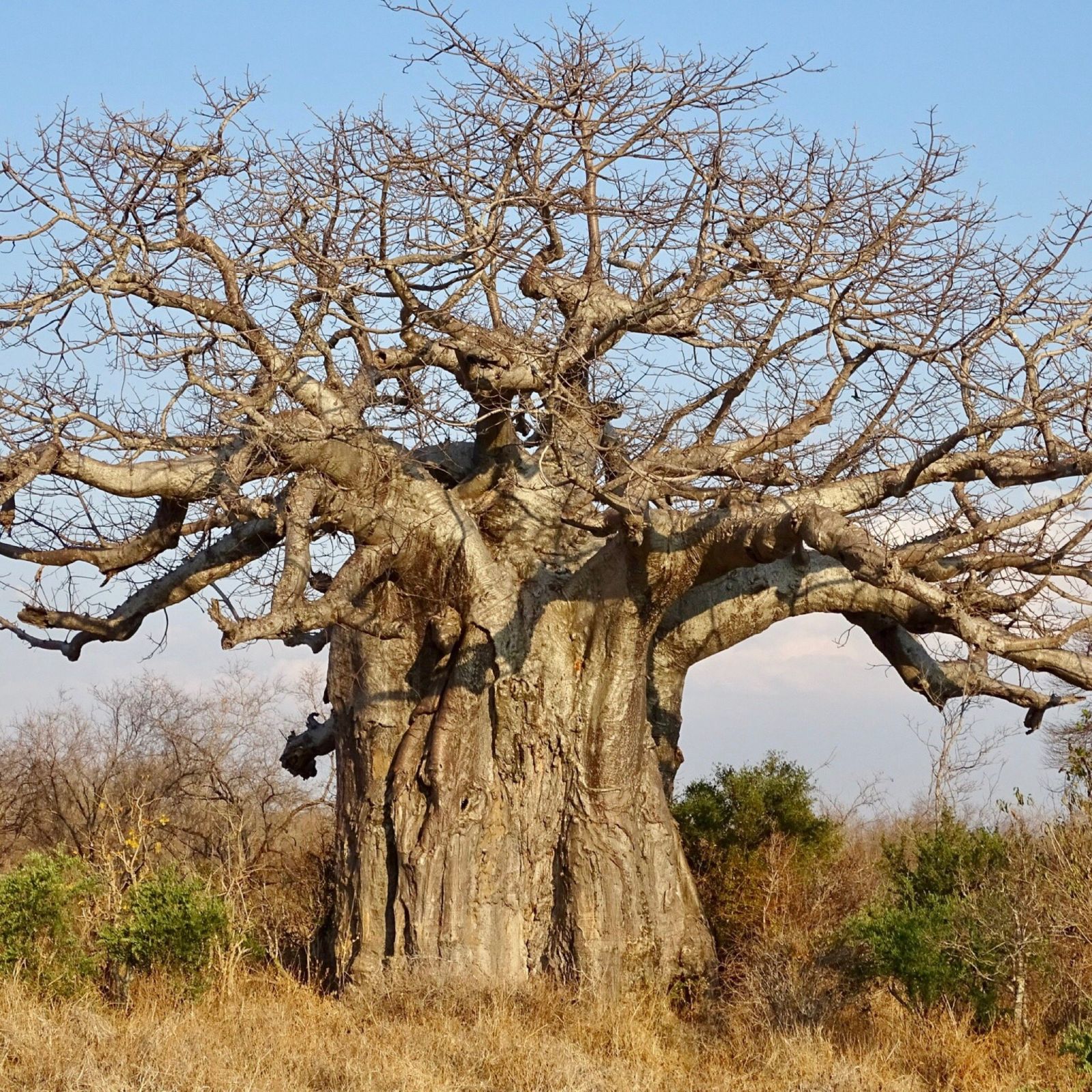
Scenic Drives Through Baobab Country on Safari
Most game drives are organised around animals, working the river and the sand beds where wildlife concentrates. A scenery-led drive is organised differently, around terrain and light, and in Ruaha that means the open plains where the baobabs stand. It is a legitimate way to spend a morning or an evening, particularly on a longer stay when you have the big sightings behind you.
The practical difference is where you go and when you stop. Rather than pressing toward the river, you work the open ground back from it where individual trees stand clear of other vegetation, and you stop for compositions rather than for animals. Guides are entirely used to this once you explain it, and a scenery drive often turns up wildlife anyway on a Ruaha safari.
Say it explicitly at the start of the drive rather than hoping the guide infers it, because the default assumption in any vehicle is that guests want animals and want them quickly. A guide told plainly that you would rather spend twenty minutes composing a shot of a tree than chase a report of lions two valleys away will plan the outing quite differently, and everybody has a better time for the clarity.
Working the Light on a Baobab Safari
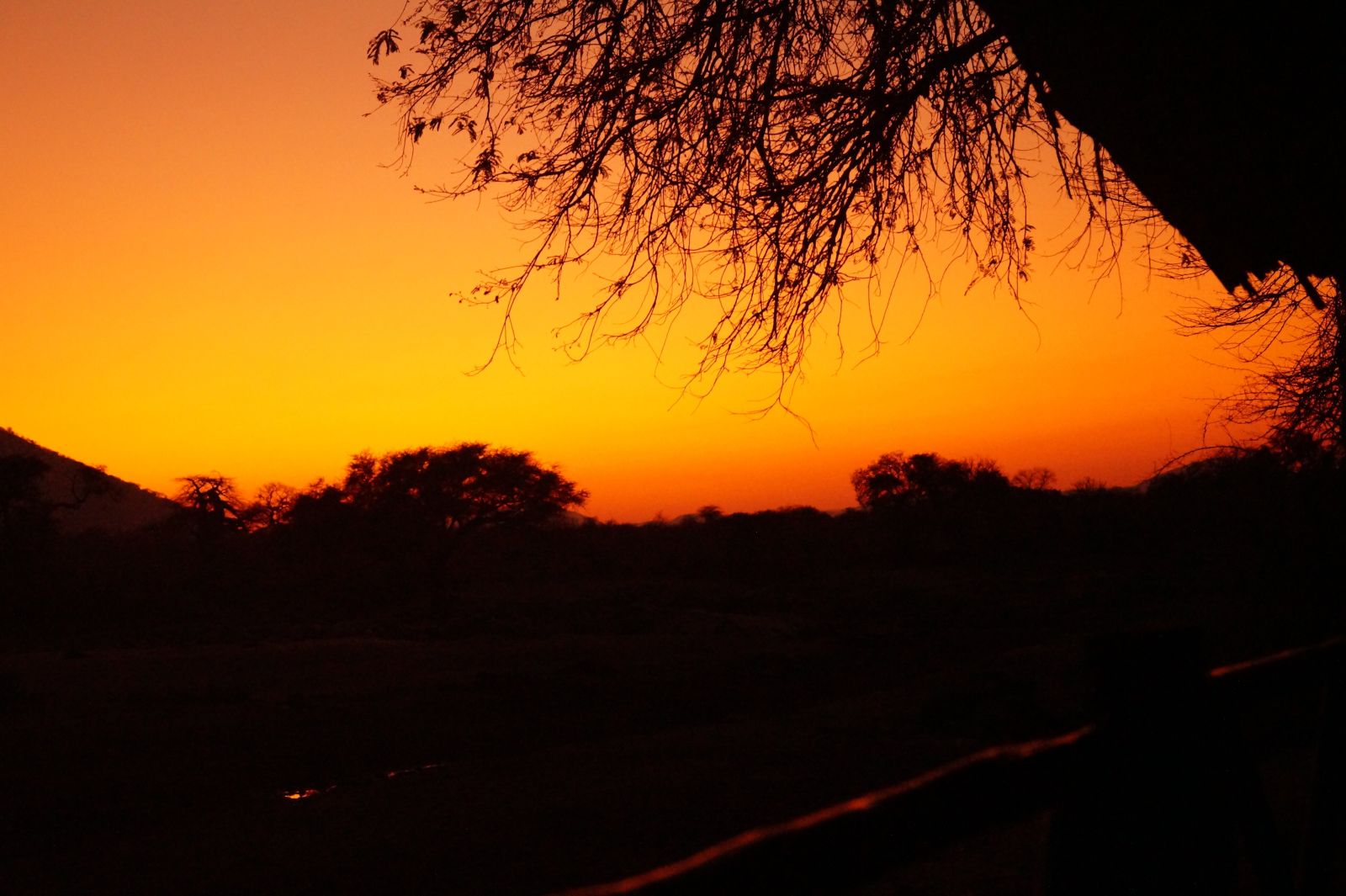
Light is what makes this kind of drive succeed or fail. The trees photograph best in the first and last hour of daylight, when low sun rakes across the plains and the trunks catch warm colour against a darker sky, and they photograph worst in the flat overhead light of the middle of the day.
So a baobab-focused outing means an early start or a late finish, exactly as a wildlife drive does. The half hour before sunrise and the twenty minutes of afterglow following sunset are both worth staying out for, since the sky often carries better colour then than at the moment the sun crosses the horizon. Plan the drive around those windows rather than hoping to catch them on a Ruaha safari.
Ask your guide which trees photograph best and where they sit relative to the sun. They know, and it saves you from driving past the right tree in the wrong light.
Composing Photographs of the Baobabs
A baobab alone in a frame can read as merely odd, and the fix is almost always scale. Put an elephant, a vehicle or a person at the base and the same tree suddenly reads as enormous, which is the impression you are trying to convey. Waiting for game to move into frame beneath a tree takes patience but produces the pictures people stop at.
Shooting into the light gives the graphic silhouette most associated with the park, and it needs almost no technical skill beyond exposing for the sky. A wide lens serves better than a long one here. Watch what is behind the tree, since a clean horizon makes the picture and a cluttered one spoils it, and the low angle an open vehicle allows generally beats standing up on a Ruaha safari.
Sundowners Beneath a Baobab on Safari
The most enjoyable version of a scenery drive finishes with a sundowner under a good tree. Guides pick a spot with clear sightlines and no thick cover close by, set out drinks and snacks, and you stand on the ground watching the sun drop with the tree going black above you. It is the park’s signature moment and the one most guests describe first when they get home.
Because the stop is short and the light is going, have the camera ready before you get out rather than fumbling for it. Guides keep watch throughout, and the stop is usually kept to twenty or thirty minutes so you are back before full dark, since driving after dark is not permitted unless your camp holds a night drive permit on a Ruaha safari.
Baobab Country Through the Safari Seasons
The season changes the character of this drive completely. From June to October the trees stand bare-branched against pale bleached grass and hard blue sky, which is the stark classic look most people picture, and dust in the air often deepens the colour at sunset.
From November to April the trees come into leaf and the plains turn green beneath them, with towering storm cloud building in the afternoons and light breaking through it, which many photographers prefer for colour and drama. Flowering brings large white blooms that open at night. Neither season is better; they simply give you different pictures on a Ruaha safari.
Viewing the Plains From Higher Ground on Safari
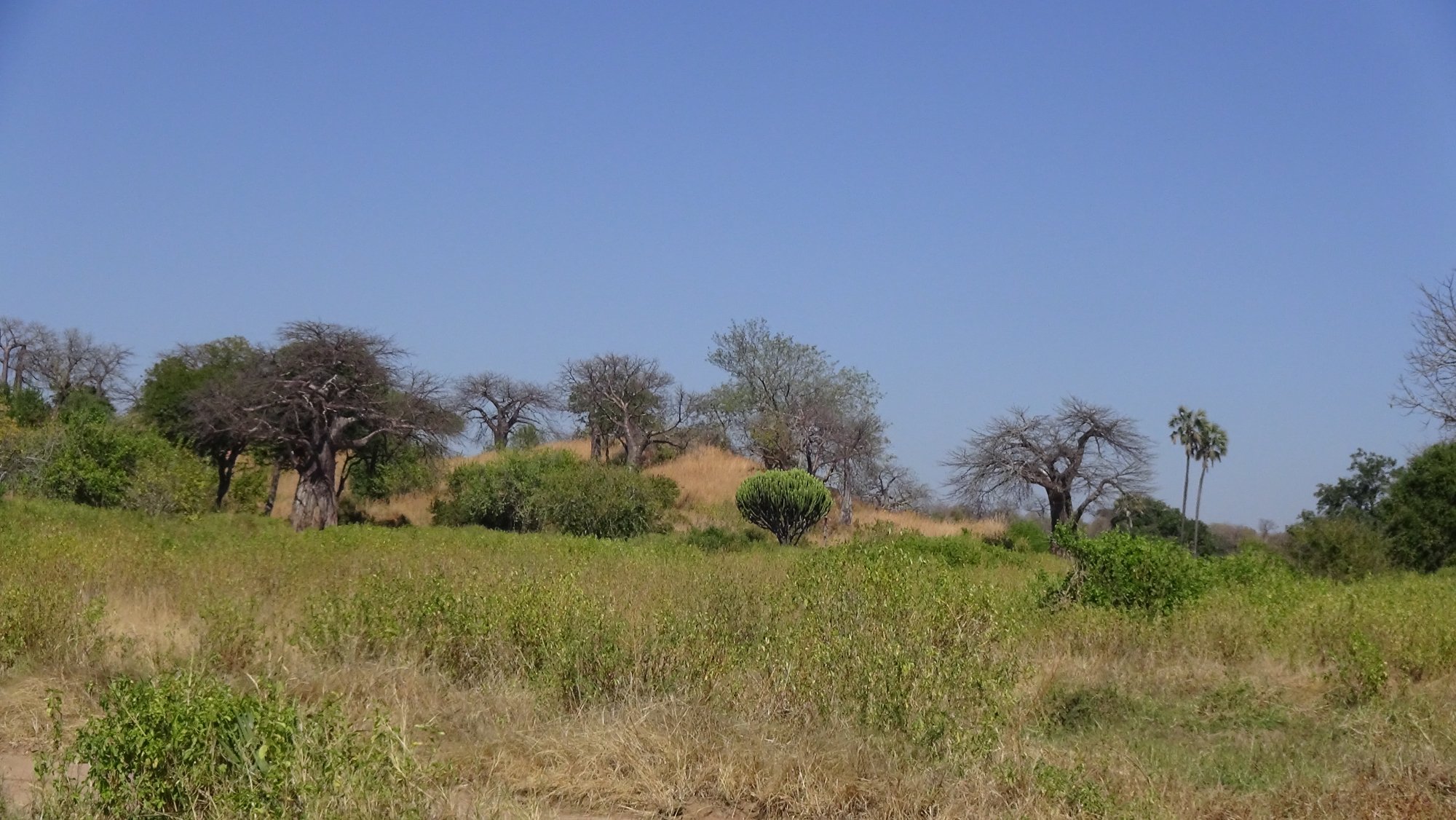
Driving among the trees conveys their size, but it does not convey how they are distributed, and for that you want elevation. From the escarpment or the summit of one of the park’s rocky hills you look out over the plains and see the baobabs scattered across the country below, which gives a quite different and arguably more powerful sense of the place.
Camps set on the escarpment enjoy this outlook permanently, so a stay at one gives you the wide view at every sunrise and sunset without going anywhere. A guided hill hike, where offered, gets you higher still. Combining a drive among the trees with a view over them from above is the fullest way to see this country on a Ruaha safari.
Combining Scenery and Wildlife on One Drive
In practice you rarely have to choose. The baobab plains carry elephant herds, buffalo, zebra, impala and giraffe, and cheetah favour the open ground because they need room to run, so a scenery-led drive frequently delivers sightings as a bonus. Lions work the routes prey takes toward water across the same country.
The sensible arrangement on a stay of several nights is to keep the prime early mornings for wildlife along the river and give one evening drive over to scenery and a sundowner, which costs you very little game viewing and gives you the pictures you actually want to hang on a wall. Tell your guide the plan early in the trip so the days can be shaped around it on a Ruaha safari.
If you are travelling with people whose priorities differ from yours, this compromise usually keeps everyone content, since the wildlife-focused guests get the productive dawn drives and the photographers get the evening light. Where the split is sharper, a private vehicle for one outing solves it outright and costs less than a whole trip of private guiding.
Best Time for a Baobab Scenery Safari in Ruaha
For the classic bare-tree look with concentrated wildlife alongside, come in the dry season from June to October, when the game viewing is at its peak and the skies are reliably clear for sunsets. October adds heavy dust that can produce superb colour late in the day.
For green country, leafed trees and dramatic storm light, come in the green season from November to April and accept dispersed game and the occasional washed-out afternoon. Photographers and repeat visitors tend to argue for the green months, while first-timers are better served by the dry season, when the wildlife justifies the trip and the scenery comes as part of it on a Ruaha safari.
If you have any flexibility at all, the very end of the dry season into the first rains is an interesting window, because you can catch bare trees and concentrated game one week and the first towering storm clouds building the next. Skies at that turn of the season are often the most dramatic of the year, with hard sunlight beneath heavy cloud, and the trees begin to leaf as the rain arrives. It is a gamble on the weather, but the pictures can be the best of any month.
Frequently Asked Questions
Can you do a drive focused on scenery rather than animals?
Yes, and guides are entirely used to it once you explain what you want. Rather than pressing toward the river, you work the open ground where individual trees stand clear of other vegetation, stopping for compositions rather than sightings. Such drives frequently turn up wildlife anyway, since the plains carry plenty of game.
When do the baobabs photograph best?
In the first and last hour of daylight, when low sun rakes across the plains and the trunks catch warm colour. Midday overhead light is flat and unflattering. The half hour before sunrise and the twenty minutes of afterglow after sunset are both worth staying out for, since the sky often carries better colour then.
How do I make a baobab photograph work?
Include something for scale, since a tree alone can read as merely odd while the same tree with an elephant, vehicle or person at its base reads as enormous. Shooting into the light gives the classic silhouette. Use a wide lens rather than a long one, watch for a clean horizon behind, and shoot low from an open vehicle.
Can you have a sundowner under a baobab?
Yes, and it is the classic Ruaha version of the ritual. Guides pick a spot with clear sightlines and no close cover, set out drinks and snacks, and you watch the sun drop with the tree going dark above. The stop is usually kept to twenty or thirty minutes so you are back before full dark.
How much does a scenery drive cost?
A scenery-led drive is simply a game drive with a different emphasis, so it carries no separate fee. Park entry is currently around 30 US dollars per non-resident adult per 24 hours before 18 percent VAT. A private vehicle, which gives you full control over timing and stops, carries a premium worth considering if photography is your priority. Confirm current fees with TANAPA before you travel.
Plan Your Ruaha Safari
Getting the pictures you came for depends on being at the right tree in the right light with a guide who does not mind stopping for scenery, which is worth setting up in advance. The safari companies and tour operators listed on this website can arrange photography-minded drives across Ruaha’s baobab country and advise on camps with the best outlooks.
Whether the budget is tight or open, the drives, vehicles, flights and park bookings are handled in the background so none of the admin lands on you. Want a proper quote, or just a steer on a photography-focused trip? Reach out to the operators listed here, and a real person, not a bot, will get back to you.