Photography Safari in Ruaha National Park
A photography safari in Ruaha National Park builds the day around light and patience rather than covering ground, working the golden hours at the river, waiting out sightings, and using the park’s baobab country and big skies for scenes no other Tanzanian park offers. Empty roads mean clean, uninterrupted compositions. Ruaha is one of Tanzania’s largest national parks, in the south-central Iringa Region, and a superb photography destination on the southern safari circuit.
What a Photography Safari in Ruaha Involves
A photography safari differs from a general game drive in priorities rather than logistics. The aim is not to see the most animals but to come away with the best images, which changes almost everything: you leave earlier to catch first light, you stay longer at a single sighting waiting for the moment, and you position the vehicle for the sun rather than the closest view.
That approach requires a guide who understands photography, so tell your camp in advance. A guide who thinks photographically will angle the vehicle so the light falls right, cut the engine to kill vibration, and hold position when a lesser guide would move on. On a Ruaha safari, this shift in emphasis is what separates a holiday snapshot from a photograph worth printing.
It also changes how you measure a good day. On a general drive, guests count species and tick off the big animals, whereas a photographer might spend three hours with a single pride and consider the morning a success because the light and the behaviour finally came together for thirty seconds. That patience can frustrate travelling companions who want to keep moving, which is worth thinking about when booking. If your group mixes photographers and general game-viewers, a private vehicle or separate outings often keep everyone happy rather than forcing a compromise that suits neither.
Why Ruaha Suits a Photography Safari
Ruaha offers photographers something the northern parks struggle to match: solitude. With so few vehicles in a park larger than the Serengeti, you rarely share a sighting, which means no other vehicle in your frame and no pressure to move on. You can work a scene properly, waiting for the composition you want rather than settling for whatever the crowd allows.
The country itself is unusually photogenic. Ancient baobabs give a structure and scale that open plains lack, the rocky outcrops and escarpment add depth, and the river provides both water reflections and reliable animal gatherings. Add big predators, large elephant herds and dramatic light, and a photography safari here has more raw material than most parks can offer.
Working the Golden Hours on a Photography Safari
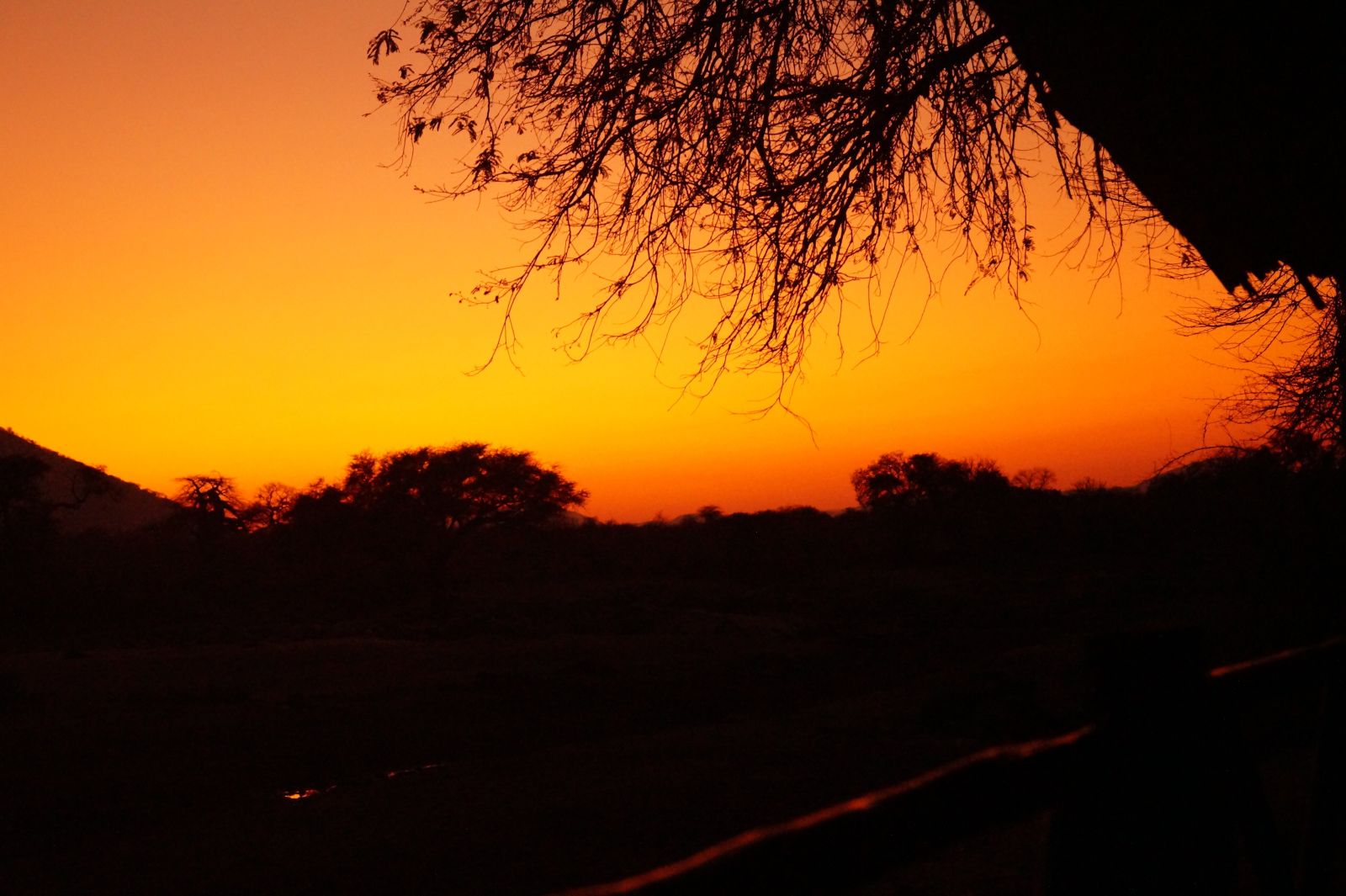
Light is the whole game, and Ruaha’s best falls in the first and last hour of daylight. Early morning gives soft, warm, low light with long shadows and often a little mist over the river, while the late afternoon builds through the golden hour into rich colour at sunset. Conveniently, these are also the hours when the wildlife is most active, so light and subject align.
The middle of the day is harsh, with flat overhead light and heavy contrast that flatters nothing. Most photographers use it as the animals do, resting, reviewing images and cleaning gear, then heading out again in the afternoon. If your camp offers a night drive, that adds another dimension, though low light makes photography hard. Building the day around the golden hours is the single most useful decision on a photography safari.
In a park this empty, no other vehicle intrudes on your frame and nobody is waiting for you to move on. That freedom to work a sighting until the light and the moment align is what photographers come to Ruaha for.
Composition and Subjects Across the Park
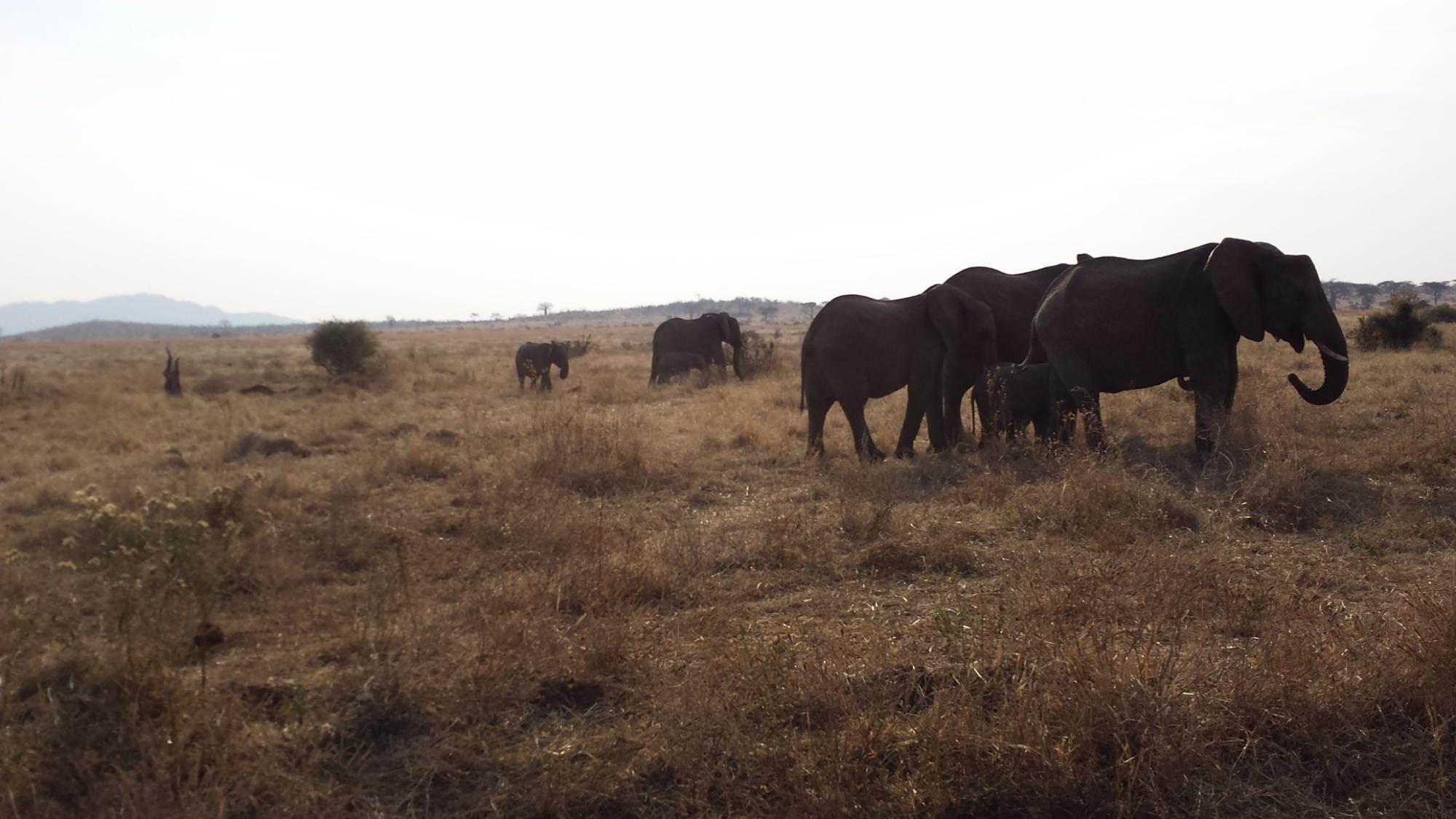
Ruaha rewards variety in composition. The obvious approach is the tight wildlife portrait with a long lens, which the relaxed lions and close elephant sightings make easy. Less obvious, and often more striking, is the wide environmental shot placing a small animal against the vastness of baobab country, which tells the story of the park far better than a frame-filling head.
Look for behaviour rather than poses. An elephant digging in the sand, a lion cub climbing on an adult, a pride yawning awake at dusk, hippos jostling in a shrinking pool: these carry an image. Watch backgrounds closely, since a clean backdrop makes a portrait and a cluttered one ruins it, and use the low angle an open vehicle allows to shoot near eye level with your subject on a Ruaha safari.
The baobabs offer compositional possibilities worth planning for deliberately. Their scale means a single tree can anchor a frame with an elephant beneath it for size comparison, and their strange, thick silhouettes work beautifully against a sunrise or sunset sky. Shooting into the light with a baobab in the foreground produces the kind of graphic, high-contrast image that says Ruaha rather than generic African bush. Guides know the individual trees that photograph best and where they sit relative to the sun at different times of day, so it is worth asking rather than hoping to stumble on the right one.
Vehicles and Camps for a Photography Safari
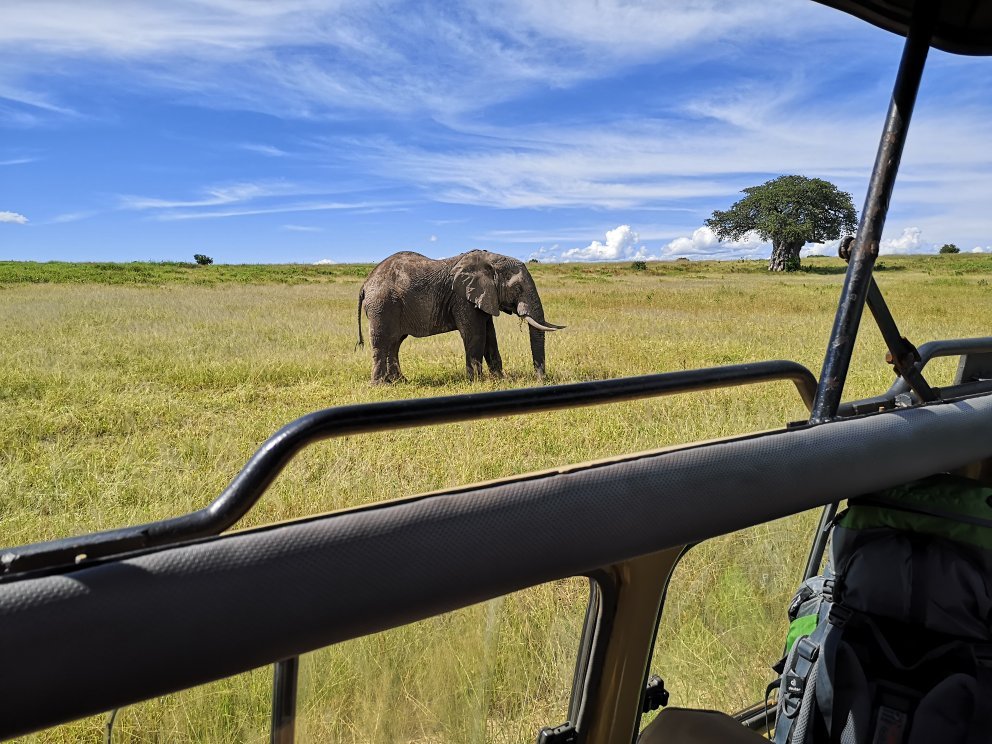
The vehicle matters enormously. An open-sided game viewer beats an enclosed pop-top for photography, since there is no window frame or glass in the way and you can swing a lens in any direction. Fewer guests per vehicle means everyone gets a clear line and nobody is shooting past a neighbour’s head, so ask about occupancy when booking.
Some camps go further, offering vehicles set up for photographers with beanbags, charging points, and the option of a private vehicle so you control the day entirely. A private vehicle costs more but pays for itself if photography is the point of the trip, since you decide when to leave, where to wait and how long to stay. It is worth asking your operator which camps cater to photographers on a photography safari.
Seat position within the vehicle is a smaller detail that matters over a week. The back row sits highest and gives the cleanest view over the heads in front, while the row behind the driver is closest to the action and best for low-angle work. Some groups rotate seats each drive so nobody is stuck in the worst spot, which is a fair arrangement worth suggesting on day one. If you are travelling alone and photography matters, asking to be seated with other photographers rather than a family group generally makes for a smoother, quieter vehicle.
Handling Dust and Protecting Gear on Safari
Dust is the practical enemy in Ruaha, especially from August onward when the tracks turn to powder. It gets into everything, and a dusty sensor means hours of retouching later. Keep lens changes to an absolute minimum, and when you must swap, do it out of the wind with the camera pointed down. A versatile zoom that stays on the body is the simplest defence.
Bring a sealable bag or dust cover for the vehicle, a blower and a microfibre cloth, and clean gear during the midday break rather than in the field. Charging can be limited at remote camps running on solar with set hours, so carry several spare batteries and plenty of memory. These small habits protect a trip’s worth of images on a Ruaha safari.
Best Time of Year for a Photography Safari in Ruaha
The dry season from June to October is the easiest and most reliable for photography. Thin bush means clear sightlines, concentrated wildlife means more subjects, and clear skies give predictable light. The trade-off is dust and, from September, harsh heat, along with a bleached, dry palette that some photographers find monotonous.
The green season from November to April offers the opposite: dramatic storm light, green country, dark skies behind sunlit animals, newborn game and the best birding, but dispersed wildlife, tall grass obscuring subjects and softer ground. Many photographers rate the green season for atmosphere and the dry season for sheer productivity. For a first photographic trip, the dry months are the safer bet on a photography safari.
Frequently Asked Questions
What makes Ruaha good for photography?
Mainly solitude and scenery. With few vehicles in a park larger than the Serengeti, you rarely share a sighting, so no other vehicle appears in your frame and nobody pressures you to move on. The baobab country, rocky outcrops and river give unusual compositions, and the big predators and elephant herds provide strong subjects.
Do I need a private vehicle for a photography safari?
Not necessarily, but it helps a great deal if photography is the point of the trip. A private vehicle lets you decide when to leave, where to wait and how long to stay at a sighting, which is exactly what photography needs. At minimum, ask for an open-sided game viewer with few guests so everyone has a clear line.
When is the best light in Ruaha?
The first and last hour of daylight. Early morning gives soft, low light with long shadows and sometimes mist over the river, and the late afternoon builds through the golden hour to sunset. These are also the hours when wildlife is most active. Midday light is harsh and flat, so most photographers rest then.
How do I protect my camera from dust?
Keep lens changes to a minimum and do them out of the wind with the camera pointed down, since a dusty sensor means hours of retouching. Bring a sealable bag or dust cover, a blower and a cloth, and clean gear during the midday break. A versatile zoom that stays on the body is the simplest protection.
How much does a photography safari cost?
Photography happens on standard game drives, so the base cost is that of any Ruaha safari, but a private vehicle or specialist photographic guiding carries a premium, often several hundred US dollars per day. Park entry is currently around 30 dollars per non-resident adult per 24 hours before 18 percent VAT. Confirm current fees with your operator and TANAPA before you travel.
Plan Your Ruaha Safari
A photographic trip lives or dies on the vehicle, the guide and the freedom to work a sighting on your own schedule, so it pays to arrange it with people who understand that. The safari companies and tour operators listed on this website can put you in an open game viewer with a guide who thinks photographically, and advise on camps that cater to photographers.
Whether the budget is tight or open, the vehicles, guiding, flights and park bookings are handled in the background so none of the admin lands on you. Want a proper quote, or just a steer on a photography-focused trip? Reach out to the operators listed here, and a real person, not a bot, will get back to you.