Sunrise Safari in Ruaha National Park
A sunrise safari in Ruaha National Park means leaving camp in the dark to be out as first light breaks over the bush, catching the coldest, quietest hour when predators are still moving and the park wakes around you. It is the most atmospheric outing of the day and often the most productive. Ruaha is one of Tanzania’s largest national parks, in the south-central Iringa Region, and the anchor of the country’s quieter southern safari circuit.
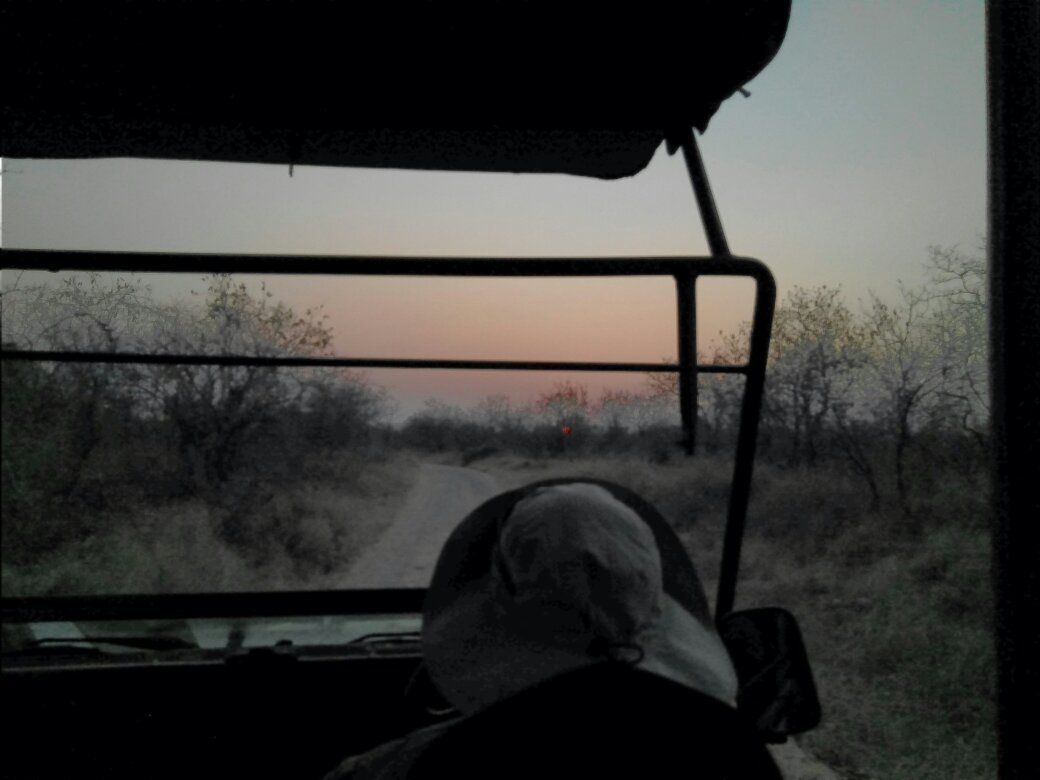
What a Sunrise Safari in Ruaha Involves
A sunrise safari starts in darkness. You are woken well before dawn, usually with coffee and something light brought to your tent, and you are in the vehicle and moving while the sky is still black or barely grey. The first part of the drive happens in near-dark, with the headlights picking out shapes, and then the light comes up gradually and the park reveals itself around you.
The timing is deliberate. Being already out when the sun rises, rather than setting off at sunrise, is what makes the difference, since the transition from night to day is the most active period of the entire twenty-four hours. Camps that take their guiding seriously push for this early departure, and while the alarm is unwelcome at first, most guests come to look forward to it on a Ruaha safari.
Why the Sunrise Hour Is the Best of a Safari Day
The hour around dawn concentrates several advantages at once. The air is at its coldest, which keeps animals active before the heat drives them into shade. Nocturnal creatures are finishing their night while diurnal ones are starting their day, so both are briefly available, a crossover that happens at no other time. Predators that hunted overnight may still be at a kill or on the move.
Sound carries differently too. In the still air before the day warms, you hear lions roaring, hyenas calling and the first birds starting up, and a guide will use those sounds to decide where to head. The bush is quiet enough that a distant alarm call stands out clearly. For sheer productivity and atmosphere, the sunrise hour is the peak of a Ruaha safari day.
Being already out when the sun comes up, rather than leaving at sunrise, is the whole point. That crossover hour, when the night shift hands over to the day, happens only once and does not wait.
Wildlife Activity at First Light on Safari
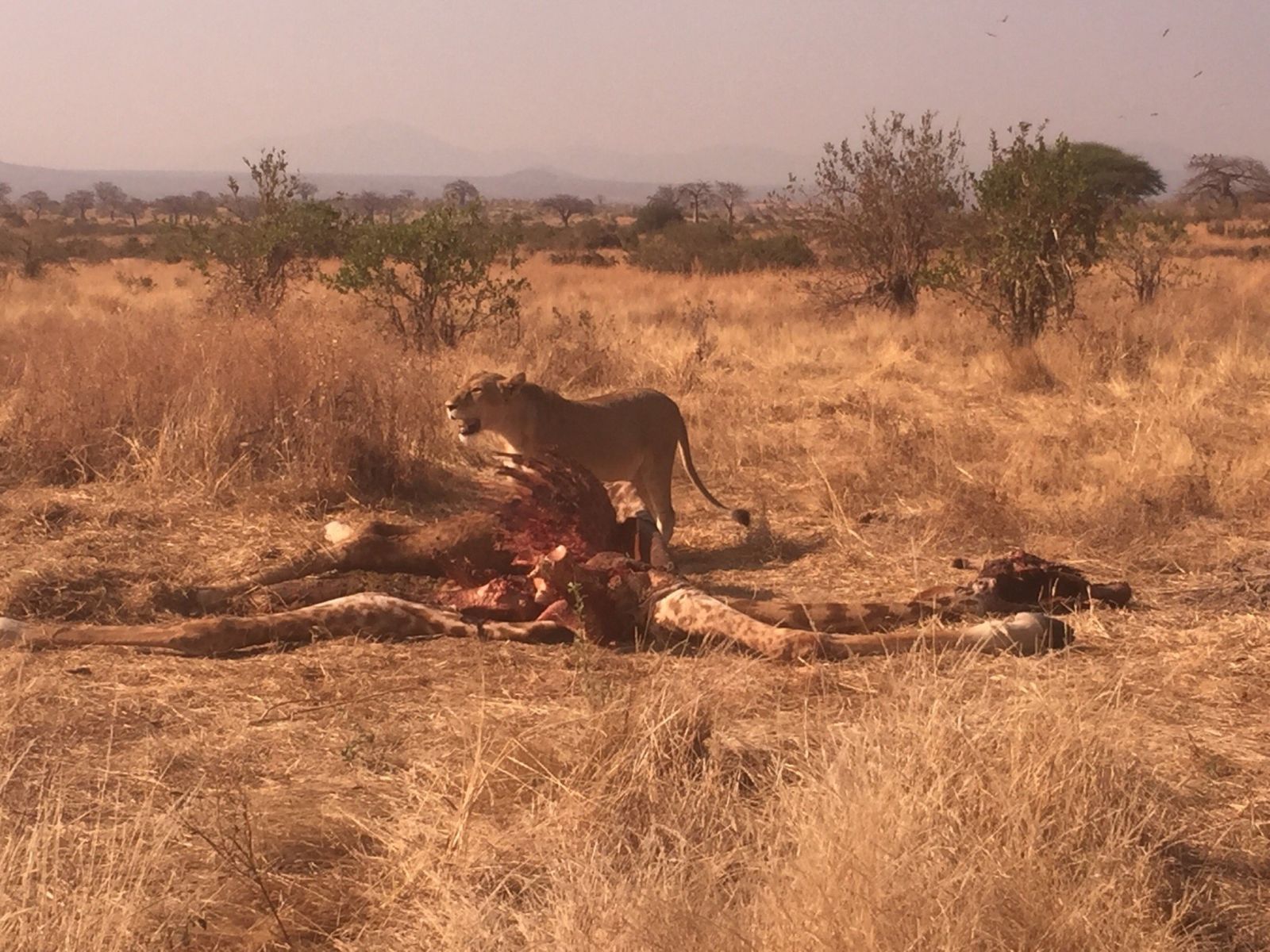
Dawn delivers behaviour rather than just presence. A lion pride that made a kill overnight may still be feeding, with hyenas and vultures gathering at the edges, which is one of the most dynamic scenes the park offers. Leopards may be making their last move before finding a tree for the day. Cheetahs use the cool light to hunt.
The general game is equally busy, with herds moving toward water, youngsters full of energy after the night, and impala and zebra alert and skittish because the predators are still about. Bird activity peaks in the first hours, with the dawn chorus and raptors taking their first thermals. Within an hour or two of sunrise, much of this settles down, which is why the early start matters so much on a sunrise safari.
Tracks are another reason to be out first. The sand of the roads and riverbeds records everything that moved overnight, and before other vehicles pass, that record is clean and readable. A guide can tell you that a leopard crossed here after midnight, that a pack of wild dogs came through heading east, or that lions walked the road ahead of you for a kilometre and turned off recently. Sometimes those tracks lead directly to the animal that made them. Arriving later means driving over the evidence, which is one more argument for the alarm going off in the dark.
Light and Photography on a Sunrise Safari
The light at dawn is the best of the day and the reason many photographers will not miss this outing. It arrives low, warm and soft, casting long shadows that give shape to the country, and in the cool months mist sometimes hangs over the river and the sand beds, which photographs beautifully. Backlit dust and animal breath in the cold air add atmosphere that midday light cannot produce.
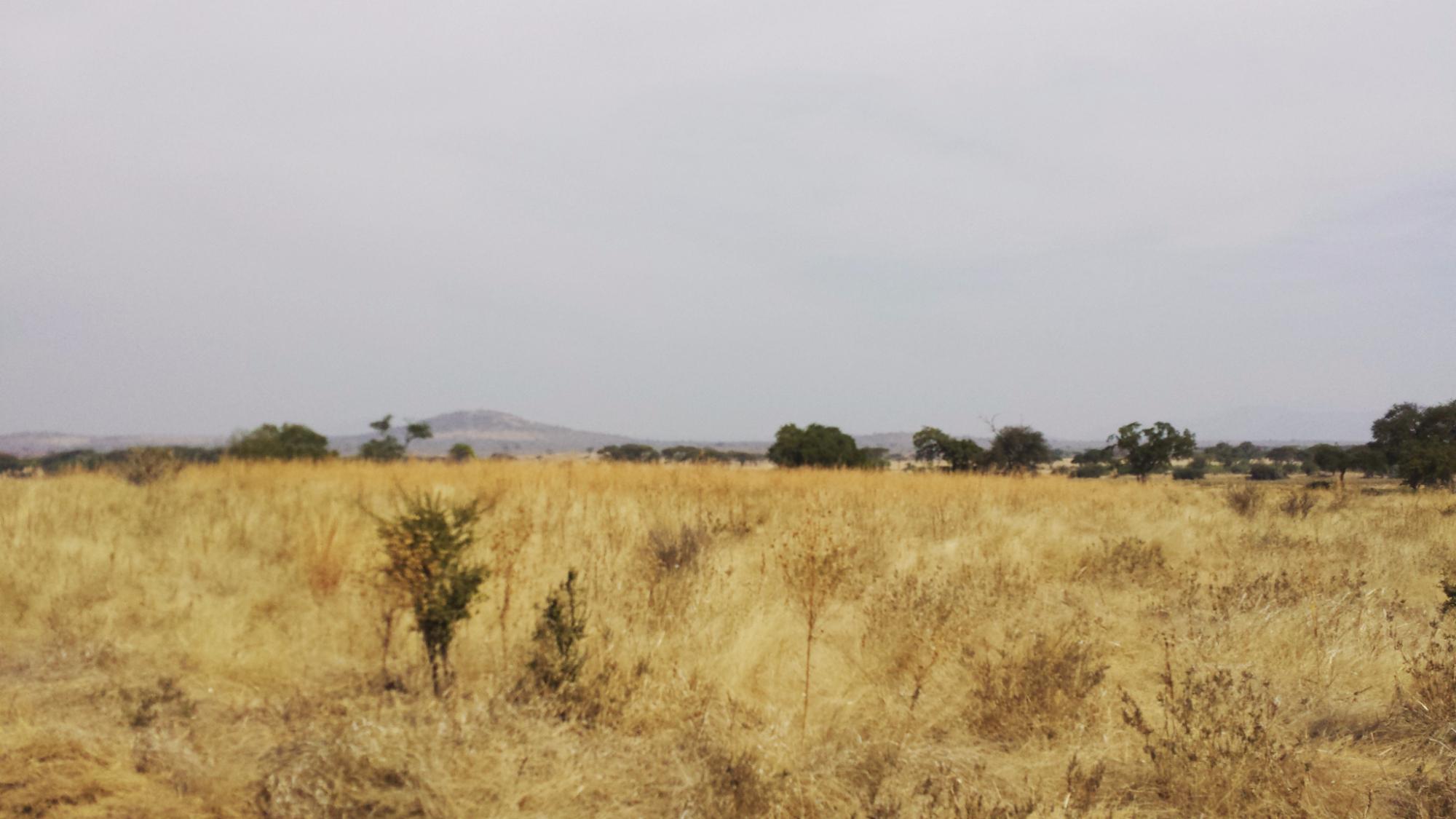
The window is short, perhaps an hour before the light hardens, so photographers plan for it deliberately, having gear ready and the vehicle positioned before the sun clears the horizon. Silhouettes against the rising sun, particularly of a baobab or a line of elephants, are a signature Ruaha image. For this alone, a sunrise safari earns the early alarm.
The half hour before the sun actually appears is worth using rather than dozing through. That pre-dawn period gives soft, even light with a blue cast that suits wide scenes, and the sky often carries colour well before the sun clears the horizon. Animals silhouetted against that lightening sky, or a river reflecting it, produce images quite different from anything shot once the sun is up. Have the camera out and settings ready before you leave camp, since the light changes fast and the difference between being prepared and fumbling is often the shot itself.
Dressing for the Cold Start of a Sunrise Safari
The single practical thing to get right is warmth. Ruaha sits at moderate altitude, and dry-season mornings, particularly in June and July, can feel close to ten degrees, which the wind chill of an open vehicle makes considerably colder. Guests routinely underestimate this and spend the best hour of the day too cold to enjoy it.
Dress in layers you can shed: a warm fleece or jacket, a hat that covers the ears, and maybe a scarf or buff, over the lighter clothing you will want by mid-morning. Most camps provide blankets and often hot water bottles in the vehicle. By an hour after sunrise you will be peeling layers off, which is exactly how it should work on a Ruaha safari.
Gloves and warm socks are the items people most often wish they had packed. Hands holding binoculars or a camera in the wind chill get cold quickly, and thin liner gloves you can still operate a shutter through make a real difference on those June and July mornings. Closed shoes rather than sandals matter for the same reason. It sounds like a lot of fuss for a few hours in tropical Africa, but the guests who dress properly are the ones still enjoying the drive at first light rather than counting the minutes until the sun clears the horizon.
Sunrise Safaris and Bush Breakfast
Many camps pair the sunrise drive with breakfast out in the park. After the peak activity has passed, the guide finds a scenic spot, often on a river bend or under a large tree, and the crew sets up coffee, tea and a full breakfast in the bush. Eating outdoors with the morning’s sightings still fresh, and the park waking around you, is one of the quiet pleasures of a safari.
Other camps return for a late brunch instead, which suits guests who prefer a shorter outing. Either way, the sunrise drive typically runs three to four hours before food, so it is worth taking something small before you leave. If a bush breakfast appeals, ask your camp whether they offer it, since it turns the morning into a longer, more relaxed affair on a Ruaha safari.
Best Time of Year for Sunrise Safaris in Ruaha
Sunrise drives are rewarding all year, but the dry season from June to October is the strongest, with wildlife concentrated near the river and clear skies giving reliable dawn light. June and July bring the coldest starts, so warm layers matter most then, while September and October are milder at dawn and offer the sharpest game concentrations.
In the green season from November to April, dawn is milder and often more dramatic, with cloud and storm light making for spectacular skies, though the game is dispersed and the odd overcast morning flattens the light. Sunrise times shift only slightly through the year this close to the equator, so the departure hour stays broadly similar whenever you visit on a sunrise safari.
Frequently Asked Questions
What time does a sunrise safari start?
You are usually woken well before dawn and in the vehicle while the sky is still dark, so that you are already out in the park when the sun comes up rather than setting off at sunrise. The exact time shifts a little through the year, but the aim is always to catch the first light out in the bush.
Why is the sunrise drive so productive?
Because the hour around dawn is the most active of the day. The cold air keeps animals moving before the heat drives them into shade, nocturnal and daytime creatures overlap briefly, and predators that hunted overnight may still be at a kill. Sound carries well in the still air, helping guides locate wildlife.
How cold does it get on a sunrise safari?
In the dry season, particularly June and July, mornings can feel close to ten degrees Celsius, and the wind chill in an open vehicle makes it feel colder still. Bring a warm fleece or jacket, a hat covering the ears and perhaps a scarf. Most camps provide blankets and often hot water bottles.
Is breakfast included on a sunrise safari?
Often, yes. Many camps set up a bush breakfast out in the park after the peak activity has passed, with coffee, tea and a full spread at a scenic spot. Others return to camp for a late brunch. The drive typically runs three to four hours before food, so take something small before you leave.
How much does a sunrise safari cost?
Sunrise drives are part of the normal daily routine and included in your camp’s rate rather than charged separately, along with park entry, currently around 30 US dollars per non-resident adult per 24 hours before 18 percent VAT. Budget camps outside the park may charge activities separately. Confirm what your rate includes and check current fees with TANAPA.
Plan Your Ruaha Safari
Getting the most from the dawn hour depends on a camp that takes the early start seriously and a guide who knows where to be when the light comes up. The safari companies and tour operators listed on this website run sunrise game drives across Ruaha, timed and routed to catch the park at its most active.
Whether the budget is tight or open, the drives, guiding, flights and park bookings are handled in the background so none of the admin lands on you. Want a proper quote, or just a steer on planning your days? Reach out to the operators listed here, and a real person, not a bot, will get back to you.