Baobab-Studded Plains
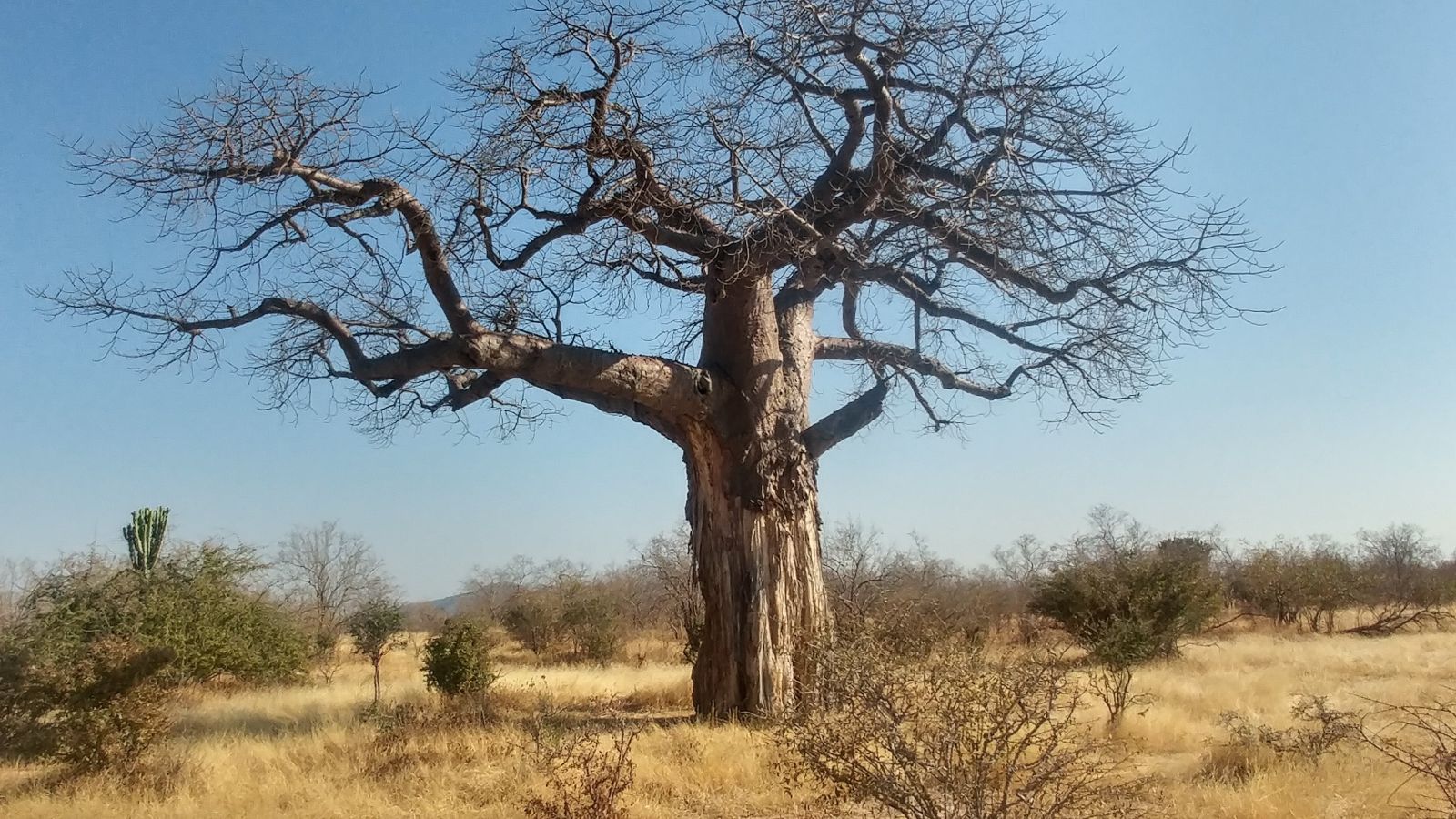
Ruaha’s baobab-studded plains are the park’s signature country, open savannah punctuated by ancient baobab trees, many centuries old, standing singly across the ground with their swollen trunks scarred where elephants have stripped the bark for moisture. They give the park a character no other Tanzanian reserve matches. Ruaha is one of Tanzania’s largest national parks, in the south-central Iringa Region, and the anchor of the country’s quieter southern safari circuit.
The Baobab Country of a Ruaha Safari
If one image defines Ruaha, it is a baobab standing alone on open ground against a wide sky. The park’s plains carry these trees in numbers, scattered rather than clustered, so the country reads as open savannah interrupted at intervals by huge, strange-shaped trunks. Some accounts describe parts of the park as baobab forest, though studded plains catches it better, since the trees keep their distance from one another.
This is the country most visitors spend their time in, since it occupies the valley floor and the ground around the Great Ruaha and its tributaries, mixed with acacia, Commiphora and Combretum bush. The combination of open sightlines, big game and these singular trees is what gives a Ruaha safari its particular look, quite distinct from the treeless plains of the northern parks.
The Baobab Tree Itself on Safari
The baobab deserves attention in its own right. Its trunk is grotesquely thick in proportion to its height, swollen because it stores water against the dry season, and its branches are stubby and bare for much of the year, which gives rise to the old story that the tree was planted upside down with its roots in the air.
Individual trees can be centuries old, and the largest in the park are genuinely ancient, having stood through the whole recorded history of the region. They flower with large white blooms that open at night and are pollinated by bats, and they carry heavy pods of nutritious fruit. Understanding a little of the tree’s biology adds a good deal to what would otherwise be simply a striking shape on a Ruaha safari.
The fruit and bark have long been used by people across the region, the pulp being rich in vitamin C and the fibrous bark worked into rope and cloth, so the tree has a place in local life as well as in the ecology. Its hollows hold water and shelter, and birds, bats and insects use it heavily, which makes a single old baobab a small habitat in its own right rather than just a tree standing in a field.
The swollen trunk is a water tank. The scarred bark is elephant work. The tree that looks planted upside down is, on Ruaha’s plains, both the park’s signature image and a working part of its dry-season economy.
Elephants and the Baobabs on a Ruaha Safari
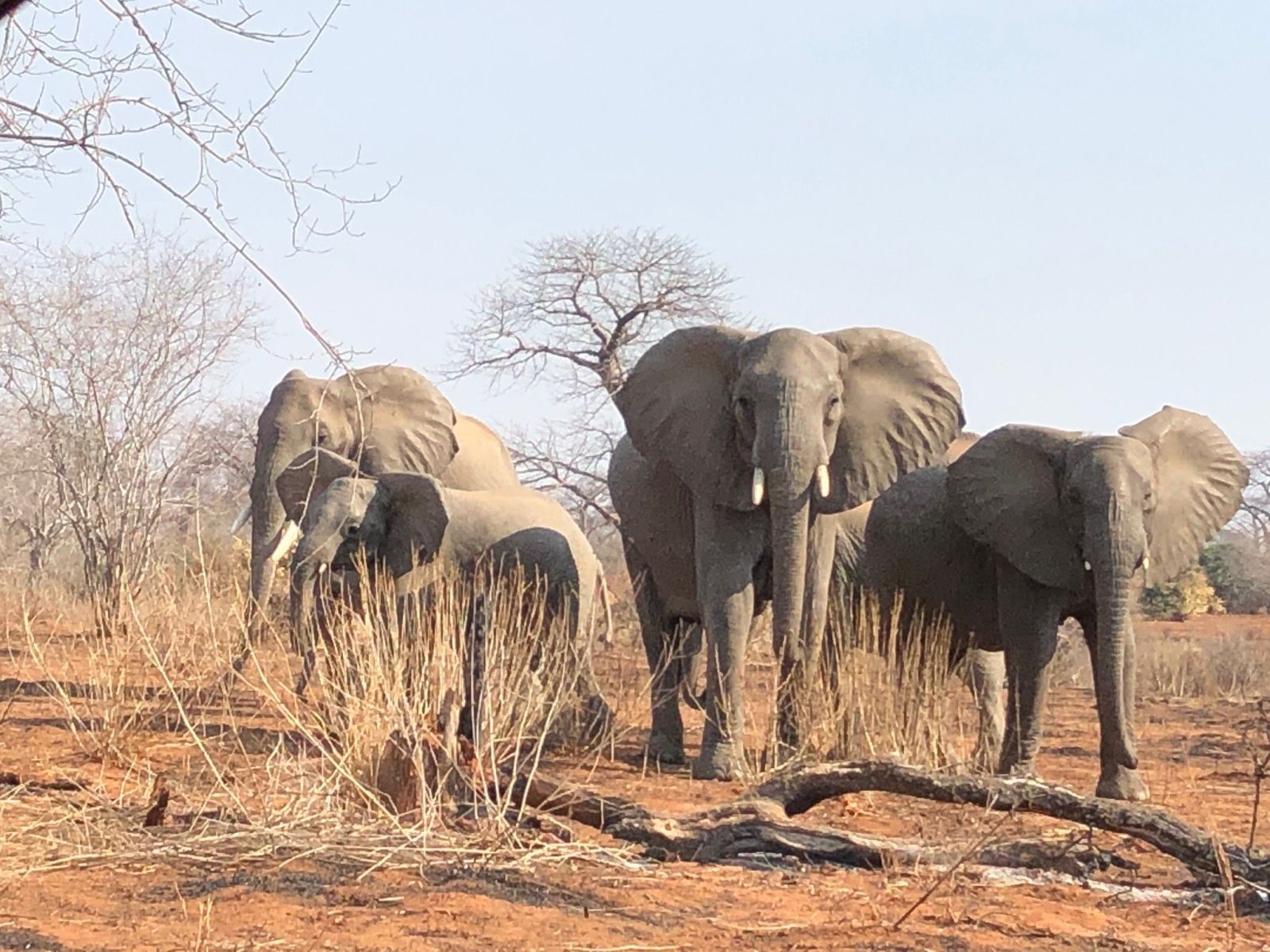
The relationship between the park’s elephants and its baobabs is one of the more interesting things to watch for. Because the trunk stores water and the bark is fibrous and edible, elephants strip and gouge the bark in the dry season to reach the moisture inside, and a great many of Ruaha’s older trees carry deep scars and grooves from this.
Some trees are worked heavily enough to be hollowed at the base, and occasionally a tree is damaged so severely that it collapses. Baobabs are resilient and can heal considerable damage, but in a park with elephant numbers commonly put around ten thousand across the greater ecosystem, that pressure is real. Noticing which trees are scarred and which are not tells you something about elephant movement on a Ruaha safari.
Wildlife of the Open Plains on Safari
The open country between the baobabs is where the classic game viewing happens. Elephant herds move across it, particularly toward the watercourses, and buffalo, zebra, impala, giraffe and Grant’s gazelle graze the open ground. The long sightlines mean you spot animals at distance, which suits both watching and photography.
For predators the plains matter because cheetah need open ground to run, so this is the habitat to search for them, and lions use it too, working the routes prey takes toward water. In the green season the plains grass grows tall and green and the game disperses across it, while in the dry months the country bleaches and the animals draw toward the river, which is the rhythm of a Ruaha safari.
Photographing the Baobab Plains on Safari
This is the country that rewards a wide lens as much as a long one. A baobab gives a photographer something the open plains of other parks cannot: a strong vertical shape to anchor a composition, a sense of scale when an elephant stands beneath it, and a silhouette that reads instantly against a colouring sky.
The strongest images come at the ends of the day, shooting into low sun with a tree in the foreground, which produces the graphic high-contrast frame most associated with the park. Guides know the individual trees that photograph best and where they sit relative to the sun, so it is worth asking rather than hoping to happen upon the right one. Sundowners are often arranged beneath a good tree on a Ruaha safari.
One further tip is to include something for scale. A baobab photographed alone can look merely odd, whereas the same tree with an elephant, a vehicle or a person at its base suddenly reads as enormous, which is the point you are trying to convey. Waiting for game to move into frame beneath a tree takes patience but produces the images that people stop at, and in a park this empty you can usually wait as long as you like.
Where to Find the Best Baobab Country on Safari
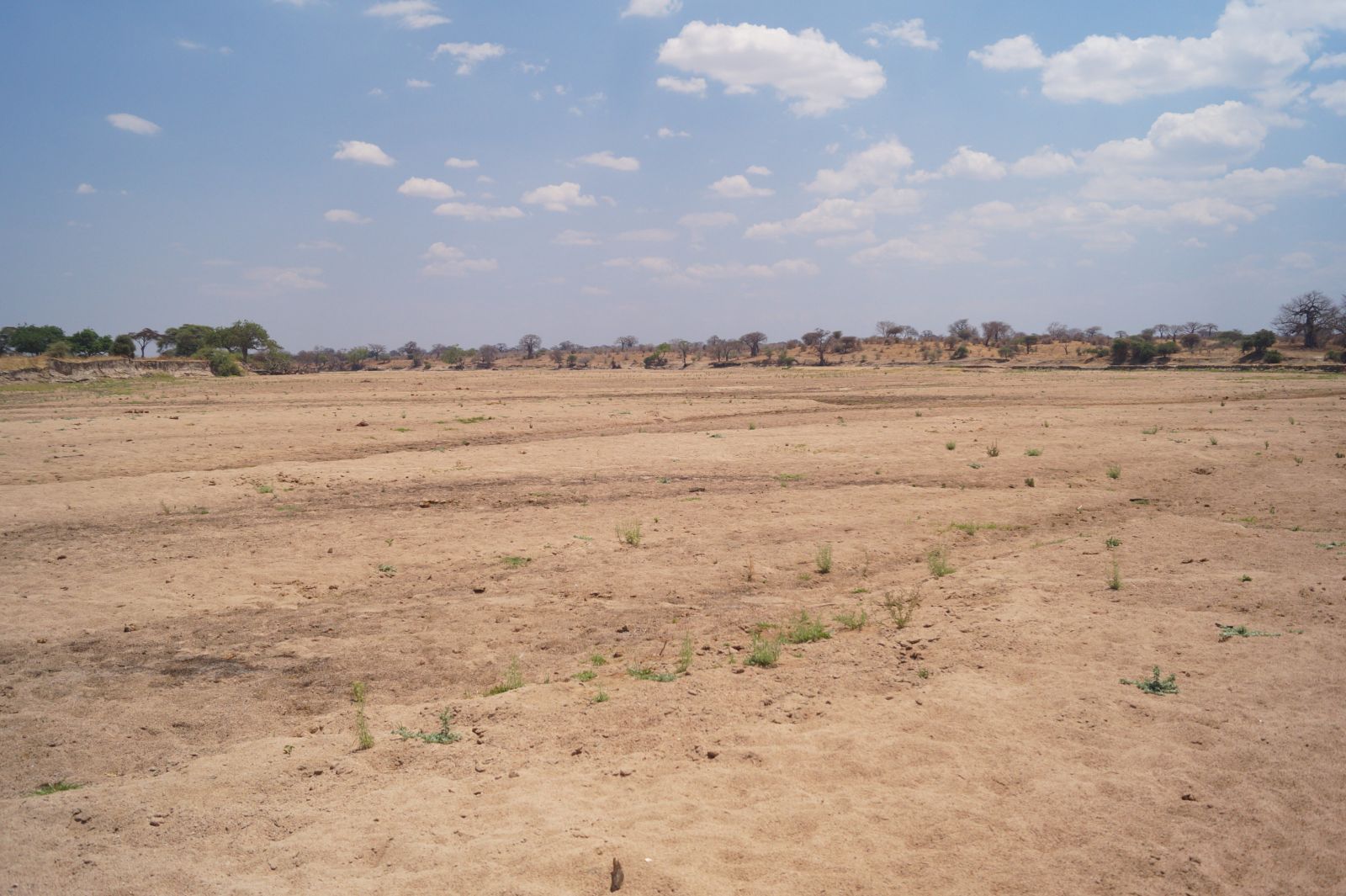
The baobabs are widespread across the valley floor, so you do not have to seek them out, but the density and setting vary. The country around the Great Ruaha and along the approaches to the sand rivers carries plenty, and the open ground back from the river frontage tends to give the cleanest views of individual trees standing clear of other vegetation.
Higher ground and the escarpment offer a different perspective, letting you look out over the plains and see the trees scattered across the country below, which conveys the scale better than driving among them. From the summit of one of the rocky hills the pattern is laid out plainly. Ask your guide which parts of your camp’s area hold the finest trees on a Ruaha safari.
It is worth noting how much the baobabs do for the feel of the park rather than just its appearance. Open plains without trees can read as empty and monotonous over several days, whereas country punctuated by these enormous shapes gives every drive a sense of place and makes one stretch distinguishable from another. Guides and guests alike navigate by particular trees, and after a few days you find yourself recognising them, which is a small thing that makes a large park feel knowable.
Best Time to See the Baobab Plains on Safari
The baobabs are there year round, and the season changes their appearance markedly. In the dry months from June to October they stand bare-branched and stark against pale bleached grass and hard blue sky, which is the classic look and the one most people picture, and the game concentrations are at their best.
In the green season from November to April the trees come into leaf and the plains turn green beneath them, which many photographers prefer for its colour and the dramatic storm light behind, though the game disperses. Flowering brings the large white blooms. Either season shows the plains well, so the choice comes down to whether you want bleached drama and concentrated game or green country and better skies on a Ruaha safari.
For most first-time visitors the dry season wins on balance, because the wildlife concentrations along the river are the main reason to come and the bare-branched trees against pale grass are the image people have in mind when they picture Ruaha. Photographers and repeat visitors are the ones who tend to argue for the green months, when the storm light and the leafed trees give them something they cannot get in October.
Frequently Asked Questions
Why does Ruaha have so many baobabs?
The park’s valley floor and open plains sit in country that suits the tree, which thrives in hot, dry, well-drained ground, and Ruaha’s semi-arid conditions and elevation suit it well. The trees stand scattered rather than clustered across the savannah, mixed with acacia and Commiphora bush, giving the park its distinctive appearance.
How old are Ruaha’s baobabs?
Individual trees can be centuries old, and the largest in the park are genuinely ancient, having stood through the whole recorded history of the region. Their age is part of what makes them so striking, along with the swollen trunk that stores water against the dry season and the stubby bare branches.
Why are the baobab trunks scarred?
Elephants strip and gouge the bark in the dry season to reach the moisture stored in the fibrous trunk, so a great many of Ruaha’s older trees carry deep grooves and scars. Some are hollowed at the base, and occasionally a tree is damaged badly enough to collapse, though baobabs can heal considerable damage.
What animals live on the baobab plains?
The open country carries elephant herds, buffalo, zebra, impala, giraffe and Grant’s gazelle, with long sightlines that make spotting easier. Cheetah favour the open ground since they need room to run, so the plains are where you look for them, and lions work the routes prey takes toward water.
How much does it cost to visit the baobab plains?
The plains are the main game-viewing country of the park, so seeing them is part of any Ruaha safari rather than a separate charge. Park entry is currently around 30 US dollars per non-resident adult per 24 hours before 18 percent VAT, with reduced rates for residents and East African citizens. Confirm current fees with TANAPA before you travel.
Plan Your Ruaha Safari
The baobab country is where most of a Ruaha trip happens, and a guide who knows which trees photograph best and where the game crosses the open ground makes a real difference to what you come home with. The safari companies and tour operators listed on this website run drives across this country and can time your outings for the light.
Whether the budget is tight or open, the drives, guiding, flights and park bookings are handled in the background so none of the admin lands on you. Want a proper quote, or just a steer on the best of the baobab country? Reach out to the operators listed here, and a real person, not a bot, will get back to you.