Usangu Wetlands and Ihefu Swamp
The Usangu Wetlands and Ihefu Swamp lie in the western part of Ruaha National Park, added to it in 2008, and they matter enormously despite seeing almost no tourism: this is the sponge that feeds the Great Ruaha River, and the water drawn from it upstream is why the river now runs dry. Ruaha is one of Tanzania’s largest national parks, in the south-central Iringa Region, and the anchor of the country’s quieter southern safari circuit.
What the Usangu Wetlands Are on a Ruaha Safari
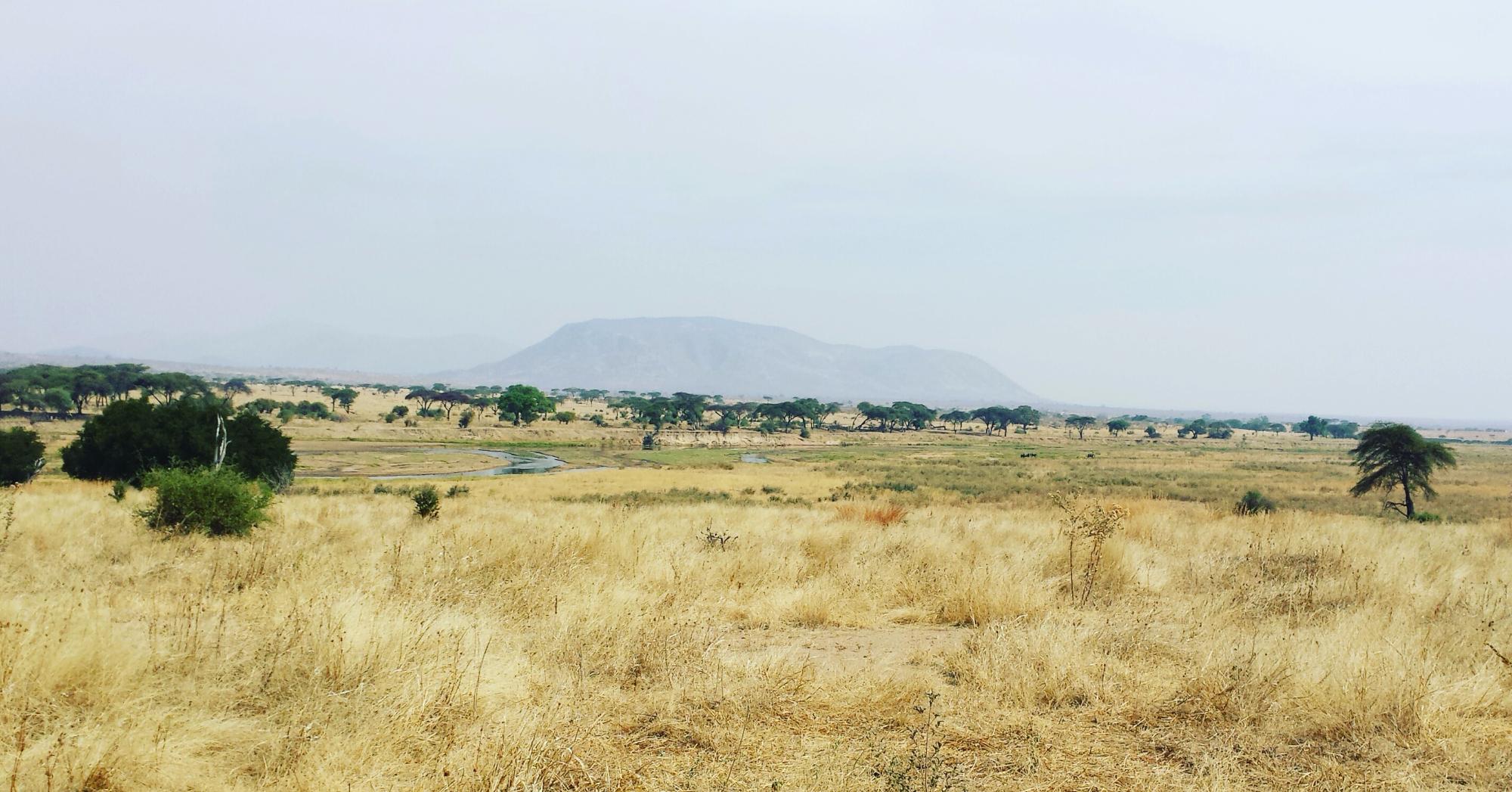
The Usangu wetlands are a broad, low-lying basin of seasonal marsh and floodplain in the west of the park, with the Ihefu swamp at their heart. Fed by rivers draining the surrounding highlands, the basin fills during the rains and slowly releases water through the dry months, acting as a natural reservoir and filter for the whole system downstream.
The area was not always part of the national park. It was brought in during 2008, when the former Usangu Game Reserve and surrounding wetlands were folded into Ruaha, considerably expanding the park to its present size of around 20,226 square kilometres. That addition was driven as much by the need to protect the water source as by wildlife concerns, which tells you how central this basin is to the health of a Ruaha safari destination.
Why the Ihefu Swamp Matters to a Ruaha Safari
The Ihefu swamp is the mechanism that keeps the Great Ruaha River flowing. Water gathers here during the rains and is released gradually, so historically the swamp fed the river through the dry season, sustaining the pools that carried the park’s wildlife through the hardest weeks. Without that slow release, the river would simply stop when the rains did.
This makes the swamp the single most important piece of hydrology in the park, even though almost no visitor ever sees it. Everything that happens in the celebrated river country to the east, the elephant herds digging in the sand, the lions waiting at the pools, the hippos crowded into shrinking water, depends on what the Ihefu releases. Understanding this connection is what makes the wetlands worth knowing about on a Ruaha safari.
Almost no visitor sees the Ihefu swamp, yet everything they do see depends on it. It is the sponge that fed the Great Ruaha through the dry season, and the reason the river now fails is that too much water is taken before it arrives.
The Water Crisis Behind the Safari River
The problem is straightforward to describe and hard to solve. The Usangu basin sits in prime agricultural country, and over recent decades a great deal of water has been diverted for irrigated farming, chiefly rice, along with livestock use, before it can reach the swamp and pass downstream. Cattle grazing in the wetlands added further pressure.
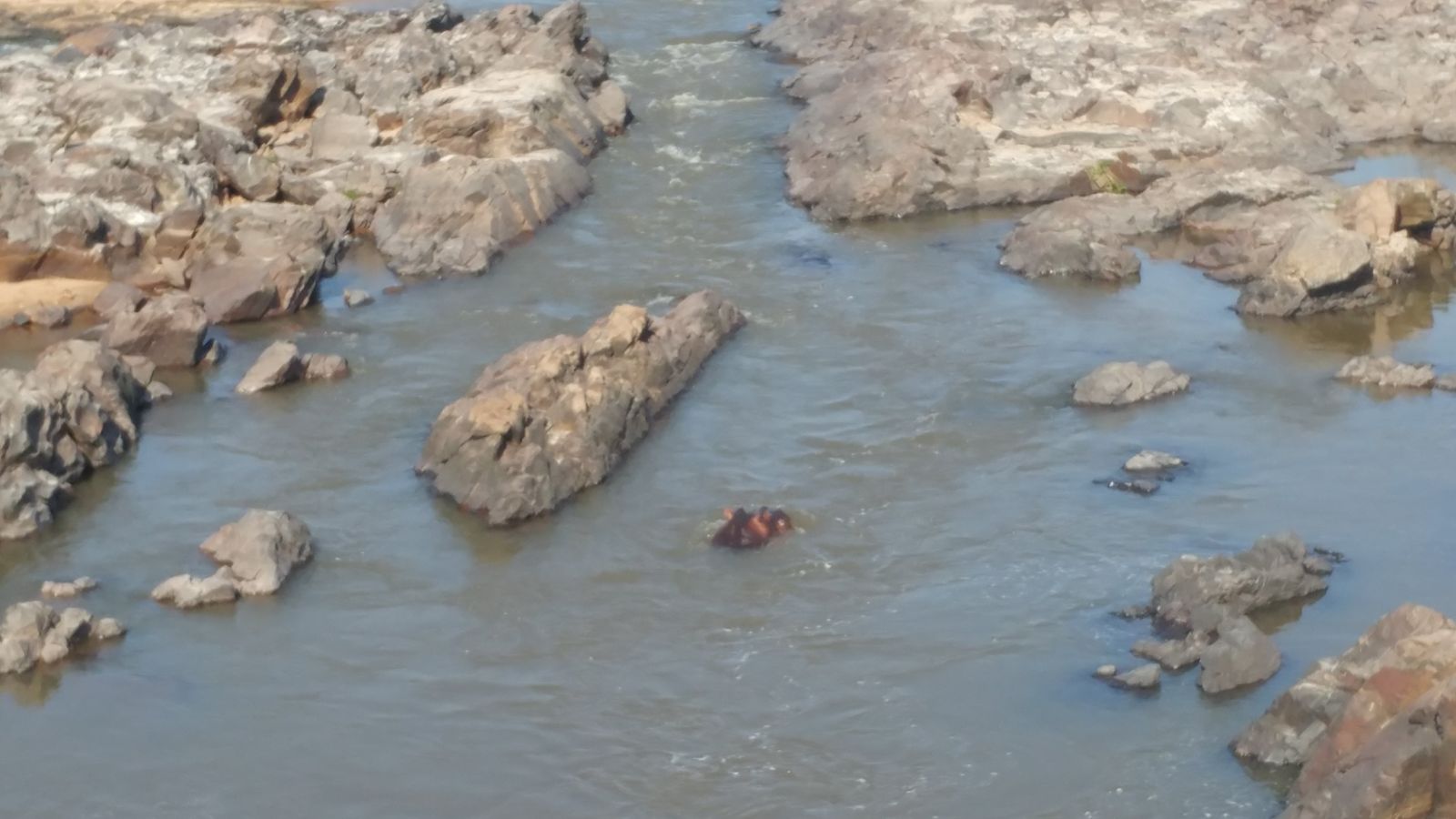
The result is that the Ihefu no longer releases what it once did, and stretches of the Great Ruaha that flowed through the whole year have in recent decades stopped flowing entirely in the worst dry months. That failure lands on the wildlife in the park, on communities downstream, and on the hydro-power scheme the river feeds. The health of the wetlands and the fate of the river are the same story, which is why conservation attention here matters to every Ruaha safari.
Wildlife and Birdwatching in the Wetlands
As habitat, the wetlands add something the rest of the park lacks. Where the dry bush and sand rivers to the east support the classic Ruaha cast, a seasonal marsh supports water-dependent species, so the basin brings waterbirds, wetland plants and different grazing patterns into the protected area. For birds especially, this kind of habitat is valuable, adding to a park list already running past 570 species.
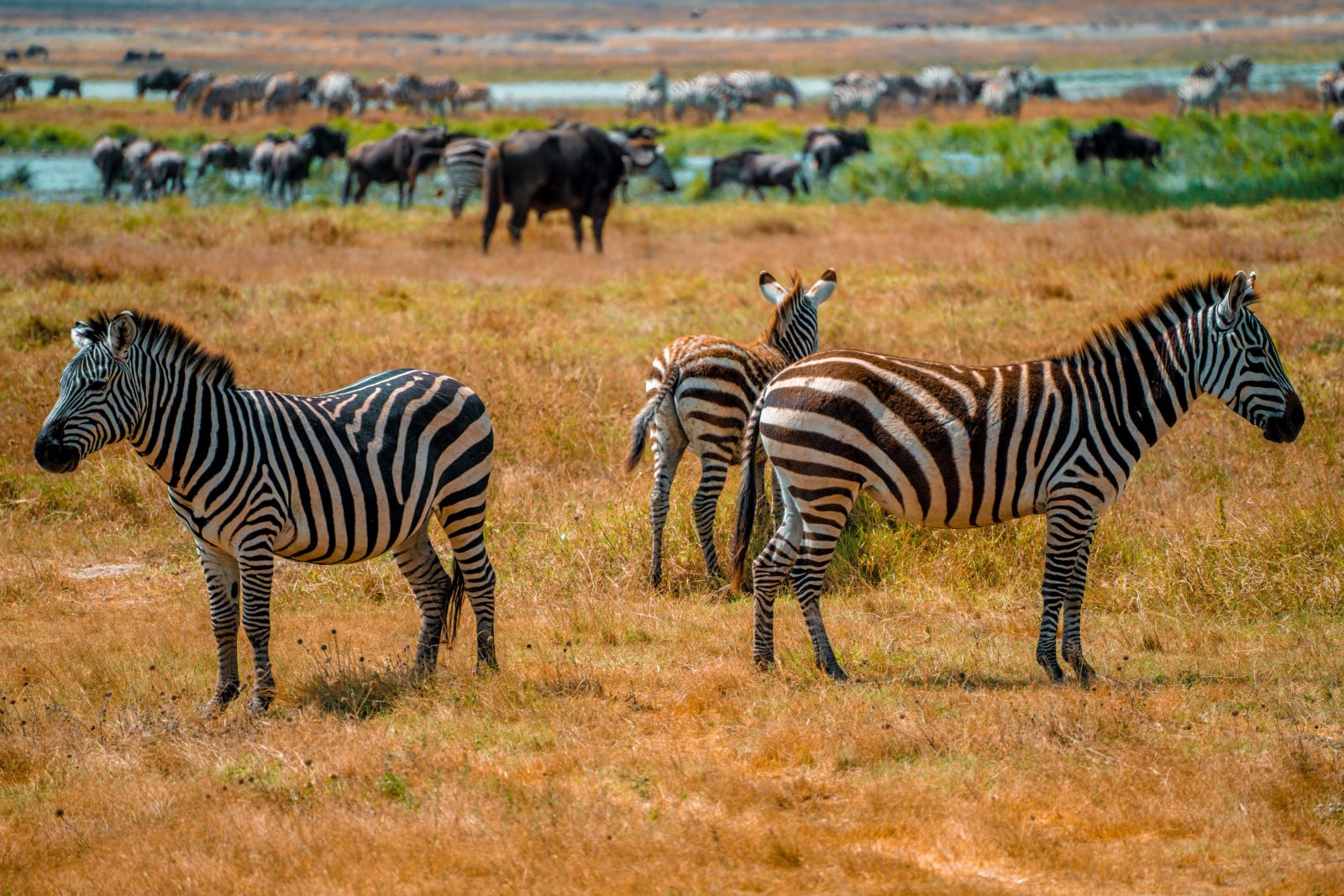
Bringing the wetlands inside the park boundary in 2008 widened the range of habitats under protection, which is part of why Ruaha’s species list is so long. Larger animals use the floodplain grazing seasonally too. It is a different world from the baobab country, and its inclusion made the park a more complete ecosystem rather than simply a bigger one on a Ruaha safari.
The wetlands also matter for the animals that move between habitats through the year. Seasonal floodplain grazing supports grazers when the drier country has little to offer, and species that need both water and open grass benefit from having the two together. This is the kind of ecological value that does not show up in a visitor’s sightings list but underpins the park’s overall health, which is one reason conservation planners were keen to bring the basin inside the boundary rather than leaving it exposed to unregulated grazing and cultivation.
Can You Visit the Usangu Wetlands on Safari?
Here an honest answer is needed: in practice, almost certainly not on a normal trip. The wetlands lie in the far west of the park, a long way from the camps, the airstrips and the road network that serve visitors, and there is no tourism infrastructure there to speak of. No camps sit in the basin, and the tracks that reach it are not part of any standard itinerary.
Visitors on a conventional Ruaha safari spend their time in the central river country and, occasionally, the remote south, both of which are far from Usangu. So the wetlands are better understood as context for what you are seeing than as a destination to add to a plan. If you have a specialist interest in wetland ecology or the water issue, discuss it with an operator, but treat access as difficult rather than routine.
What visitors see. The central river country along the Great Ruaha and its sand tributaries, and sometimes the remote southern sector, where the camps, airstrips and road network are.
Where Usangu sits. Far to the west, without camps or tourism infrastructure, off the standard routes. Its importance is hydrological and ecological rather than as a place to visit on a normal trip.
Conservation of the Wetlands and Your Safari
Protecting the Usangu basin is now recognised as one of the more important conservation tasks in the region, precisely because so much depends on it. Bringing it into the national park in 2008 was a step toward that, restricting the grazing and use that had degraded the swamp, though managing the water drawn upstream involves farmers, government and the wider basin rather than the park authority alone.
The link to your visit is real if indirect. Park fees are reinvested in the protection of the whole park, wetlands included, and the case for careful water management is strengthened by the economic value that tourism gives the river country downstream. Understanding the water story also makes you a better-informed visitor, able to see the shrinking river on a Ruaha safari for what it is rather than as simply a natural cycle.
It is worth keeping a sense of proportion about the problem too. The farmers drawing water in the Usangu basin are growing food and making a living, not acting carelessly, and any solution has to work for them as well as for the park. That is what makes river management genuinely difficult rather than simply a matter of enforcement, and it is the same tension that runs through the conservation work with communities on the park’s other boundaries. The wetlands story, like the predator story, is finally about people and wildlife sharing a limited resource.
Best Time to Understand the Wetlands on a Ruaha Safari
Since the wetlands are not somewhere you will visit, the useful question is when their influence is most visible, and the answer is the late dry season. From August to October, when the Great Ruaha has retreated to a chain of pools and stretches of the bed lie dry, you are looking directly at the consequence of what does and does not arrive from upstream.
In the green season from November to April, with the rains filling the basin and the river running full, the crisis is invisible and the system looks healthy. So paradoxically the dry months, which show the park at its best for wildlife, also show the water problem at its starkest. A guide who explains that link as you watch elephants dig in the sand adds real depth to a Ruaha safari.
Frequently Asked Questions
What are the Usangu Wetlands and Ihefu Swamp?
They are a broad basin of seasonal marsh and floodplain in the western part of Ruaha National Park, with the Ihefu swamp at their heart. The basin fills during the rains and releases water slowly through the dry months, acting as a natural reservoir that feeds the Great Ruaha River downstream.
When were the wetlands added to Ruaha?
In 2008, when the former Usangu Game Reserve and surrounding wetlands were folded into the national park, expanding it considerably to its present size of around 20,226 square kilometres. The addition was driven as much by the need to protect this water source as by wildlife considerations.
Why does the Great Ruaha River dry up?
Because a great deal of water is diverted in the Usangu basin for irrigated farming, chiefly rice, along with livestock use, before it can reach the swamp and pass downstream. The Ihefu no longer releases what it once did, so stretches of the river that flowed year round now stop entirely in the worst dry months.
Can tourists visit the Usangu Wetlands?
Not realistically on a normal trip. The wetlands lie far to the west, away from the camps, airstrips and road network that serve visitors, with no tourism infrastructure there. Standard itineraries cover the central river country and sometimes the remote south. Treat Usangu as context for what you see rather than a destination.
Does visiting Ruaha help protect the wetlands?
Indirectly, yes. Park entry fees, currently around 30 US dollars per non-resident adult per 24 hours before 18 percent VAT and so about 35 dollars in practice, are reinvested by TANAPA in protecting the whole park including the wetlands, and tourism gives the river country economic value that strengthens the case for careful water management. Confirm current fees with TANAPA before you travel.
Plan Your Ruaha Safari
The wetlands are not a stop on an itinerary, but the water story they drive is worth understanding, and a good guide will connect it to everything you see along the river. The safari companies and tour operators listed on this website work with guides who can explain the park as an ecosystem rather than just a list of animals.
Whether the budget is tight or open, the drives, guiding, flights and park bookings are handled in the background so none of the admin lands on you. Want a proper quote, or just a steer on where to spend your time in the park? Reach out to the operators listed here, and a real person, not a bot, will get back to you.