What Conservation Projects Operate in Ruaha?
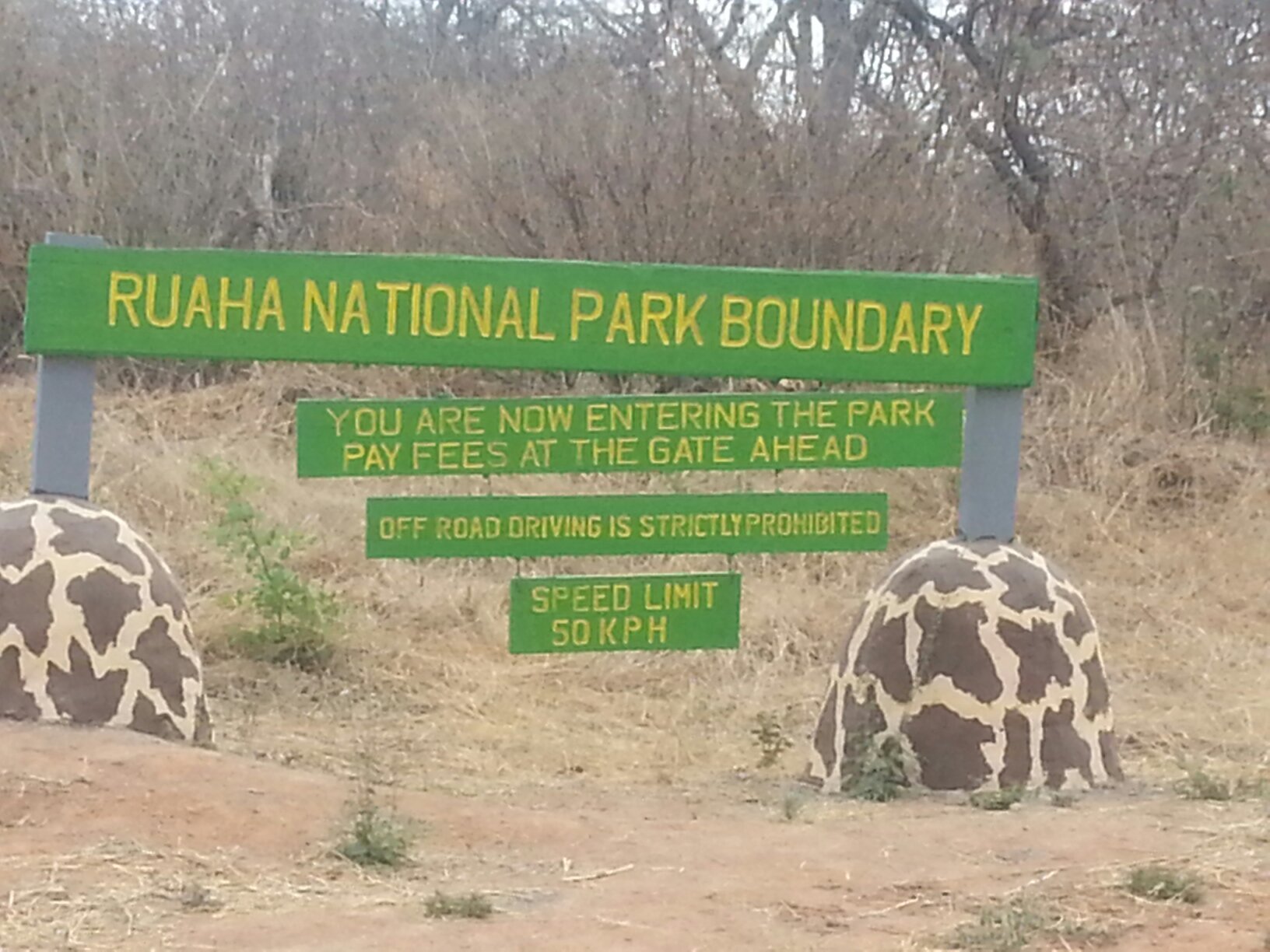
The best-known conservation work in Ruaha is the Ruaha Carnivore Project, which protects lions and other predators by reducing conflict with local communities, alongside TANAPA’s park management and anti-poaching and efforts to protect the Great Ruaha River. Together these safeguard one of Africa’s most important predator regions. Ruaha is one of Tanzania’s largest national parks, in the south-central Iringa Region, and the anchor of the country’s quieter southern safari circuit.
The Ruaha Carnivore Project and Lion Conservation
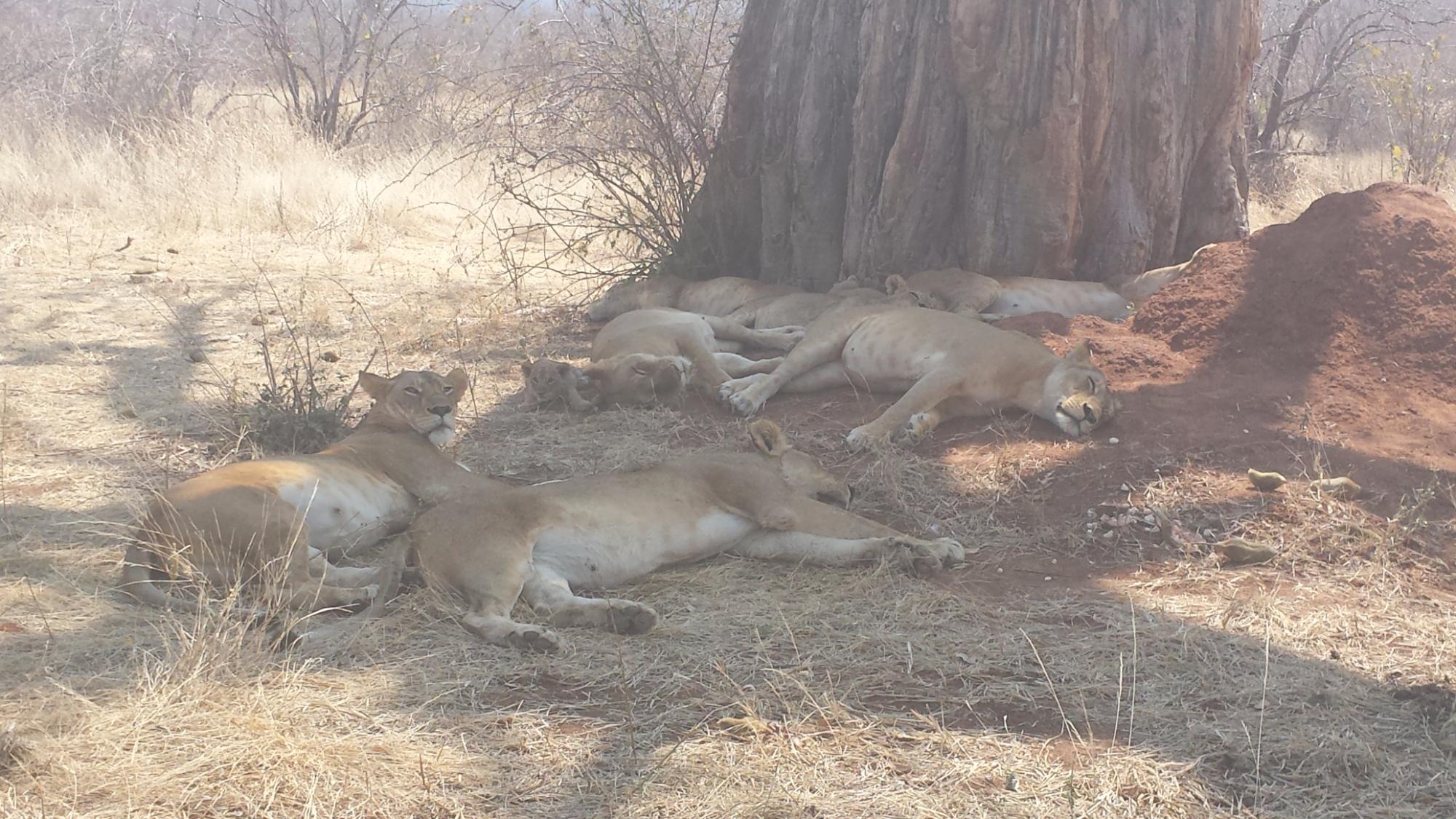
The flagship conservation effort here is the Ruaha Carnivore Project, founded in 2009 by Dr Amy Dickman under Oxford University’s Wildlife Conservation Research Unit. It was the first programme of its kind in the region, set up to protect the lions, cheetahs, leopards, spotted hyenas and African wild dogs that make the greater Ruaha area one of the most important predator regions on the continent. The project studies these carnivores, monitors their numbers, and works to keep them alive in a place where they had been killed in large numbers. In 2021 it merged with the organisation Lion Landscapes, broadening its reach across the wider lion range.
The scale of what the project protects is striking. The Ruaha area is often cited as holding around a tenth of the world’s remaining lions, one of the largest wild dog populations left anywhere, and one of only a few cheetah populations in East Africa. Keeping those populations healthy is why the research and community work matter so much, and it is part of what a Ruaha safari quietly supports.
The project’s research side runs deep. Teams have set up grids of camera traps across the wider area, built a database to identify individual carnivores, and trained guides at park lodges to record their sightings, so that a great deal of what is known about where the predators live and how they move has come from this work. That data is shared with the Tanzanian authorities to guide future conservation planning. For a species like the lion, which could face steep decline across Africa in the coming decades, this kind of careful, long-term monitoring in a stronghold like Ruaha is exactly what gives the animals a fighting chance.
Reducing Human-Wildlife Conflict on a Ruaha Safari
The heart of the conservation challenge here is conflict between people and predators. Around the park lies village land where communities keep livestock, and when lions and other carnivores kill cattle, herders have traditionally speared, snared or poisoned them in return, which once gave the area the highest recorded rate of lion killing in East Africa. Reducing that conflict is the single most important task, because the predators range far beyond the park boundary onto community land.
The project tackles this practically. It helps herders reinforce their livestock enclosures, known as bomas, so predators cannot break in, and it has introduced livestock-guarding dogs to protect grazing herds. It employs local warriors, drawn from communities like the Barabaig, as conflict officers and predator defenders who respond to attacks and help prevent them, turning the prestige once earned by killing lions into prestige earned by protecting them. These measures have cut livestock losses and, in turn, the retaliatory killing of carnivores. Understanding this work adds real depth to a Ruaha safari.
Ruaha’s predators live as much on village land as inside the park. The conservation work that keeps them alive is really about helping people and big cats share the same ground.
Community Benefits Behind Your Ruaha Safari
The other half of the approach is making wildlife worth more alive than dead to the people who live alongside it. The Ruaha Carnivore Project runs schemes that tie tangible benefits to the presence of predators, providing communities with support for healthcare, education and veterinary care in exchange for tolerating and protecting carnivores. One inventive scheme uses community camera traps in a points competition, where villages earn rewards for the animals photographed on their land, with a lion worth far more than a small antelope, so wildlife becomes a source of pride and income rather than loss. When your Ruaha safari supports these programmes, it helps make conservation pay for the communities on the front line.
Anti-Poaching and Park Management on a Ruaha Safari
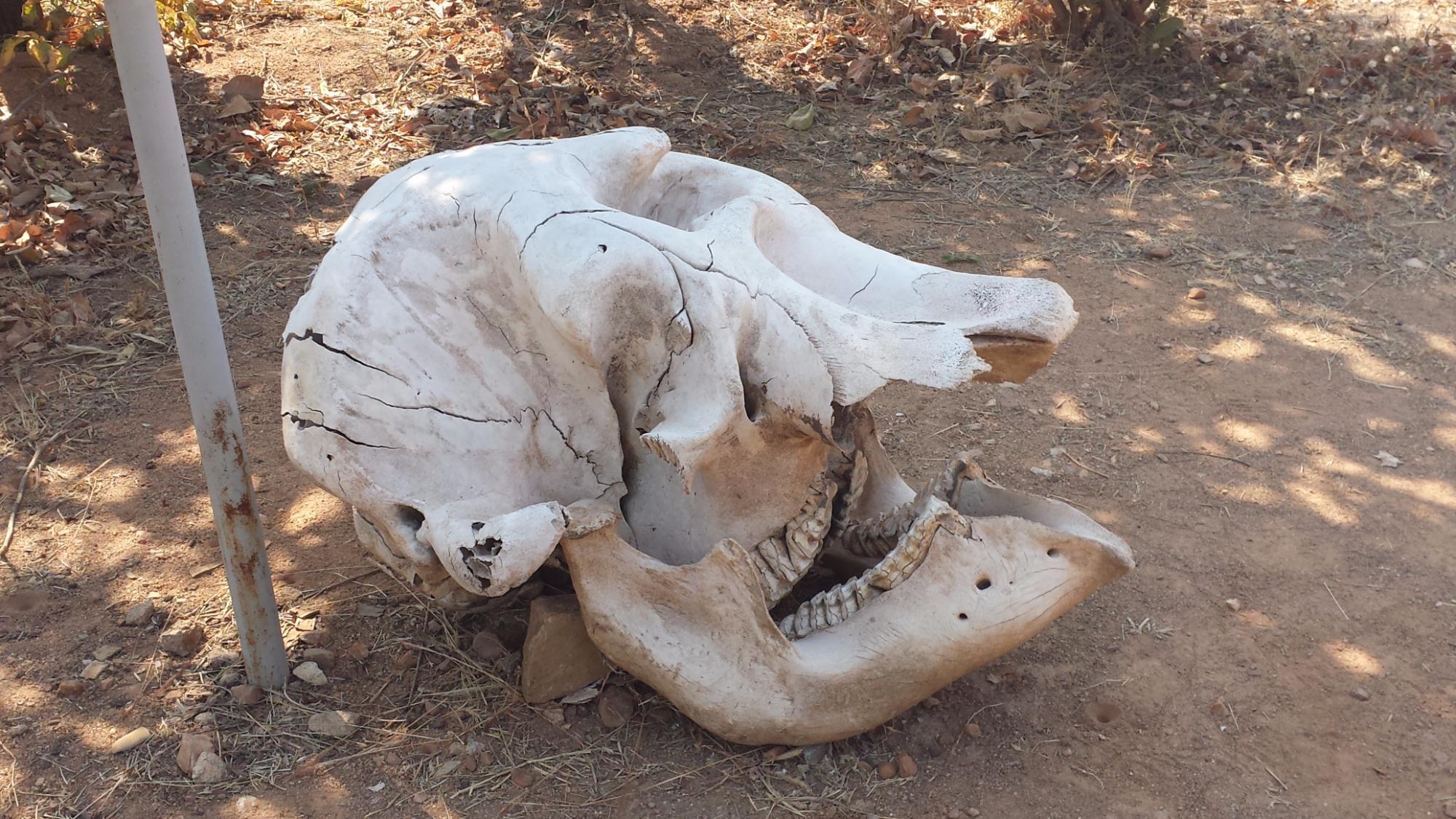
Inside the park, TANAPA, the Tanzania National Parks authority, runs the day-to-day management and anti-poaching that protect the wildlife directly. Ranger patrols work to deter poaching, which hit the park’s elephants hard in past decades, and sustained protection has helped the population hold and recover. TANAPA also manages the roads, camps and rules that keep the park functioning, and all park revenue is reinvested in conservation rather than taken as profit. The fees you pay on a Ruaha safari feed directly into this work, so simply visiting and paying park entry is a form of support.
Protecting the Great Ruaha River Ecosystem
One of the quieter but most important conservation concerns is water. The Great Ruaha River is the lifeline of the park, and in recent decades pressure from water use upstream has seen stretches that once flowed year round run dry in the worst months, which harms wildlife and the communities downstream alike. Efforts to manage water more carefully across the wider basin aim to keep the river flowing, since so much of the park’s life depends on it. Protecting the river is not a single project but a shared challenge involving the park, government and communities, and its outcome shapes the future of the whole ecosystem.
The stakes are easy to see on a drive. In the dry season the river is where the wildlife concentrates, so a river that keeps flowing is the difference between a park teeming with life at the water and one where the animals struggle through the hardest months. Because the Great Ruaha also feeds farms, fisheries and a hydro-power scheme downstream, its water is pulled in many directions, which makes balancing those needs a genuine test. Conservation here is not only about predators and elephants but about keeping the water flowing that everything else depends on, people and wildlife alike.
How a Ruaha Safari Supports Conservation
It is fair to ask what your visit actually does. The answer is more than you might think. Park entry and concession fees fund TANAPA’s management and anti-poaching directly, since that revenue is reinvested in the park. Tourism gives the wildlife an economic value that strengthens the case for protecting it, and many camps and operators support the Ruaha Carnivore Project and community initiatives through donations and by involving guests. Even the sighting data collected on game drives feeds into carnivore research, since the project has trained lodge guides to record what they see. A responsible Ruaha safari, in other words, is part of the conservation picture rather than separate from it.
Visiting Conservation Work on a Ruaha Safari
Travellers who want to engage more deeply can. Some camps arrange visits or talks that explain the carnivore project and the community work, and the project itself has at times offered ways for visitors to learn about and contribute to its efforts. Choosing a camp that supports conservation, asking your guide about the predator research, and understanding the human-wildlife conflict behind the scenery all turn a Ruaha safari into something more meaningful than game viewing alone. It is worth raising your interest with your operator, who can point you toward camps and experiences that put conservation front and centre.
Best Time for a Conservation-Focused Ruaha Safari
Any time of year works for a conservation-minded trip, but the dry season from June to October pairs the strongest wildlife viewing with the chance to see the predators the projects protect. The wild dog denning season around June and July is a particularly good window, since it offers the best odds of seeing the endangered dogs that so much of the conservation work centres on. Whenever you visit, engaging with the story behind Ruaha’s wildlife deepens the trip, and your fees and choices support the effort to keep this predator region intact.
Frequently Asked Questions
What is the Ruaha Carnivore Project?
It is the flagship conservation programme in the region, founded in 2009 by Dr Amy Dickman under Oxford University’s Wildlife Conservation Research Unit and merged with Lion Landscapes in 2021. It protects lions and other large carnivores by reducing conflict between predators and local communities, through measures like predator-proof livestock enclosures, guarding dogs, community benefits and research.
Why does Ruaha need carnivore conservation?
Because the area holds globally important predator populations, including around a tenth of the world’s remaining lions, yet those predators range onto village land where they kill livestock. This once gave the area the highest recorded rate of lion killing in East Africa. Conservation work aims to reduce that conflict so people and big cats can share the same country.
How does my safari support conservation in Ruaha?
Park entry and concession fees fund TANAPA’s management and anti-poaching directly, since that revenue is reinvested. Tourism gives wildlife an economic value that helps justify protecting it, many camps support the carnivore project and community programmes, and guide sighting data feeds carnivore research. Visiting responsibly is part of the conservation picture.
Can visitors see or visit the conservation projects?
Sometimes. Some camps arrange talks or visits that explain the carnivore and community work, and the project has at times offered ways for visitors to learn about and contribute. Ask your operator about camps that put conservation front and centre if you want to engage more deeply than standard game viewing.
How much does a Ruaha safari cost, and where do the fees go?
Park entry for a non-resident adult is currently around 30 US dollars per person for each 24 hours before 18 percent VAT, with reduced rates for residents and East African citizens, and these fees are reinvested in the park by TANAPA. Flights and accommodation add to the total. Confirm current fees with TANAPA before you travel, as they are reviewed each fiscal year.
Plan Your Ruaha Safari
If supporting conservation matters to you, choosing camps and operators that back the carnivore project and community work is a real way to make your trip count, and it helps to talk it through with people who know the ground. The safari companies and tour operators listed on this website run trips across Ruaha and can point you toward camps that support the predator research and the communities living alongside the wildlife.
Whether the budget is tight or open, the days get shaped around what you want to see and support, and the flights, park bookings and camp choices are handled in the background so none of the admin lands on you. Want a proper quote, or just a steer on conservation-minded camps? Reach out to the operators listed here, and a real person, not a bot, will get back to you.