Where Can You See African Wild Dogs in Ruaha?
African wild dogs are seen across Ruaha’s central river country and its sand-river corridors, with the best odds during the denning months of June and July, when a pack settles near one den and stops ranging. Around a hundred of these endangered dogs live in the park, one of the larger populations left anywhere. Ruaha is one of Tanzania’s largest national parks, in the south-central Iringa Region, and a genuine wild dog stronghold on the country’s southern safari circuit.
Where to Find Wild Dogs on a Ruaha Safari
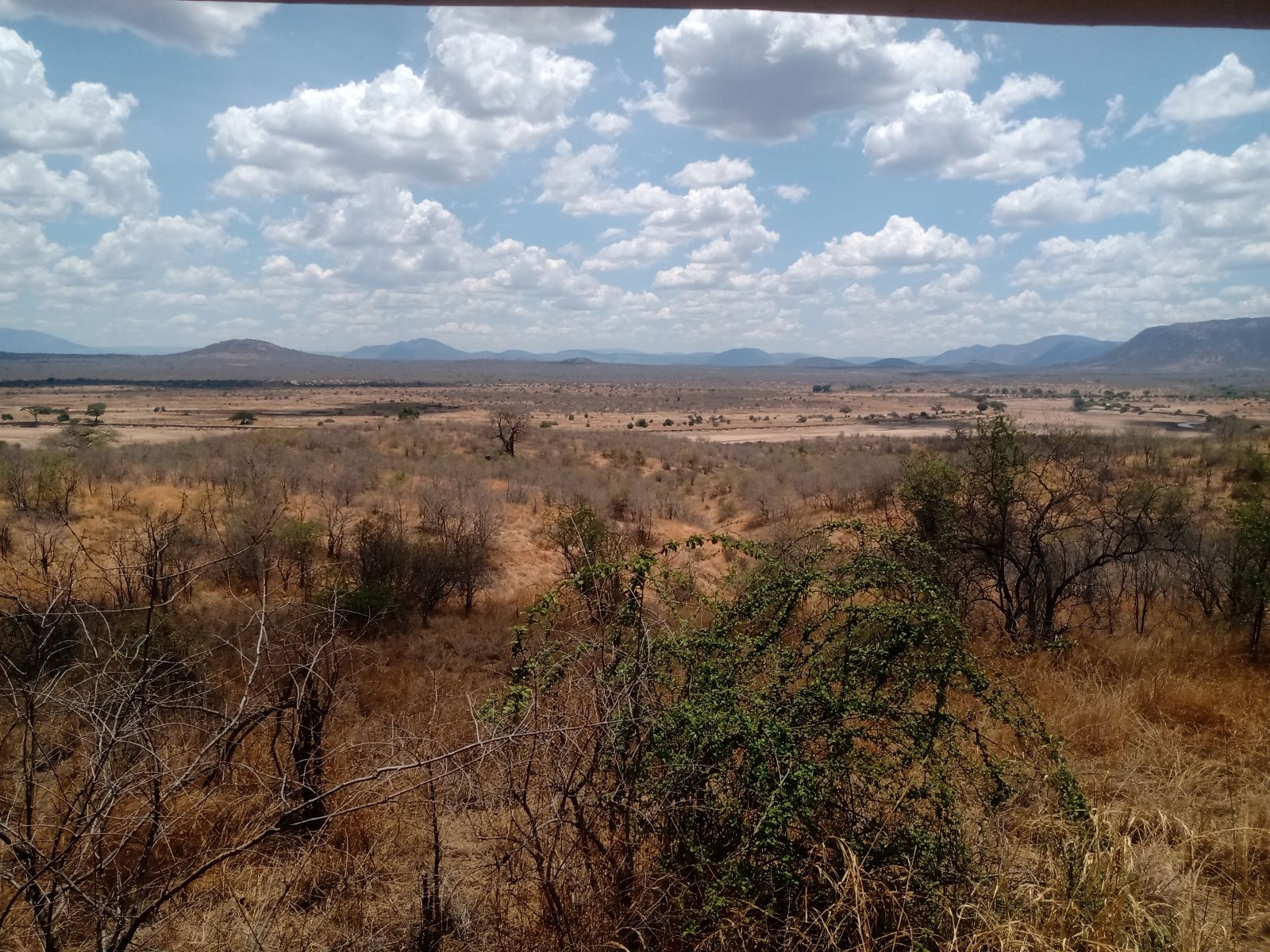
Wild dogs move over enormous ranges, so pinning them down is the whole challenge of a wild dog safari. There is no single spot where they always appear. Instead, they roam wide territories, and your best chances come in the central part of the park around the Great Ruaha River and the sandy tributaries, where prey concentrates and where guides pick up fresh tracks. Packs favour open country for hunting and denning sites tucked into the bush, so a good guide reads the signs rather than driving to a fixed location.
Because the dogs cover so much ground in a day, sightings depend heavily on recent information. Guides share reports of where a pack was last seen, and a morning drive often starts by checking the areas where dogs have been active. This is why local knowledge counts for so much here, and why the same park can feel empty of dogs one day and produce a superb sighting the next. A camp with guides who track the packs closely, and who talk to one another across the park, gives you a real edge over simply hoping to stumble across a sighting.
Wild Dog Denning Areas and the Best Time to Track Them
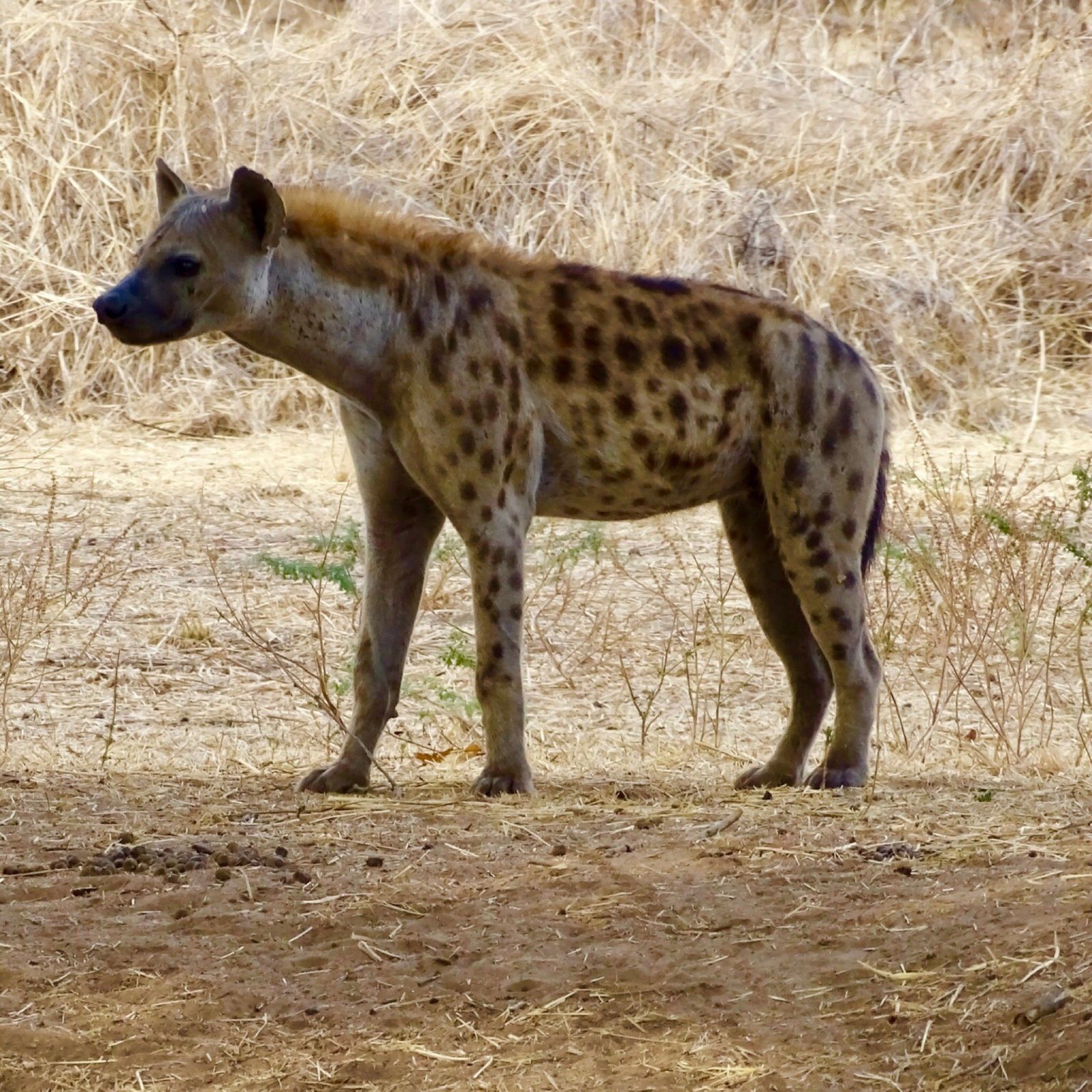
The single best time to find wild dogs is the denning season, roughly June and July. During these weeks a pack chooses a den, usually an old aardvark or hyena burrow, and the whole group ties itself to that spot while the pups are too young to travel. For a few weeks the dogs return to the den each day, which turns an animal that normally roams unpredictably into one you can reliably locate. A wild dog tracking safari timed for the denning period is the surest way to see them.
Den sites shift from year to year, so there is no fixed place to point to, but camps and guides know the general areas packs favour and follow the current season’s activity. If wild dogs are your priority, plan your visit for early in the dry season and let your camp know well ahead, so the drives can work around wherever the dogs have denned that year.
For most of the year a wild dog pack is a moving target across a park bigger than the Serengeti. In the denning weeks it stays put, and that is the window that turns a hope into a real chance.
The Great Ruaha River and Sand Rivers for Wild Dog Sightings
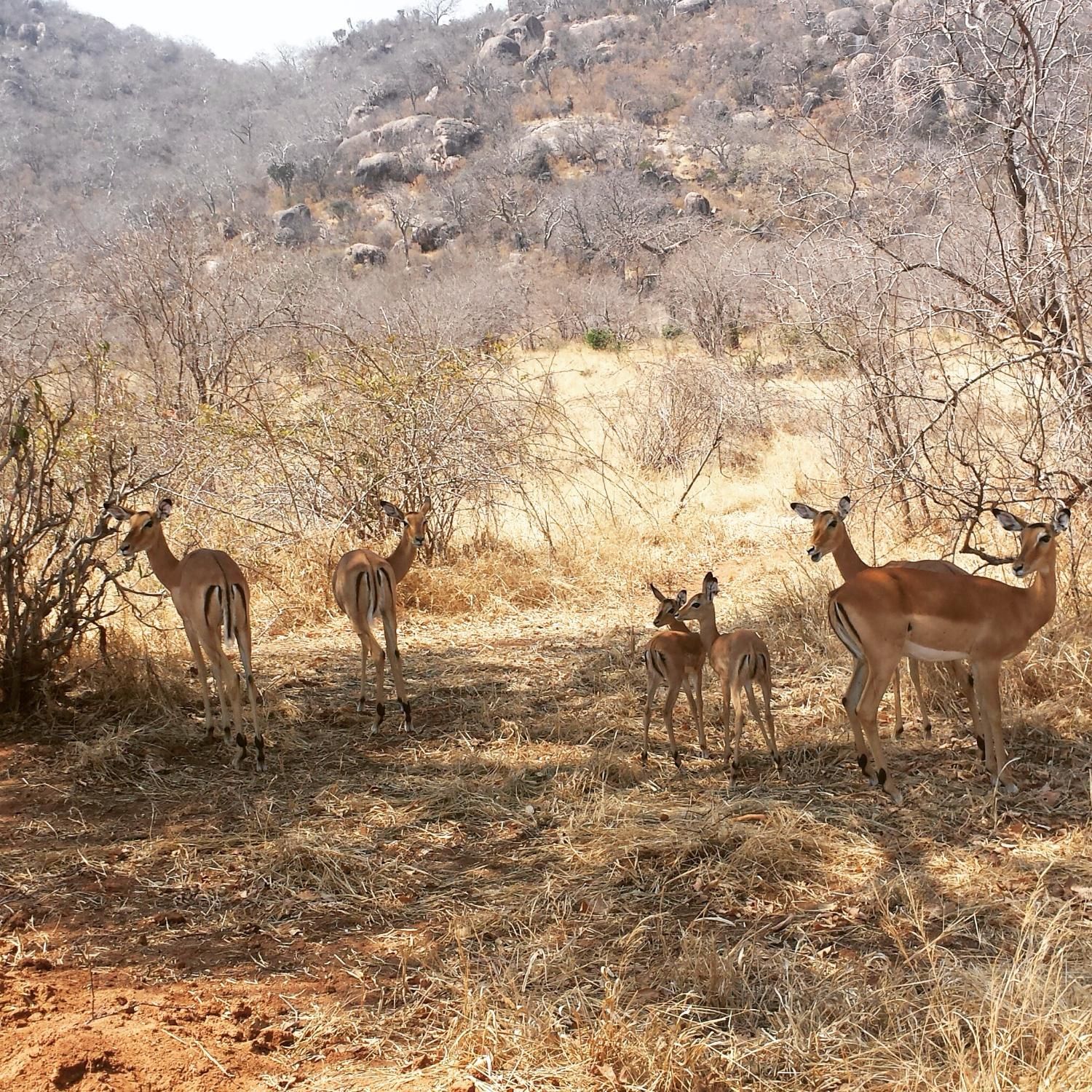
Outside the denning season, the river country gives you the best shot. Wild dogs follow the prey, and in the dry season the impala, kudu and other antelope draw toward the river and its sand tributaries like the Mwagusi. Packs work these corridors, hunting at dawn and dusk when the air is cool, so an early or late drive along the river country is where a chance sighting is most likely. The open ground near the water also makes it easier to spot a pack on the move and to follow a hunt if one unfolds.
Why Ruaha Is a Wild Dog Stronghold
Ruaha matters for wild dogs in a way few parks do. With around a hundred living here, it holds one of the largest remaining populations of a species that has vanished across most of its old range. The park’s vast size and its place at the heart of a much wider protected ecosystem give the dogs the room they need, since packs range over huge territories and cannot survive in small, hemmed-in reserves. That space, more than anything, is why Ruaha remains a refuge for them while so many other areas have lost their dogs entirely.
Long-running carnivore research in the greater Ruaha area has helped build understanding of the dogs and the other predators, and conservation work with surrounding communities aims to reduce the conflict that threatens them elsewhere. For a visitor, the upshot is simple. A Ruaha safari is one of the better places in Africa to look for wild dogs, and seeing them here supports a population that genuinely needs the wilderness kept intact.
How Wild Dog Tracking Safaris Work in Ruaha
A wild dog sighting usually starts with a plan and a bit of luck. Guides begin by checking known active areas and looking for fresh tracks, droppings and the alarm behaviour of prey animals that signals dogs nearby. Radios and shared reports between vehicles help, since a pack found by one guide can be reached by another before it moves on. Once located, a pack is often busy, either resting up through the heat or moving with real purpose toward a hunt.
Patience is the key skill. Dogs can rest for hours and then explode into a hunt with almost no warning, so a guide who finds a resting pack may choose to wait rather than move on. That wait can be rewarded with one of the most dynamic sightings in Africa, as the pack rouses, greets each other in a swirl of excitement, and sets off. A wild dog tracking safari rewards the traveller willing to sit with a sighting rather than rush to the next thing.
What to Expect on a Wild Dog Sighting
Wild dogs are unlike any other predator to watch. They are intensely social, greeting each other with excited calls and body-twisting displays before a hunt, and they cooperate closely when they run down prey. A pack on the move covers ground fast and rarely fails once committed, so a hunt is dramatic and quick. Between hunts, the dogs rest in a heap, play, and interact in ways that feel almost tame until they switch on.
Set your expectations honestly, though. Even in a stronghold like Ruaha, and even in the denning season, wild dogs are never guaranteed, and a run of drives can pass without them before a single outing delivers a superb sighting. That unpredictability is part of what makes finding them so satisfying. Treat a wild dog sighting as a prize earned, not a certainty booked.
Tips to Improve Your Wild Dog Odds on Safari
A few choices tilt the odds your way. Visit in the denning months of June and July when the dogs stay near one spot. Stay several nights rather than one or two, since more drives mean more chances at a wide-ranging animal. Tell your camp that wild dogs are your priority so the guides can plan around current activity. Choose a camp in the central river country where packs are often active, and be ready for early starts, since dawn is prime hunting time. Above all, bring patience, because the traveller who waits with a resting pack is the one who sees the hunt.
Best Time of Year for Wild Dog Safaris in Ruaha
The dry season overall, and June to July in particular, is the best time for a wild dog safari. Early dry season brings the denning period that anchors the packs, while the wider dry months keep prey concentrated on the river where the dogs hunt. In the green season from November to April the dogs disperse widely as water and prey spread across the park, making sightings less reliable, though never impossible. For the best realistic chance, aim for the first half of the dry season and build in enough nights to give the search time to pay off.
Frequently Asked Questions
How many wild dogs are in Ruaha?
Around a hundred African wild dogs live in the park, making it one of the largest remaining populations of this endangered species anywhere. Their numbers, combined with the park’s vast size, are why Ruaha is regarded as a genuine stronghold for wild dogs on a continent where they have disappeared from most of their former range.
When is the best time to see wild dogs in Ruaha?
The denning season of June and July offers the best odds, because a pack settles near one den and stops ranging while the pups are small, so it can be reliably located. The wider dry season is also good, as prey concentrates on the river where the dogs hunt. Sightings are never guaranteed at any time given how far the dogs roam.
Where in Ruaha are wild dogs most often seen?
There is no fixed spot, since dogs range widely, but the central park around the Great Ruaha River and its sand tributaries offers the best chances, especially at dawn and dusk when the dogs hunt. During denning, packs stay near their chosen den, and guides follow the current season’s activity to locate them.
Are wild dog sightings guaranteed in Ruaha?
No. Even in a stronghold like Ruaha, wild dogs range over huge areas and are never guaranteed. What the park offers is one of the better realistic chances in Africa, especially in the denning season and over a stay of several nights. Treat a sighting as a bonus earned rather than a certainty.
How much does a wild dog safari in Ruaha cost?
The cost is the same as any Ruaha safari, since tracking dogs happens on standard game drives. Park entry for a non-resident adult is currently around 30 US dollars per person for each 24 hours before 18 percent VAT, with reduced rates for residents and East African citizens. Flights from Dar es Salaam have commonly run around 380 dollars per person each way, and accommodation ranges by tier. Confirm current fees with TANAPA before you travel.
Plan Your Ruaha Safari
Finding wild dogs takes timing, patience and a guide who knows where the packs have been active, so this is one sighting where local knowledge really pays off. The safari companies and tour operators listed on this website run drives across Ruaha through the denning season and beyond, and they can plan your trip around the best realistic chance of a sighting rather than promising the earth.
Whether the budget is tight or open, the drives get built around what you most want to see, and the flights, park bookings and camp choices are handled in the background so none of the admin lands on you. Want a proper quote, or just a steer on timing a wild dog trip? Reach out to the operators listed here, and a real person, not a bot, will get back to you.