6 Day Ruaha And Nyerere Safari
Destinations: Tanzania, Ruaha National Park and Nyerere National Park (Selous)
This trip puts Tanzania’s two great southern parks back to back and links them by light aircraft, so you swap the vehicle for a boat halfway through. Three nights in Ruaha, the largest park in the country at over 20,000 square kilometres give you its big lion prides and elephant-filled sand rivers. Then a short flight drops you at Nyerere, a 30,893 square kilometre park carved from the old Selous where the Rufiji River opens up a whole different way to watch wildlife, from the water.
Day By Day
Day 1 Fly To Ruaha And Afternoon Game Drive
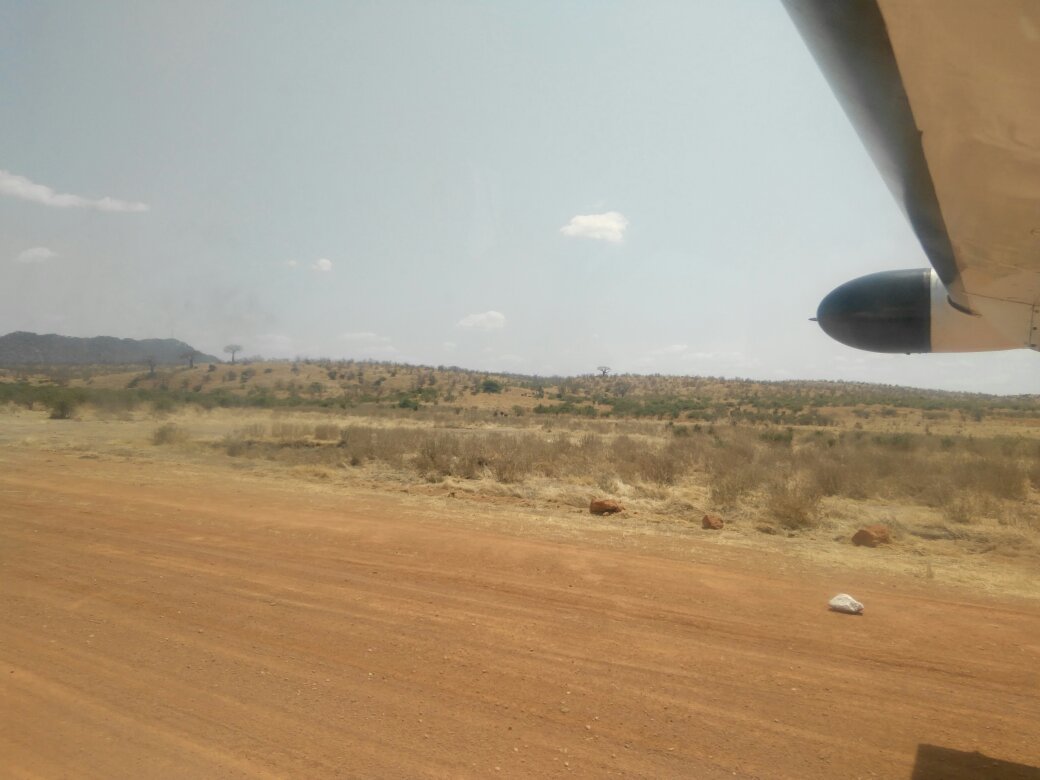
You fly in from Dar es Salaam or Iringa, a hop of roughly two hours over the Southern Highlands, and land on the gravel at Msembe airstrip. Your guide meets you and the drive to camp works as your first game drive along the Great Ruaha River.
Even this first afternoon the park shows its hand. Elephant work the riverbanks in the dry months, giraffe browse the acacia, and the guide starts reading the ground for lion, Ruaha holds around ten percent of the world’s lions in prides that can top twenty animals. Baobabs stand over it all, thick-trunked and ancient. You reach camp as the light goes, hippo grunting on the water below, and settle in for dinner under the stars with the sounds of the river close by.
Day 2 Full Day In Ruaha
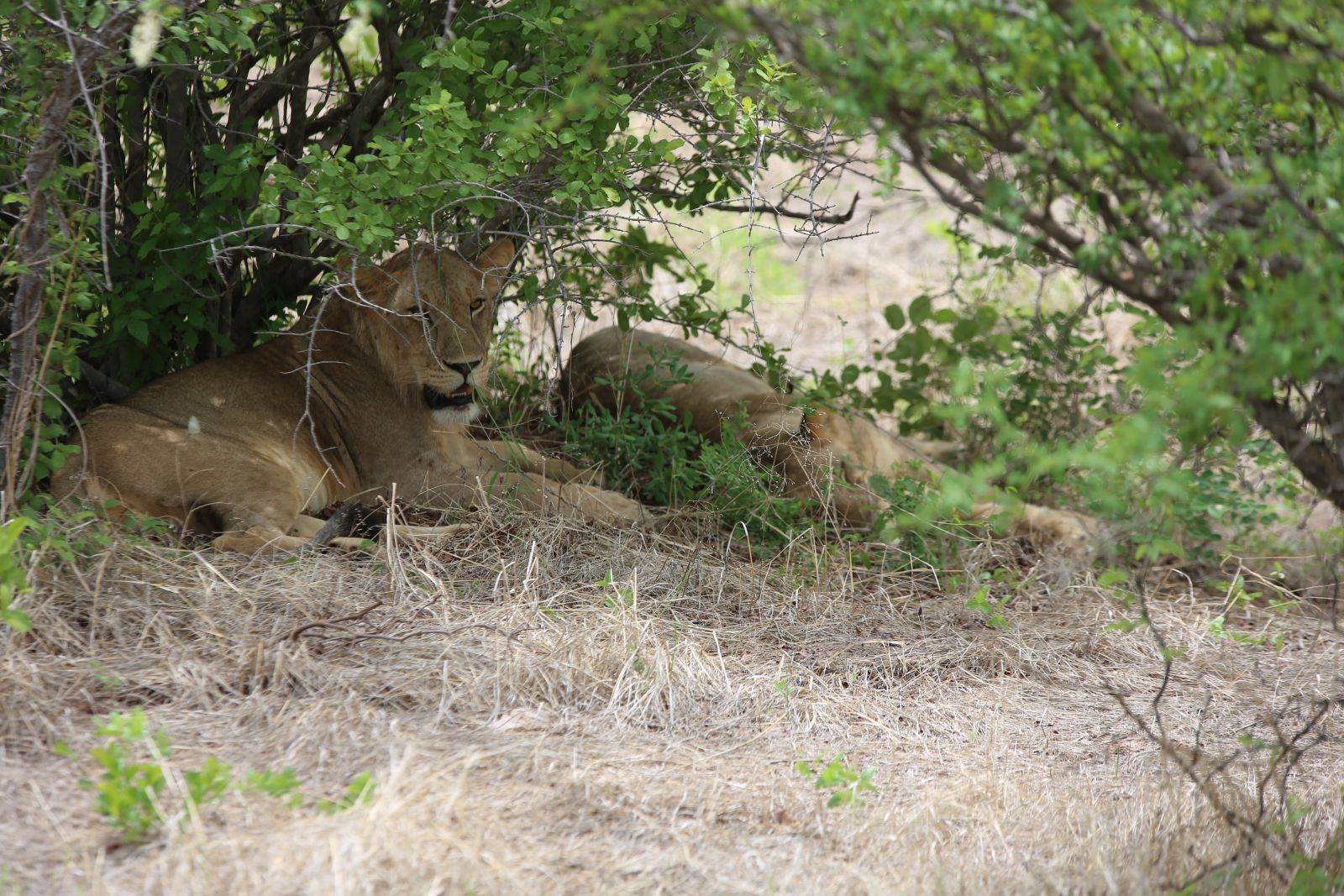
A full day to range along the Great Ruaha River and the sand rivers that feed it. Out at dawn with breakfast packed, you have the cool early hours for predators, lion still out from the night, leopard sliding for cover, and the African wild dogs that make Ruaha one of the best places on the continent to see them.
As the dry season bites, the shrinking river pulls everything to water. Elephant come down from a greater population of around 12,000 buffalo churn the crossings, and Ruaha’s specials, greater and lesser kudu, sable, roan, show themselves in ways they rarely do up north. You break through the heat of midday at camp, then head out again as it cools. With more than 570 bird species on the park list, the river fringe stays busy with fish eagles, bee-eaters and hornbills.
Day 3 Ruaha Morning Then Fly To Nyerere
One last Ruaha drive at first light, the best window for anything still on your list, then back to camp for breakfast and the short transfer to the airstrip. Your light aircraft lifts off and turns southeast, the baobab country giving way to the green ribbon of the Rufiji as you near Nyerere.
You land in the early afternoon and the change is immediate. Nyerere is 30,893 square kilometres gazetted in 2019 from the northern Selous, and the country here is softer, palm-fringed channels, sandbanks and lakes instead of dry sand rivers. After settling into camp you head out on an afternoon game drive, watching for the elephant and buffalo herds the park is known for, and for the lion and leopard that hunt the woodland edges. Sundown over the river, with hippo surfacing, is how the day ends.
Day 4 Rufiji River Boat Safari
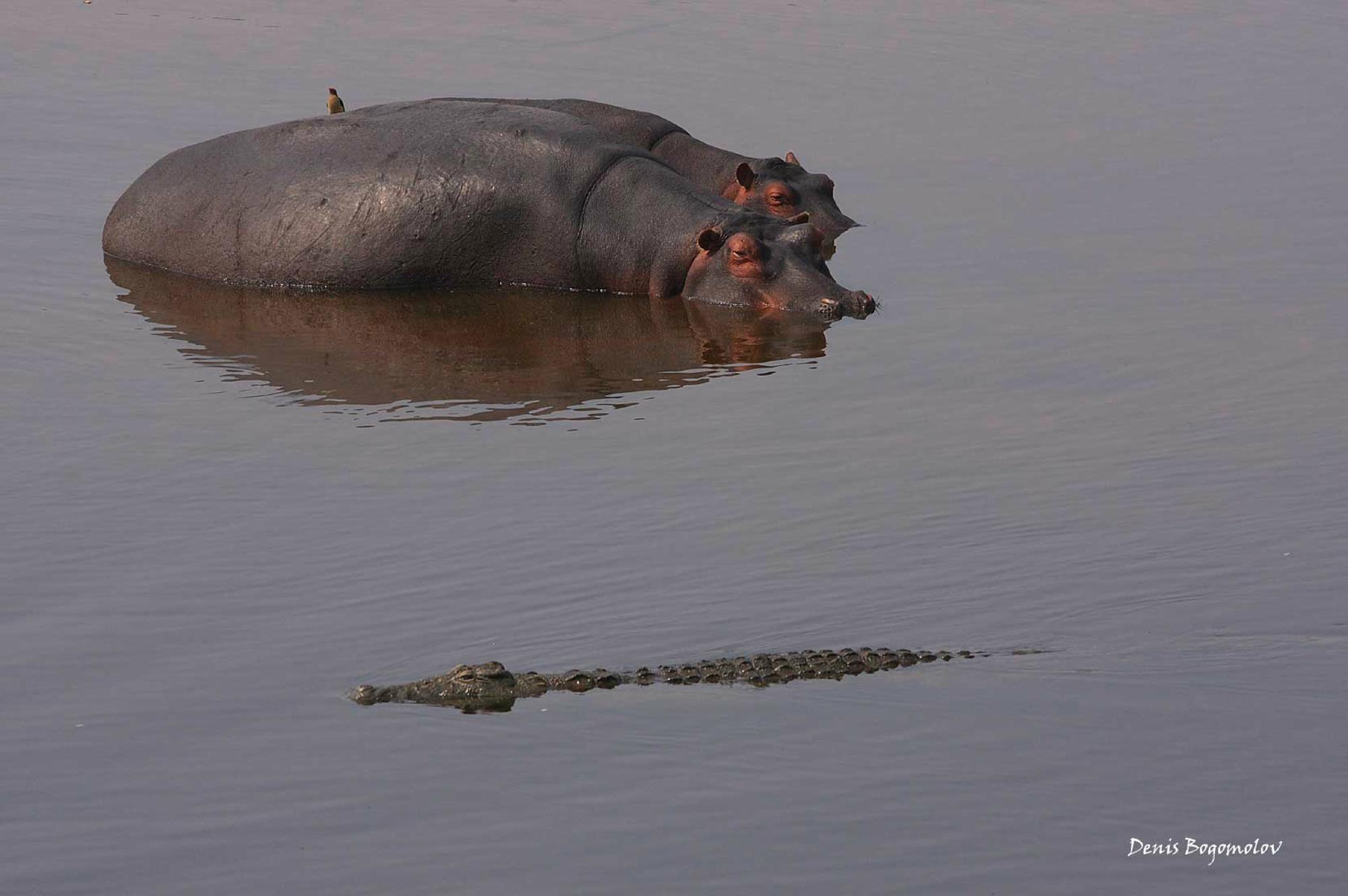
Today you trade the vehicle for a boat. The Rufiji is the largest river in Tanzania winding more than 250 kilometres through the park before it reaches the sea, and it fans out into a maze of channels and lakes that hold crocodile and hippo in some of the highest densities in Africa. A boat safari puts you at water level with all of it.
You drift past pods of hippo, watch big crocodiles slide off the sandbanks, and the birding from the water is the best of the trip, fish eagles, skimmers, kingfishers and bee-eaters along the banks. Elephant come down to drink and cross between islands. Later you can swap back to a game drive on land, where Nyerere holds one of the continent’s important strongholds for endangered African wild dog. It is a slower, quieter way to watch wildlife than the drives in Ruaha, and the contrast is the whole point.
Day 5 Game Drive And Walking Safari In Nyerere
Nyerere lets you get out of the vehicle, which the national parks up north do not. This morning you walk with an armed ranger, reading tracks and dung, learning the small things a drive skims past, the birds, the insects, the way the bush fits together. On foot the scale of the place lands differently, and buffalo or elephant seen from the ground raise the pulse in a way they never do from a car.
Later a game drive works the lakes and channels where game concentrates in the dry season. This is good country for lion and for the greater kudu and sable that both southern parks share. In the afternoon you can take another short boat run, or simply sit at camp over the river as the light softens and the hippo start to move. Two very different parks, two very different rhythms, and by now you feel the difference in your bones.
Day 6 Morning Then Fly Out
A final morning, a boat drift or a short drive, your pick, before the flight home. The Rufiji is quiet at first light, mist lifting off the water, the birds loud along the banks. You make the most of it, then head back to camp for breakfast and the transfer to the airstrip.
Your light aircraft flies you back to Dar es Salaam, where you connect to Zanzibar, the coast or an international flight. Six days across Ruaha and Nyerere gives you the two sides of southern Tanzania that matter most, the dry, big-cat wilderness of Ruaha and the water-and-woodland world of the Rufiji, without either one feeling rushed, and with the flights doing the hard travelling so your days stay on the wildlife.
What’s Included
- Return light-aircraft flights and the Ruaha–Nyerere hop
- Five nights full-board accommodation (three Ruaha, two Nyerere)
- Game drives, one Rufiji River boat safari and one guided walk
- Ruaha and Nyerere park entry fees for the days shown
- Airstrip transfers and drinking water in the vehicle
What’s Not Included
- International flights and Tanzania visa
- Travel insurance
- Extra boat trips or walks beyond those listed
- Drinks, tips and personal items
Why Does This Tanzania Safari Stand Out?
Ruaha and Nyerere are the two parks that make southern Tanzania worth the trip, and doing them together gives you range no single park can. Ruaha is dry, wild and cat-heavy, a tenth of the world’s lions elephant on the sand rivers, a real shot at wild dog. Nyerere flips it: the Rufiji, Tanzania’s largest river opens up boat safaris you cannot do up north, drifting past hippo and crocodile at water level, and the park lets you walk with a ranger. You come away having watched wildlife three ways, from a vehicle, from a boat and on foot, in two parks that between them cover more than 50,000 square kilometres and see a fraction of the crowds the Serengeti does. For a traveller who wants variety and space over a single famous name, six days linking Ruaha and Nyerere is one of the best-value routes in the country.
Can You Do a Tanzania Safari in 6 Days?
Six days, split three and two across the two parks with a travel day between, is a well-judged length. You get a full day plus arrival drives in Ruaha, and in Nyerere you fit a boat safari, a walk and game drives, enough to feel each park properly rather than tick it off. It suits travellers who value contrast and do not want to spend the trip in a vehicle. What six days cannot do is reach the far corners of either park; Ruaha alone runs to over 20,000 square kilometres and Nyerere is larger still. If wild dog or leopard sit at the top of your list, more nights raise the odds. And travellers with longer can fold in Mikumi for a fuller southern circuit, or finish on Zanzibar for the beach. As a two-park core, though, six days across Ruaha and Nyerere is hard to beat.
How Much Is This Tanzania Safari Per Person?
Two parks and two internal flights put this in the mid-to-upper range. Your costs are the flights and the Ruaha–Nyerere hop, five nights of camps, the boat safari and guided walk, and park fees of about USD 35 per adult per day in each park once VAT is counted; Ruaha’s is USD 30 at the gate for a non-resident adult, plus 18% VAT. TANAPA reviews these each fiscal year, so they are indicative. Camp level is the big lever, from simple tented camps to the smarter river camps on the Rufiji and the escarpment camps in Ruaha. As a guide, most six-day trips run from around USD 2,800 to 5,500 per person sharing, dearer in the June to October dry season and cheaper in the green months. Sharing a vehicle and boat between four keeps the per-person figure down. Send an operator your dates, group size and camp style for a firm quote.
Background Reading for This Route
Two rivers carry this trip. The Great Ruaha River explains what the dry season does to the first half, and Hippo and Crocodile Viewing in Ruaha National Park covers what you are looking at on the water. For the flights, see How Do Fly-In Safaris to Ruaha Work?, and for the park in general the Ruaha National Park: Complete Safari Guide.
If a third park appeals, the 7 Day Southern Tanzania Safari adds Mikumi to this same pair, while the 5 Day Ruaha And Mikumi Safari is the shorter, road-linked version.
This is an independent guide with nothing to sell. When the dates and camps are settled, the operators who run Ruaha safaris will quote it, and the enquiry form on the homepage is the quickest way to reach them.