How Do Fly-In Safaris to Ruaha Work?
A fly-in safari to Ruaha works by flying you in a light aircraft from Dar es Salaam, Zanzibar or a neighbouring park to an airstrip inside the park, usually Msembe or Jongomero, in around two to two and a half hours, where your camp meets you and the drive to your tent becomes your first game viewing. Ruaha is one of Tanzania’s largest national parks, in the south-central Iringa Region, and the anchor of the country’s quieter southern safari circuit.
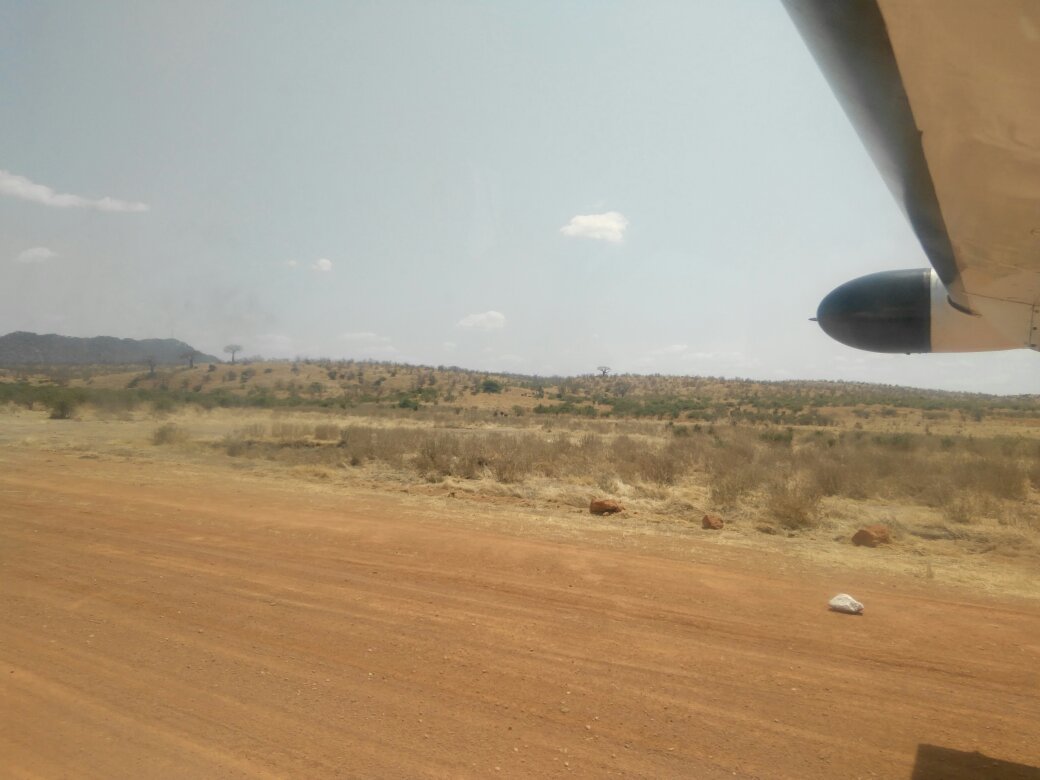
What a Fly-In Safari to Ruaha Involves
The idea behind a fly-in safari is simple: skip the long road trip and reach the park quickly and comfortably by air. Instead of the eight to ten hour drive from Dar es Salaam, you board a small plane and arrive in a couple of hours, landing at an airstrip inside the park itself. Your camp arranges the flight as part of the package, so you are not booking connections separately, and a guide meets you off the plane. From the airstrip, the transfer to camp runs through the bush, so the safari starts the moment you land rather than after a tiring day on the road.
For most visitors, this is the standard way to experience Ruaha. The park’s remoteness makes flying the practical choice, and the time saved lets you spend your days on game drives rather than on the road. It also means Ruaha slots easily into a wider trip, since the same light-aircraft network links it to the coast and the other parks.
A typical fly-in day looks like this. You leave your city or beach hotel in the morning, check in for a short domestic flight, and are airborne in a small plane within an hour or two. After the flight and any brief stop along the way, you touch down at a bush airstrip, meet your guide, and set off on a game drive that carries you to camp in time for lunch or the afternoon outing. By the evening of your arrival day you are already on safari, watching the sun drop over the bush, which is a world away from spending that same day grinding along a dusty road.
Where Fly-In Safaris to Ruaha Depart From
Most fly-in safaris begin in Dar es Salaam, where international flights arrive at Julius Nyerere International Airport and connect to the light aircraft that serve the park. Zanzibar is the other common departure point, which is why so many people pair a Ruaha safari with a beach stay on the island. Beyond these, flights link Ruaha with the other southern parks like Nyerere and Mikumi, and there are connections from Arusha and even a service tying the park to the Serengeti, so you can reach Ruaha from either the northern or southern circuit. Wherever you start, the flight lands you at an airstrip inside the park.
The Light Aircraft and Airlines on the Ruaha Route
The planes are small, typically holding a handful of passengers, and they are flown by domestic carriers that specialise in these bush routes. Names you will see on the Ruaha run include Coastal Aviation, Auric Air, Safari Air Link and Flightlink. The flights are scheduled or chartered, and because the southern circuit is quieter than the north, frequency is lower and timings can shift with the season, so it pays to have your operator hold seats early. Flying in a small plane over the bush is part of the appeal, with baobab country and the winding Great Ruaha River laid out below on the approach.
The small size of the aircraft is worth picturing if you have not flown one before. These are typically single or twin propeller planes seating a handful of passengers, so the cabin is snug and you sit close to the pilot with a clear view out. The flying is low and scenic rather than high and featureless, giving you a real sense of the country unrolling beneath you. Nervous flyers sometimes find the small planes take a little getting used to, but the pilots fly these routes daily and the short hops are over quickly, with the reward of an arrival deep in the bush that no road can match.
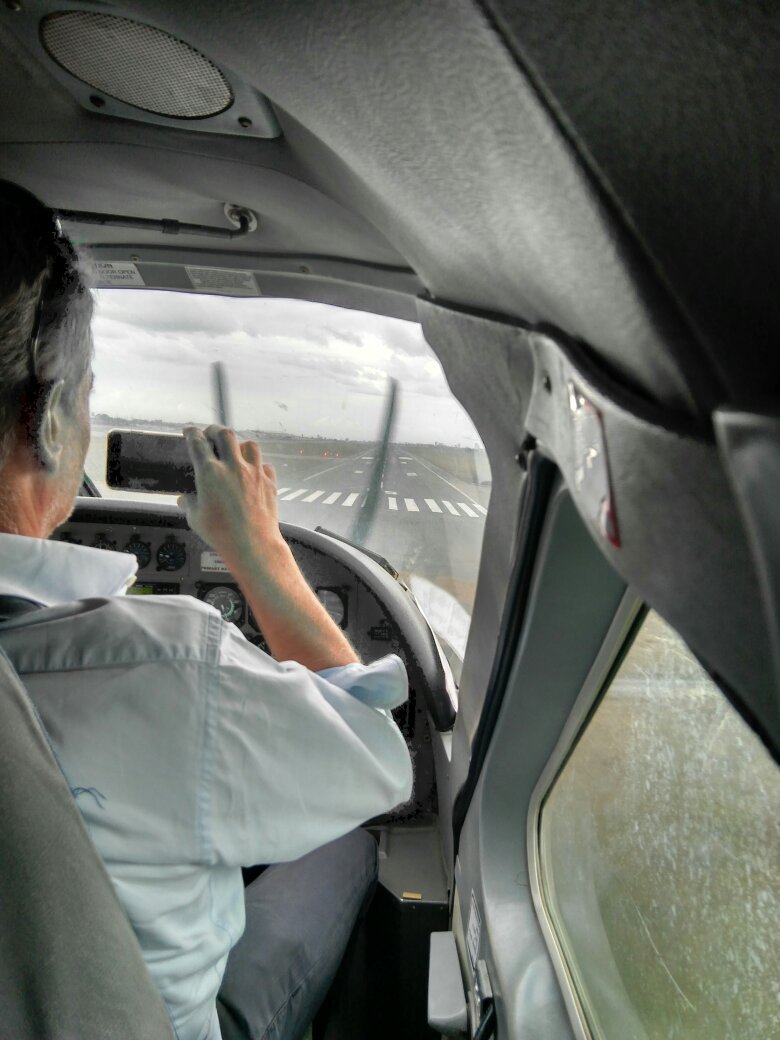
Your plane may touch down at Mikumi or Nyerere on the way in or out, depending on where other passengers are headed. Rather than a delay, treat it as a bonus aerial look at the other southern parks. The camp still meets you at whichever strip serves your booking.
Landing at Msembe and Jongomero Airstrips
Ruaha has two airstrips, and which one you use depends on your camp. Msembe, beside park headquarters, is the main strip where most scheduled flights land and where the central camps collect their guests. Jongomero, in the remote south near the Jongomero Ranger Post, serves the camps in that quieter sector. On landing, there is a brief registration, and then your guide is waiting with a 4×4 to take you on. The strips are simple bush airfields rather than terminals, so the whole arrival is quick and informal, a world away from a busy airport.
Transfers From the Airstrip to Your Camp
The transfer from the airstrip to camp is where a Ruaha safari really begins. Rather than a dull shuttle, the drive runs through the bush in an open game viewer, so it doubles as your first game drive, and sightings often come before you reach your tent. Depending on your camp, this transfer might take twenty minutes or the better part of an hour, and your guide uses it to start reading the park for you. It is one of the quiet pleasures of flying in, since the safari mindset switches on the moment you step off the plane.

Luggage Limits on a Fly-In Safari
The one real constraint of a fly-in is luggage. Light aircraft hold you to a strict weight limit, commonly around 15 kilograms, and they want a soft duffel or holdall rather than a hard case, since soft bags pack into the small hold far more easily. Weigh your bag before you leave and pack light, which is easy enough since you need little on safari and most camps offer laundry. If your trip includes a city or beach leg, many people leave a larger case in Dar es Salaam or Zanzibar and take only the soft bag into the park, which sidesteps the limit neatly.
Combining a Fly-In Safari With Other Parks or Zanzibar
The great strength of a fly-in is how easily it links Ruaha to the rest of a trip. Because the light-aircraft network connects the park to Zanzibar, the other southern parks and beyond, you can build a route that flows without long backtracking. A classic shape runs a few nights on safari in Ruaha and then a flight straight to Zanzibar for the beach, wild first and restful second. Others combine Ruaha with Nyerere or Mikumi for a fuller southern circuit, hopping between them by air. A fly-in safari makes these combinations painless, which is a big part of why so many Tanzania itineraries are built around flying. The single light-aircraft ticket that links safari to beach saves a full day of travel that a road transfer would swallow, so your holiday time goes on the experiences rather than the transfers.
Fly-In Versus Road Safari to Ruaha
The alternative to flying is the road, and the choice comes down to time, budget and taste. Flying is fast and comfortable, dropping you into game country in a couple of hours, and it is the usual pick for shorter, higher-end trips. Driving is cheaper and gives a real look at rural Tanzania, but it takes most of a day each way from Dar es Salaam, with the last stretch on gravel. Many people fly for the ease and the time saved, while travellers watching the overall budget, with time to spare, choose the road. Whichever you pick, the no-night-driving rule means arriving before dark, which fly-in schedules handle automatically.
Frequently Asked Questions
How long is the flight to Ruaha?
From Dar es Salaam, the light-aircraft flight takes about two to two and a half hours to an airstrip inside the park. Flights from Zanzibar take longer because of the routing, and connections from other parks vary. Your plane may make a short stop at Mikumi or Nyerere along the way depending on other passengers.
Which airlines fly to Ruaha?
Domestic carriers that specialise in bush routes serve the park, including Coastal Aviation, Auric Air, Safari Air Link and Flightlink. Flights are scheduled or chartered, and because the southern circuit is quieter, frequency is lower and timings shift with the season, so it helps to book early through your operator.
How much does a fly-in safari to Ruaha cost?
Flights are the main added cost over a road trip. A light-aircraft flight from Dar es Salaam has commonly run at around 380 US dollars per person each way, with connections from Zanzibar or other parks costing more. On top come park fees, currently around 30 dollars per non-resident adult per 24 hours before 18 percent VAT, and accommodation. Confirm current figures with your operator and TANAPA before you travel.
What is the luggage limit on a fly-in safari?
Light aircraft usually limit you to around 15 kilograms in a soft duffel or holdall rather than a hard case, though the exact allowance varies by carrier, so check yours. Pack light, weigh your bag before you leave, and consider leaving a larger case in Dar es Salaam or Zanzibar if your trip includes a city or beach leg.
Do I need to arrange the flights myself?
No. On a fly-in safari your camp or operator arranges the flights as part of the package and meets you at the airstrip, so you are not booking connections separately. This is one of the conveniences of flying in, since the timings, transfers and park bookings are handled for you.
Plan Your Ruaha Safari
A fly-in safari has a few moving parts, from flight timings to luggage limits to airstrip transfers, and it is far easier when someone who runs these trips handles the details. The safari companies and tour operators listed on this website arrange fly-in safaris to Ruaha from Dar es Salaam, Zanzibar and the other parks, matching the flights and airstrip to your camp so the whole thing flows.
Whether the budget is tight or open, the flights, transfers and park bookings are handled in the background so none of the logistics land on you. Want a proper quote, or just a steer on building a fly-in trip? Reach out to the operators listed here, and a real person, not a bot, will get back to you.