Fly-In Safari in Ruaha National Park
A fly-in safari in Ruaha National Park is the quick, scenic way to reach this remote park, swapping a long overland drive for a light-aircraft flight over the bush that drops you at an airstrip inside the park, where your camp meets you and the safari begins at once. It is how most visitors arrive. Ruaha is one of Tanzania’s largest national parks, in the south-central Iringa Region, and the anchor of the country’s quieter southern safari circuit.
The Fly-In Safari Experience in Ruaha
A fly-in safari is as much a part of the experience as the game drives themselves. Rather than spending a long day on the road, you board a small plane and are in the park within a couple of hours, and the flight over the bush, with baobab country and the winding Great Ruaha River laid out below, is a memorable start to the trip. For a park as remote as Ruaha, flying is not just convenient but genuinely enjoyable.
The appeal is the combination of speed, comfort and spectacle. You save the better part of two days of overland travel, you arrive fresh rather than road-weary, and you get an aerial perspective on the vast wilderness you are about to explore. By the time you land, the safari has already begun in your head, and the transfer from the airstrip to camp turns it into reality on a Ruaha safari.
The Flight In and the View From Above
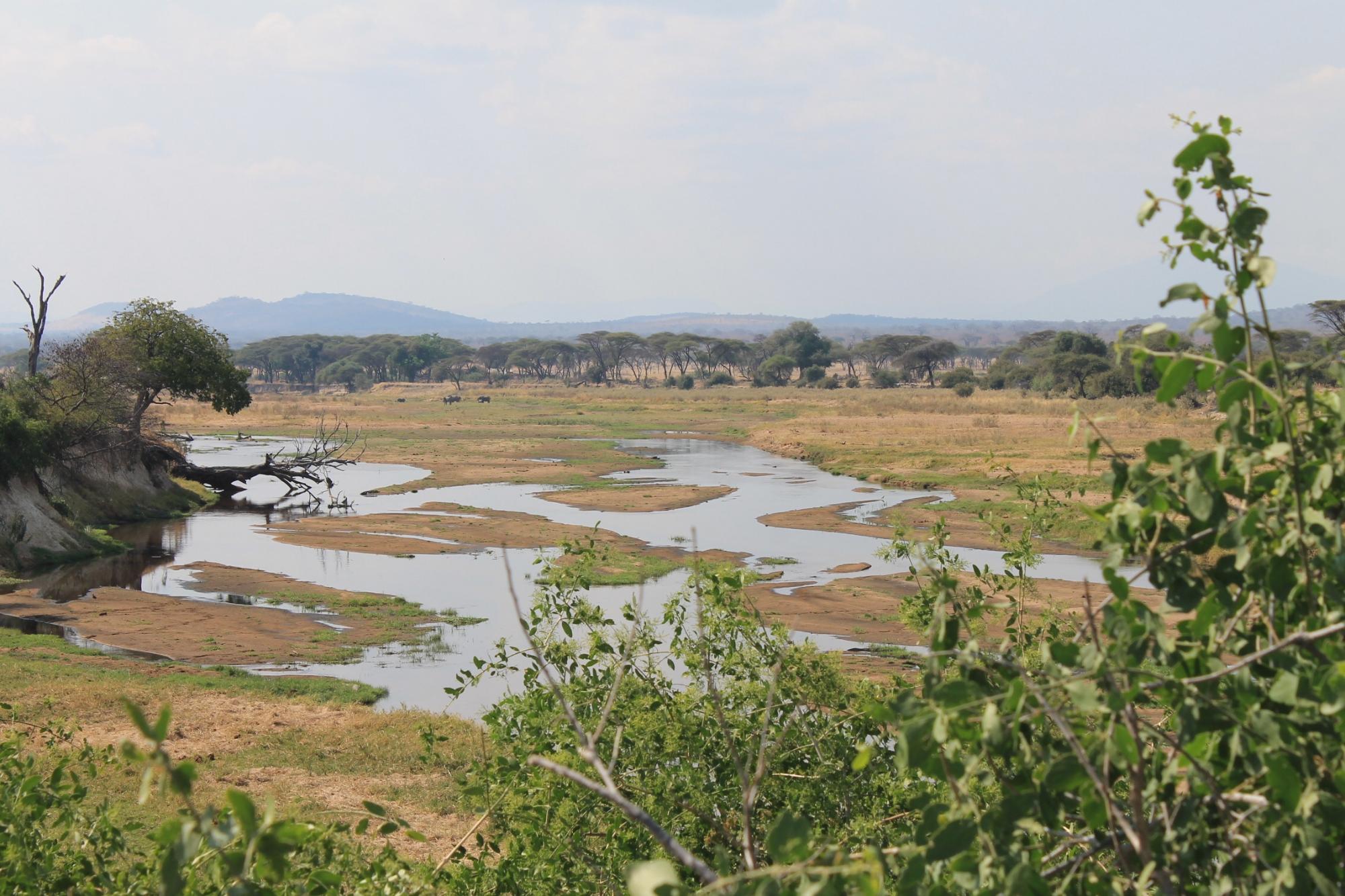
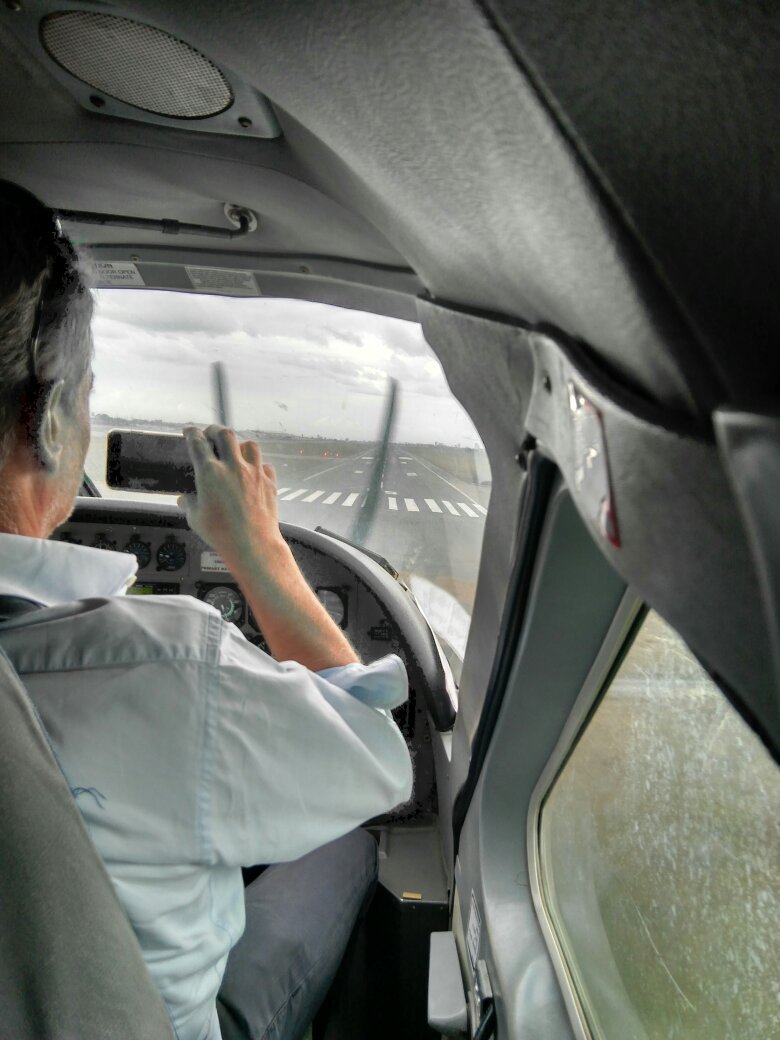
The flight itself is a highlight worth savouring. The aircraft are small, typically seating a handful of passengers, and they fly low and scenic rather than high and featureless, so you sit close to the pilot with a clear view out over the country. As you approach Ruaha, the patchwork of woodland, plain and river unrolls beneath you, and you can often pick out the baobabs and the great sweep of the Great Ruaha River from the air.
For many people, this bird’s-eye view is the moment the scale of the park sinks in. Seeing the sheer size of the wilderness from above, with almost no sign of human presence, sets up the sense of remoteness that defines the trip. Nervous flyers sometimes take a little while to settle into the small planes, but the short hops are over quickly and the reward is an arrival deep in the bush no road can match on a Ruaha safari.
The flight in is not just transport. Watching a park bigger than the Serengeti unroll beneath a small plane, with the river winding through it and barely a road in sight, is where the scale of Ruaha first hits you.
Arriving at the Airstrip and Your First Game Drive
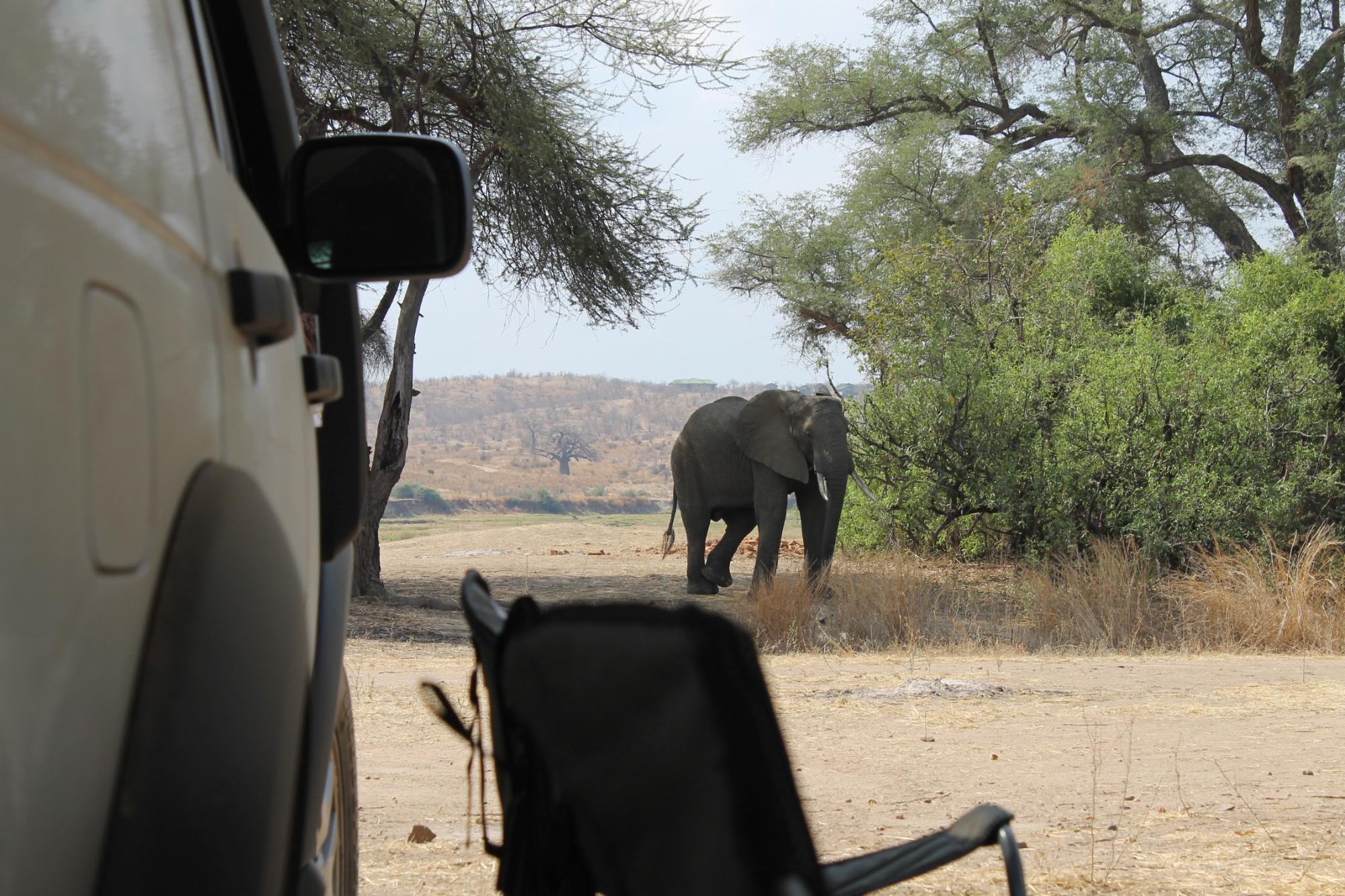
Landing at a bush airstrip is a world away from a busy airport. Ruaha’s airstrips, the main one at Msembe by the park headquarters and Jongomero in the remote south, are simple airfields where you step off the plane, clear a quick registration, and are met by your camp’s guide with a 4×4. There are no terminals or queues, just the bush and your vehicle waiting.
The transfer from the airstrip to camp is the clever part, because it doubles as your first game drive. Rather than a dull shuttle, the drive runs through the park in an open vehicle, so sightings often come before you even reach your tent, and the guide begins reading the country for you straight away. Within minutes of landing you are on safari, which is one of the quiet pleasures of arriving by air on a Ruaha safari.
Why Choose a Fly-In Over a Road Safari
The choice between flying and driving comes down to time, comfort and budget. Flying is fast and easy, dropping you into game country in a couple of hours rather than the eight to ten a road trip from Dar es Salaam takes, and it spares you the long, dusty overland trip. It is the natural choice for shorter trips and for anyone who would rather spend their days on game drives than in transit.
Driving is cheaper and gives a real look at rural Tanzania, so it suits budget travellers with time to spare, but it eats up the better part of two days in travel. For most visitors, especially those on a week or less, flying is well worth the extra cost, since it converts travel time into safari time. The remoteness that makes Ruaha special is exactly what makes a fly-in safari the sensible way in.
There is also the matter of the no-night-driving rule, which quietly favours flying. A road trip from Dar es Salaam realistically needs an overnight stop in Iringa to reach the gate in daylight, since arriving after dark is not allowed, so the drive eats two days rather than one when you account for it. A flight sidesteps the problem entirely, landing you at an airstrip with plenty of daylight left for the transfer to camp. For a traveller on a tight schedule, that saved day can be the difference between three nights in the park and two, which is a real gain for the extra cost of the flight.
Combining a Fly-In Safari With Other Destinations
One of the great strengths of flying is how easily it links Ruaha to the rest of a trip. The light-aircraft network connects the park to Zanzibar, the other southern parks like Nyerere and Mikumi, and beyond, so you can build a route that flows without long backtracking. A classic shape runs a few nights on safari in Ruaha and then a flight straight to Zanzibar for the beach.
This makes a fly-in safari the backbone of many Tanzania itineraries, since it lets you combine bush and beach, or two parks, with a single scenic hop rather than a day of driving between each. If your trip includes more than just Ruaha, flying is what ties it together smoothly, which is a big part of why so many itineraries are built around it on a Ruaha safari.
What to Know Before Your Fly-In Safari
A couple of practical points make flying in go smoothly. The light aircraft hold you to a strict luggage limit, commonly around 15 kilograms in a soft duffel rather than a hard case, so pack light and choose the right bag. If your trip includes a city or beach leg, you can often leave a larger case in Dar es Salaam or Zanzibar and take only the soft bag into the park.
Your camp or operator arranges the flights and meets you at the airstrip, so you are not booking connections yourself, and the timings are set so you arrive in daylight, since the park allows no night driving. Flights may make a brief stop at another park along the way depending on other passengers, which is normal. Sort the luggage and let the operator handle the logistics, and a fly-in safari is about as easy as travel gets. You turn up at the airport, hand over your soft bag, and the next time you really think about logistics you are already on a game drive.
Best Time of Year for a Fly-In Safari in Ruaha
Fly-in safaris run year round, but the dry season from June to October is the most popular, matching the best wildlife viewing, and flight schedules are at their fullest then. Clear dry-season skies also make for smooth, scenic flights. Because the southern circuit is quieter than the north, flight frequency is lower and timings shift with the season, so booking early through your operator matters, especially for the peak months.
In the green season from November to April, flights still operate but with less frequency, and the occasional storm can affect timings, though the green country is beautiful from the air. Whenever you travel, flying remains the easiest way to reach the park, so plan around the wildlife season you want and let the flights follow on your Ruaha safari.
Frequently Asked Questions
How long does the flight to Ruaha take?
From Dar es Salaam, the light-aircraft flight takes about two to two and a half hours to an airstrip inside the park, compared with eight to ten hours by road. Flights from Zanzibar take longer because of the routing, and your plane may make a brief stop at another park along the way depending on other passengers.
Where do fly-in safaris land in Ruaha?
At one of the park’s two airstrips: Msembe, by the park headquarters, where most flights land and the central camps collect guests, or Jongomero in the remote south for camps in that sector. These are simple bush airfields, so you step off the plane, clear a quick registration, and are met by your camp’s vehicle.
Is the transfer from the airstrip a game drive?
Yes, in effect. The drive from the airstrip to camp runs through the park in an open vehicle, so it doubles as your first game drive, with sightings often coming before you reach your tent. Your guide starts reading the country straight away, so the safari begins within minutes of landing.
What is the luggage limit on a fly-in safari?
Light aircraft usually limit you to around 15 kilograms in a soft duffel or holdall rather than a hard case, though the exact allowance varies by carrier, so check yours. Pack light, and if your trip includes a city or beach leg, consider leaving a larger case in Dar es Salaam or Zanzibar and taking only the soft bag into the park.
How much does a fly-in safari cost?
The flights are the main added cost over a road trip. A light-aircraft flight from Dar es Salaam has commonly run around 380 US dollars per person each way, with connections from Zanzibar or other parks costing more. On top come park fees, currently around 30 dollars per non-resident adult per 24 hours before 18 percent VAT, and accommodation. Confirm current figures with your operator and TANAPA before you travel.
Plan Your Ruaha Safari
A fly-in safari has a few moving parts, from flight timings and airstrip transfers to luggage limits, and it is far smoother when someone who runs these trips handles them. The safari companies and tour operators listed on this website arrange fly-in safaris to Ruaha from Dar es Salaam, Zanzibar and the other parks, matching the flights and airstrip to your camp.
Whether the budget is tight or open, the flights, transfers and park bookings are handled in the background so none of the logistics land on you. Want a proper quote, or just a steer on building a fly-in trip? Reach out to the operators listed here, and a real person, not a bot, will get back to you.