7 Day Southern Tanzania Safari
Destinations: Tanzania, Mikumi, Ruaha and Nyerere National Parks
This is the full southern circuit in a week: three parks, each with its own character, linked by short flights so you cover the ground without long days on the road. You open on the open plains of Mikumi move west to the wild baobab country of Ruaha then finish on the Rufiji River in Nyerere with boat safaris and walks. Seven nights is the length most operators point people toward for the south, and it is easy to see why.
Day By Day
Day 1 Dar Es Salaam To Mikumi
You leave the coast after breakfast and drive inland, climbing through the Uluguru foothills to the pass at Mikumi town. The tar road runs straight through Mikumi National Park so the last stretch is a game drive in all but name, elephant, giraffe and impala from the road before you have checked in.
Mikumi is 3,230 square kilometres and the fourth-largest park in the country, and its Mkata floodplain draws comparisons with the Serengeti for the way lion, buffalo and elephant sit out on open grass. You reach your lodge by mid-afternoon with time for a first drive on the floodplain, yellow baboons along the verges and hippo in the pools. Dinner is at the lodge, the sounds of the plain coming in through the night.
Day 2 Game Drives In Mikumi
A full day on the Mkata floodplain. Out early while the grass is wet and the light is low, you work the tracks where the lion prides hunt. Mikumi’s lions are relaxed with vehicles and the open country means you often watch them out in the grass rather than half-hidden in bush.
The floodplain gathers game around its water, herds of elephant, long lines of buffalo, and the Hippo Pools in the north where you can stand at a viewing point above the wallowing pods. Mikumi is strong for plains species: zebra, wildebeest, impala and tall Masai giraffe, with lilac-breasted rollers on every third bush. You rest at the lodge through the midday heat, then head out again for the cooler afternoon when the elephant return to the water and the cats begin to stir.
Day 3 Fly To Ruaha
This morning you leave the plains for the wilderness. A short game drive, then the transfer to Mikumi’s airstrip and a light aircraft west to Ruaha, the baobabs thickening below as you go. You land at Msembe in time for the drive to camp to double as your first Ruaha game drive.
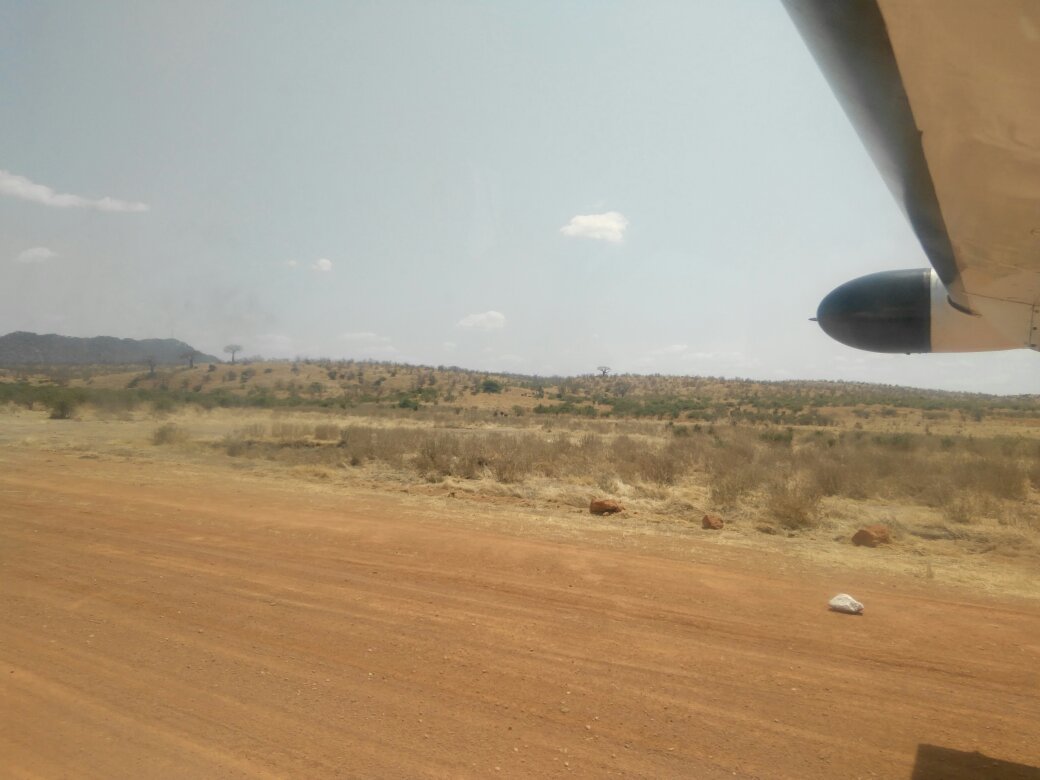
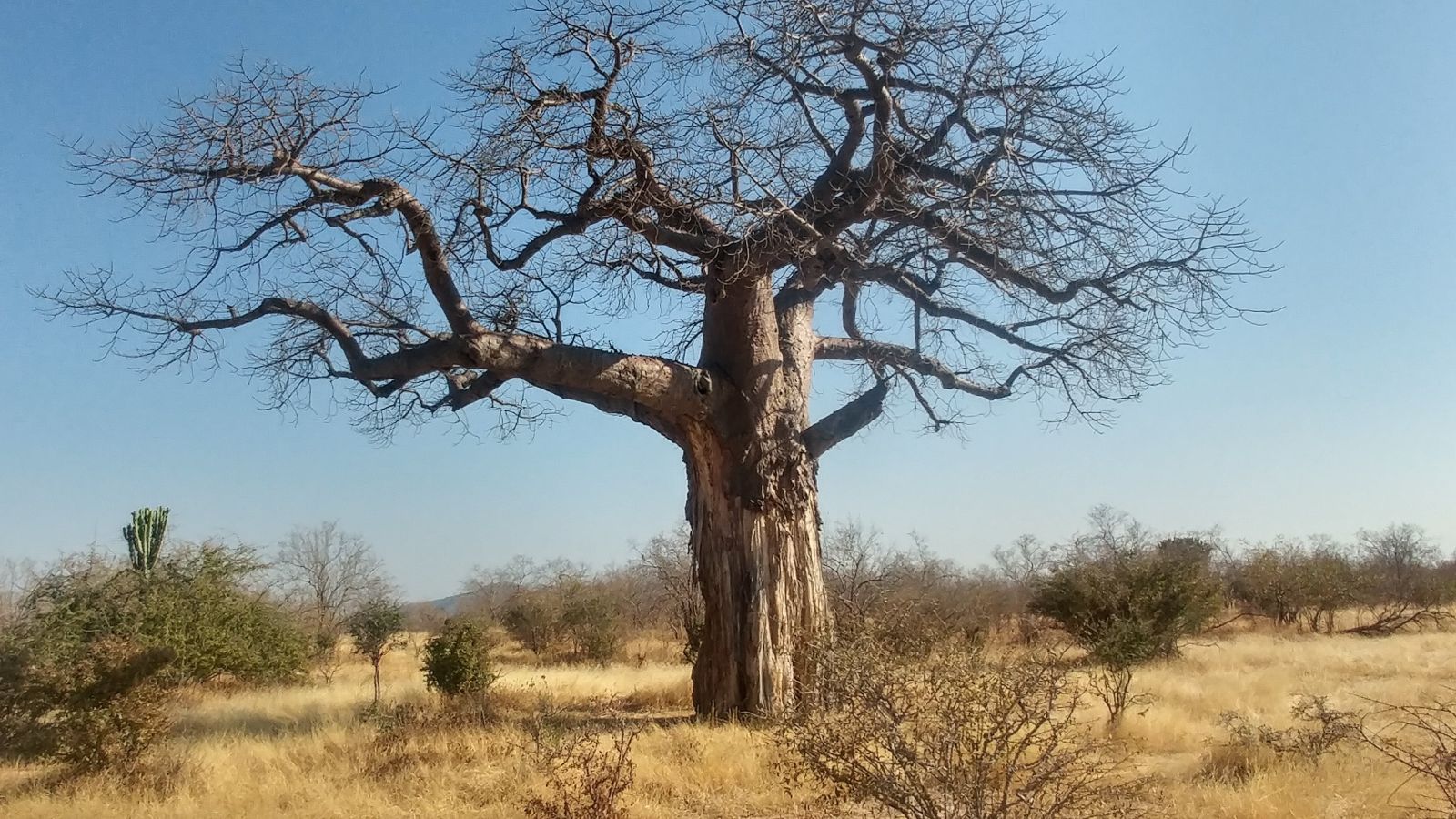
Straight away the country feels bigger and emptier, Ruaha is the largest park in Tanzania at over 20,000 square kilometres and you can drive a long way without passing another vehicle. Elephant work the banks of the Great Ruaha River and the guide starts looking for the big prides the park is known for. You settle into camp on the river as the light fails, hippo grunting below and the first stars coming out over the baobabs.
Day 4 Full Day In Ruaha
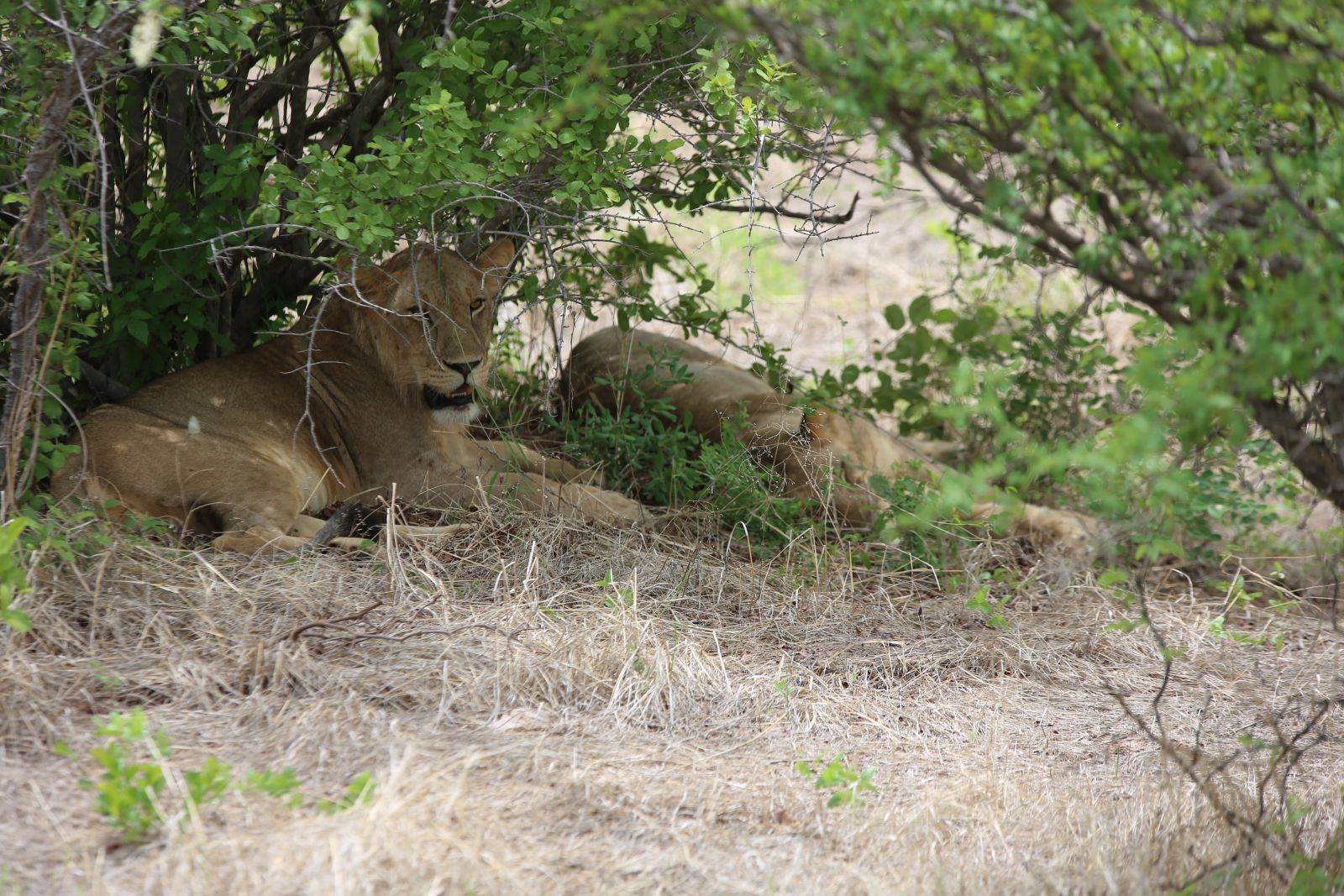
Your full day in Ruaha, and the wild heart of the trip. This is dry, big-cat country, the park holds roughly ten percent of the world’s lions in prides that can top twenty, plus healthy leopard and one of Africa’s last strongholds of wild dog. Out at dawn, the guide tracks along the Great Ruaha River where the predators move.
As the river shrinks through the dry season it pulls everything to water, elephant in numbers, buffalo at the crossings, and Ruaha’s specials like greater kudu, sable and roan that you rarely see up north. The baobabs give the park its strange, ancient look, best in the low afternoon light. You rest through midday, then a last drive as it cools. With over 570 bird species the river fringe stays busy even in the heat.
Day 5 Fly To Nyerere
A short morning drive, then to the airstrip for the hop southeast to Nyerere. The dry sand rivers give way to the green channels of the Rufiji, and you land in the early afternoon in country that looks nothing like Ruaha.
Nyerere is 30,893 square kilometres gazetted in 2019 from the old Selous, and it is soft, watery country, palm-fringed channels, sandbanks and lakes. After settling into camp you head out on an afternoon game drive, watching for the big elephant and buffalo herds and for the lion and leopard that work the woodland edges. Sundown over the Rufiji, with hippo surfacing and fish eagles calling, tells you at once why people come here for the water rather than the plains.
Day 6 Rufiji River Boat Safari
Your day on the water. The Rufiji is the largest river in Tanzania and it fans out through Nyerere into a maze of channels and lakes holding crocodile and hippo in some of the highest densities in Africa. A boat safari puts you at their level.
You drift past surfacing hippo, watch big crocodiles slide off the sandbanks, and take in the best birding of the week from the water, fish eagles, skimmers and kingfishers along the banks. Elephant come down to drink and cross between islands. Back on land, an afternoon drive works the lakes where game gathers, and Nyerere is a stronghold for the endangered African wild dog. The park also lets you walk with a ranger if you would rather swap the boat for the bush. Whichever way you spend it, the pace here is slower and closer to the ground than the drives of the days before.
Day 7 Morning Then Fly Out
A final morning on the Rufiji, a boat drift or short drive, before the flight home. The river is quiet at dawn, mist off the water, the banks loud with birds. You make the most of it, then back to camp for breakfast and the transfer to the airstrip.
Your light aircraft flies you to Dar es Salaam, connecting onward to Zanzibar, the coast or home. Seven days across Mikumi, Ruaha and Nyerere is the classic southern circuit, the easy plains, the deep wilderness and the great river, with the flights carrying the distance so your time stays on the wildlife. Three parks in a week sounds a lot, but because each stop is short and distinct, the trip feels full rather than rushed.
What’s Included
- All light-aircraft flights on the circuit (Mikumi–Ruaha–Nyerere–Dar)
- Road transfer Dar es Salaam to Mikumi
- Six nights full board across the three parks
- Game drives, one Rufiji boat safari and the option of a guided walk
- Mikumi, Ruaha and Nyerere park entry fees for the days shown
What’s Not Included
- International flights and Tanzania visa
- Travel insurance
- Extra activities beyond those listed
- Drinks, tips and personal items
Why Is This Tanzania Safari a Popular Choice?
The southern circuit is Tanzania’s answer to crowds, and seven days is the sweet spot for it. You get three parks that could not be more different, Mikumi’s open, easy plains, Ruaha’s dry wilderness with a tenth of the world’s lions and Nyerere’s Rufiji River, the largest in the country, where you watch wildlife from a boat and walk with a ranger. Between them the three parks cover well over 50,000 square kilometres, and even in peak season you share them with a handful of vehicles rather than the convoys of the north. Linking the stops by light aircraft keeps the driving to a single day at the start, so the week stays on game viewing. For a traveller who wants variety, space and wildlife watched three ways in one trip, the seven-day southern circuit is the strongest week the south offers.
How Much Can You See on a 7 Day Tanzania Safari?
Seven days is the length the southern circuit is built around, and it works. Two nights in each park, roughly, gives you a full day plus drives at each stop, enough for Mikumi’s floodplain, Ruaha’s river sectors and Nyerere’s boat, walk and drives. It suits travellers who want breadth and do not mind moving every couple of days. What a week cannot do is go deep into any one park; Ruaha alone is over 20,000 square kilometres and Nyerere larger still, so the remote corners stay out of reach. If a single park is your priority, spend the nights there instead. And if you have a fortnight, this circuit pairs naturally with Zanzibar for a beach finish or with the northern parks for the full sweep of the country. As a stand-alone week, though, the southern circuit at seven days is well balanced and full.
What Is the Price Per Person for This Tanzania Safari?
Three parks and several internal flights make this a mid-to-upper-range trip. The main costs are the flight circuit, six nights of camps, the boat safari, and park fees of about USD 35 per adult per day at each of the three parks with VAT included; Ruaha’s is a USD 30 gate rate for a non-resident adult before the 18% is added. TANAPA reviews these each fiscal year, so they are indicative. Camp level sets the rest, from simple tented camps to the smarter river and escarpment camps. As a guide, expect around USD 3,200 to 6,500 per person sharing, higher in the June to October dry season and lower in the green months. A shared vehicle and boat between four brings the per-person cost down, since transport and guiding are priced per trip. Give an operator your dates, group size and preferred camp style for an exact figure.
Reading Around the Circuit
People usually arrive at the southern circuit after comparing it with the north, and How Does Ruaha Compare to the Serengeti? sets out that trade honestly. For the Ruaha leg, read Where to Stay in Ruaha National Park, Best Time to Visit Ruaha National Park and the Ruaha National Park: Complete Safari Guide.
Shorter versions of this route exist: the 6 Day Ruaha And Nyerere Safari drops Mikumi, and the 10 Day Southern Circuit And Zanzibar keeps all three parks and finishes on the coast.
This site is an independent visitor guide and does not take bookings. Once the shape of the trip is clear, send it to one of the operators who run Ruaha safaris, or start with the enquiry form on the homepage.