What Rivers Flow Through Ruaha National Park?
The main river in Ruaha National Park is the Great Ruaha, which runs along the eastern boundary and gives the park both its name and its life, fed by sandy tributaries including the Mwagusi, Jongomero and Mzombe. The Usangu wetlands and the Ihefu swamp in the west feed the system. Ruaha is one of Tanzania’s largest national parks, in the south-central Iringa Region, and the anchor of the country’s quieter southern safari circuit.
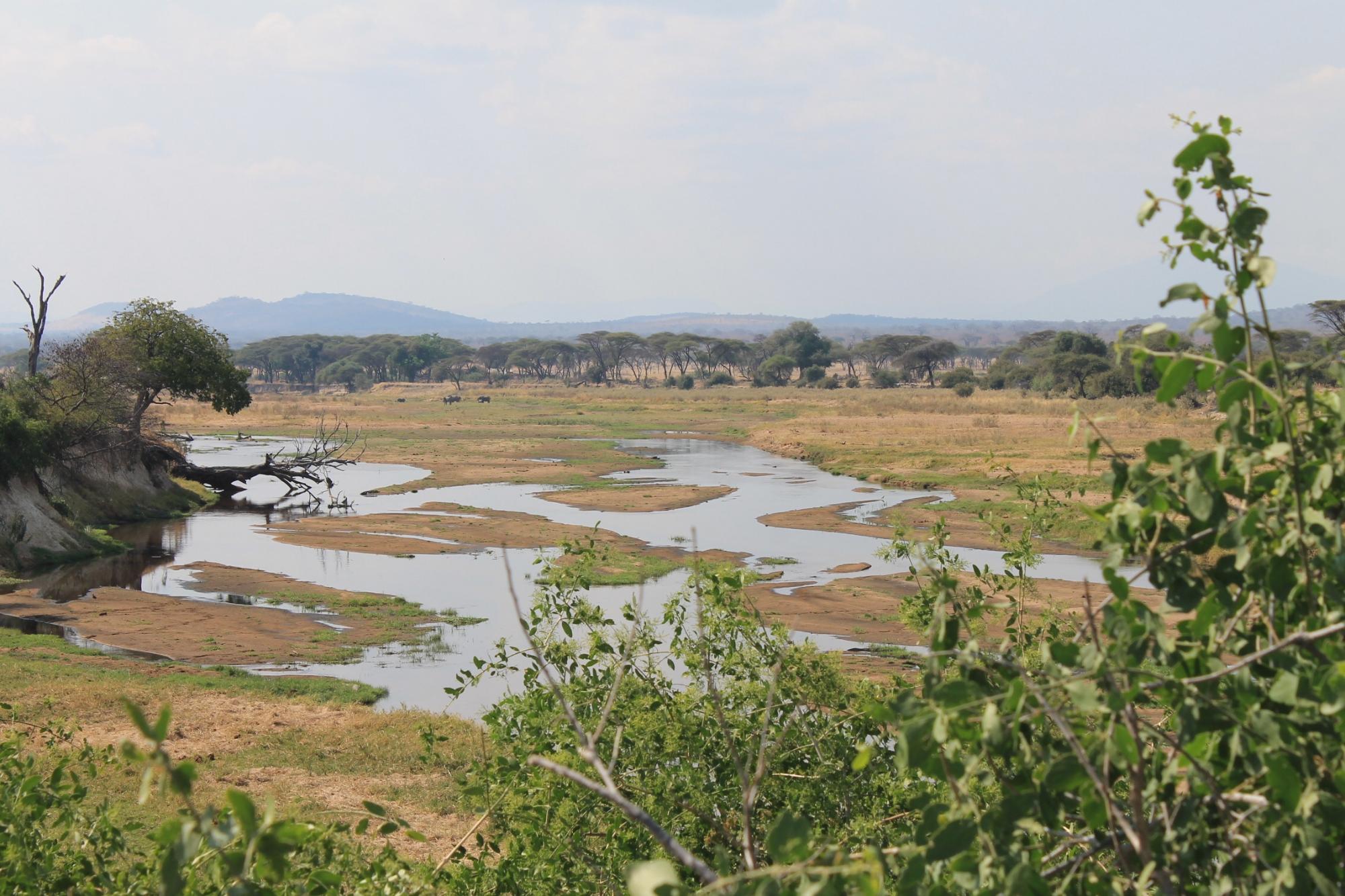
The Great Ruaha River: Lifeline of Every Safari
The Great Ruaha River is the heart of the park, and everything else flows from it, literally and otherwise. It runs along the eastern edge and gives the park its name, taken from the Hehe word for river. Through the dry season the river shrinks to a chain of pools, and those pools become the one dependable water source for miles, pulling in elephant, buffalo, hippo, predators and general game. Park the vehicle by the water on a dry-season morning and much of a Ruaha safari unfolds in front of you as the animals come to drink.
The river matters far beyond the park too. Its flow supports farms, fisheries and towns downstream, and TANAPA works to keep water in the system even in the driest months. For a visitor, though, the river is simply where the action concentrates, which is why so many camps sit within reach of it and why guides work its banks so hard in the dry season.
There is a conservation story here worth knowing. In recent decades the Great Ruaha has faced pressure from water use upstream, and stretches that once flowed year round have run dry in the worst months, which affects wildlife and communities alike. Efforts to manage water more carefully across the wider basin aim to keep the river flowing, since so much depends on it. As a traveller you are seeing a working river system under real pressure, not just a scenic backdrop, and that context adds weight to a drive along its banks.
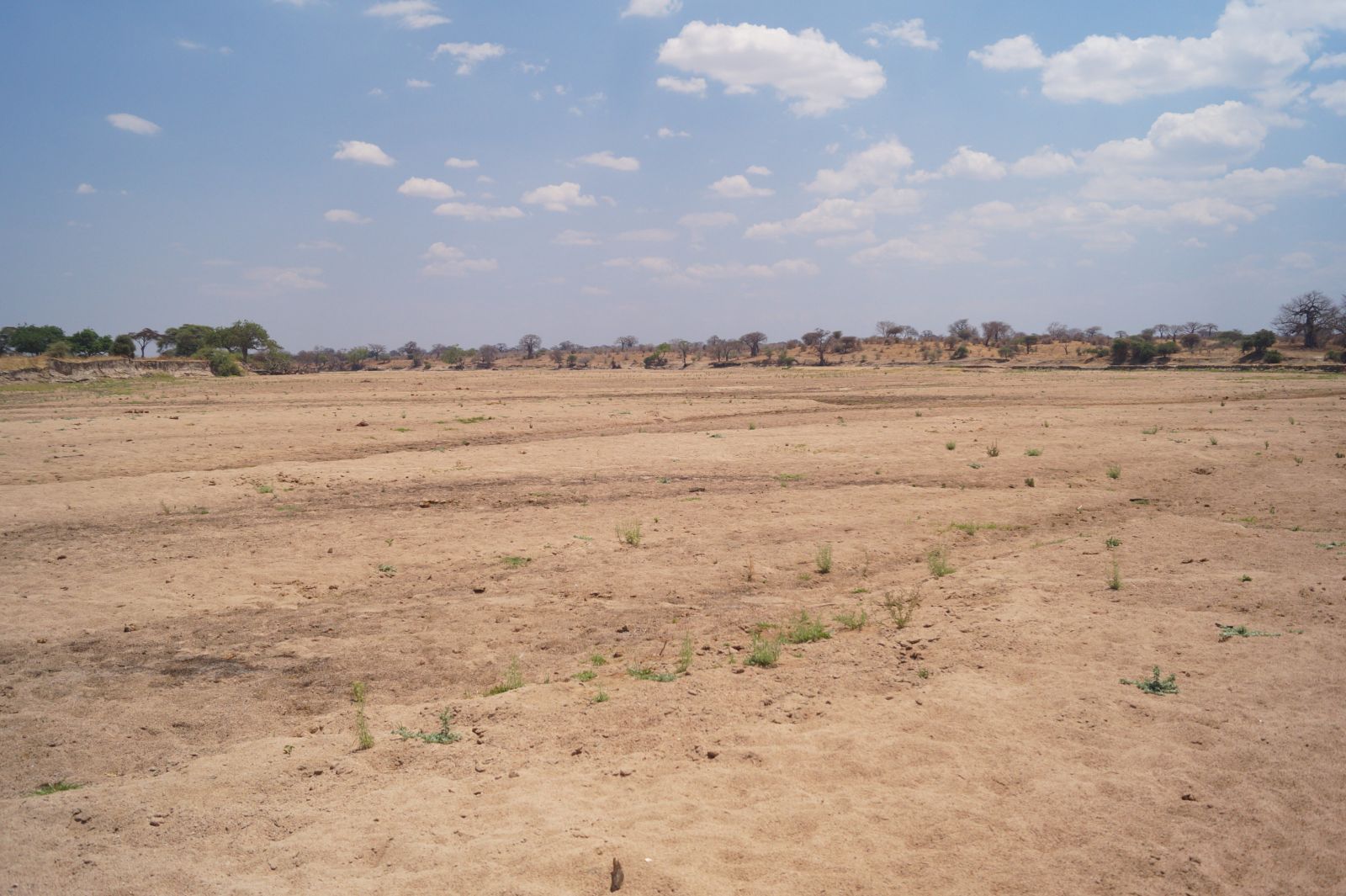
Mwagusi Sand River Safaris and Dry-Season Wildlife
The Mwagusi is one of the park’s best-known tributaries, a sand river that runs seasonally and then sinks below the surface for much of the year. Even when it looks dry, water sits just under the sand, and animals dig down to reach it, which makes the Mwagusi corridor a reliable place to find elephant and other game in the dry months. The riverbed itself becomes a highway for wildlife and a favourite route for game drives. One of the park’s classic camps sits on its banks, and a Mwagusi Sand River safari is a fixture of many Ruaha itineraries for good reason.
Jongomero Sand River in the Remote South of the Park
Deep in the remote south, the Jongomero Sand River gives its name to the area and to the secluded camp that sits beside it. Like the Mwagusi, it is a seasonal sand river that holds sub-surface water, supporting wildlife in a part of the park few visitors reach. The Jongomero country is quieter and wilder than the central river area, and a stay here means having a large stretch of Ruaha almost to yourself. For travellers who want solitude on their Ruaha safari, the Jongomero drainage is where to base.
The Mzombe River Along the Northern Reaches
The Mzombe is another of the tributaries that feed the Great Ruaha, running through the northern reaches of the park. It sees far fewer visitors than the central river country and is more a feature of the park’s wider drainage than a standard game-drive route. Together with the Mwagusi, Jongomero and other seasonal watercourses, the Mzombe forms part of the network of sand rivers that keeps the park’s wildlife supplied with water through the long dry season.
These lesser tributaries matter more than their low profile suggests. Spread across a park larger than the Serengeti, the web of sand rivers means water is never far away underground, even when the surface looks parched. Animals move between them, digging for water where they can, and the channels act as corridors that link one part of the park to another. For wildlife, this network is what makes such a dry country liveable through months without rain, and it is a quiet reason Ruaha holds the game numbers it does.
In Ruaha, a dry riverbed is not empty. Water sits just below the sand, animals dig for it, and the sandy channels become the busiest places in the park once the rains stop.
Usangu Wetlands and Ihefu Swamp Safaris
To the west lie the Usangu wetlands and the Ihefu swamp, added to the park in 2008. These seasonal marshes and floodplains are a different kind of water feature from the sand rivers, holding standing water and supporting their own birdlife and wildlife. Crucially, they feed the Great Ruaha, so the health of the wetlands is tied to the flow of the river downstream. A Usangu wetlands safari is a more specialist outing than the classic river drives, appealing to birders and to travellers curious about the water systems that keep the whole park alive.
How the Rivers Shape a Ruaha Safari
The rivers do not just sit in the scenery. They dictate where the wildlife goes and, in turn, where you spend your drives. In the dry season, when water is scarce, game concentrates along the Great Ruaha and its sand tributaries, so guides work the riverbanks and the corridor game viewing is at its peak. In the green season, when water is everywhere, the animals disperse away from the rivers and sightings spread across the park. Understanding this rhythm is the key to reading a Ruaha safari, since the same stretch of river can be crowded with life one month and quiet the next. A good guide plans the day around where the water is drawing the game, which is why local knowledge counts for so much in a park this large and this driven by its rivers.
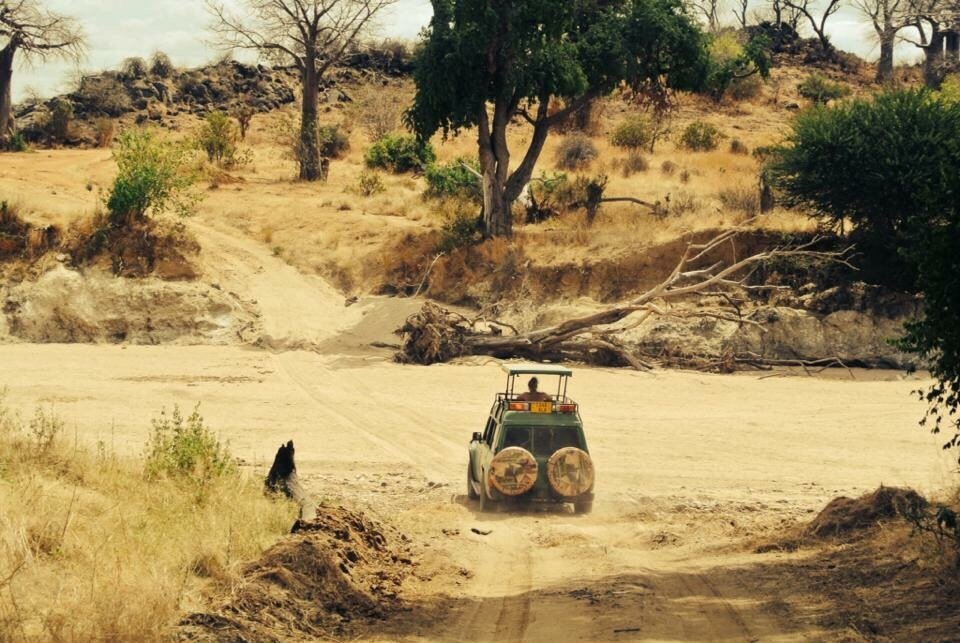
Sand River Drives on a Ruaha Safari
One of the signature experiences here is the sand river drive. Vehicles follow the broad, dry channels of the Mwagusi and other tributaries, where the wildlife gathers and the going is open. Driving a sand river feels different from the plains, hemmed by banks and shaded by riverine trees, with the chance of turning a bend onto elephant digging for water or a pride resting in the shade. These drives are a highlight of the dry season, when the sand rivers pull the game in, and they show off the park’s water system at close range.
There is a particular pleasure to it that regular visitors talk about. Because the sand rivers wind and dip, you never quite see what is around the next bend, so a drive along one carries a low hum of anticipation that the open plains lack. Elephant families are a common find, often with the whole group digging shallow wells in the sand and the youngsters learning by copying the adults. Add the birds that work the riverine trees and the chance of a leopard draped on an overhanging branch, and a sand river drive packs a lot of the park’s best sightings into one route.
Best Time to See Ruaha’s Rivers on Safari
The dry season from June to October is when the rivers matter most for wildlife, since the shrinking water forces animals to the banks and pools, and the game viewing along the Great Ruaha peaks. The green season from November to April fills the rivers and spreads the wildlife out, so the water is fuller and the scenery greener, but the concentrated river sightings fade. For the dramatic dry-season river shows, plan a visit in the second half of the dry season, when the water is at its lowest and the animals have nowhere else to go.
Frequently Asked Questions
What is the main river in Ruaha National Park?
The Great Ruaha River is the main watercourse, running along the eastern boundary and giving the park its name. It is the park’s lifeline, and in the dry season its shrinking pools become the key water source that draws wildlife, which is why so much of the game viewing happens along its banks.
Why is the Great Ruaha River important?
It supports the park’s wildlife and, beyond the boundary, the farms, fisheries and communities downstream. Within Ruaha, the river concentrates animals in the dry season, making it the centre of the safari experience. Its flow is a real conservation concern, and TANAPA works to keep water in the system through the driest months.
What are sand rivers, and why do they matter in Ruaha?
Sand rivers like the Mwagusi and Jongomero are seasonal watercourses that flow in the rains and then sink below the surface, leaving a broad sandy bed. Water remains just under the sand, so animals dig down to drink, which makes these dry riverbeds some of the best places to find wildlife in the dry season. They also make excellent game-drive routes.
Can you see wildlife along the rivers year round?
Yes, but the pattern changes with the season. In the dry months, wildlife concentrates on the rivers because water is scarce, so sightings there are at their best. In the green season, water is everywhere and animals disperse away from the rivers, so the riverbanks are quieter. The rivers are always part of the park’s character, but their pull on wildlife is strongest when it is dry.
How much does a Ruaha safari cost?
It depends on how you travel and where you stay. Park entry for a non-resident adult is currently around 30 US dollars per person for each 24 hours before 18 percent VAT, with reduced rates for residents and East African citizens. Flights from Dar es Salaam have commonly run around 380 dollars per person each way, and accommodation ranges widely by tier. Confirm current park fees with TANAPA before you travel.
Plan Your Ruaha Safari
The rivers are the key to reading Ruaha, and a guide who knows how they behave through the seasons is what turns that knowledge into sightings. The safari companies and tour operators listed on this website run drives along the Great Ruaha and its sand tributaries through every season, and they can time your trip to catch the river at its most alive. Ask them straight and they will tell you what your dates are likely to deliver.
Whether the budget is tight or open, the drives get shaped around what you most want to see, and the flights, park bookings and camp choices are handled in the background so none of the admin lands on you. Want a proper quote, or just a steer on timing? Reach out to the operators listed here, and a real person, not a bot, will get back to you.