Ismani Rolling Hills
The Ismani rolling hills are the open, undulating farming country north of Iringa that road travellers cross on the way toward Ruaha, a working agricultural region of maize fields and small settlements rather than a wildlife area, and a useful window on rural Tanzania before the park itself. Ruaha is one of Tanzania’s largest national parks, in the south-central Iringa Region, and the anchor of the country’s quieter southern safari circuit.
What the Ismani Hills Are on the Way to Safari
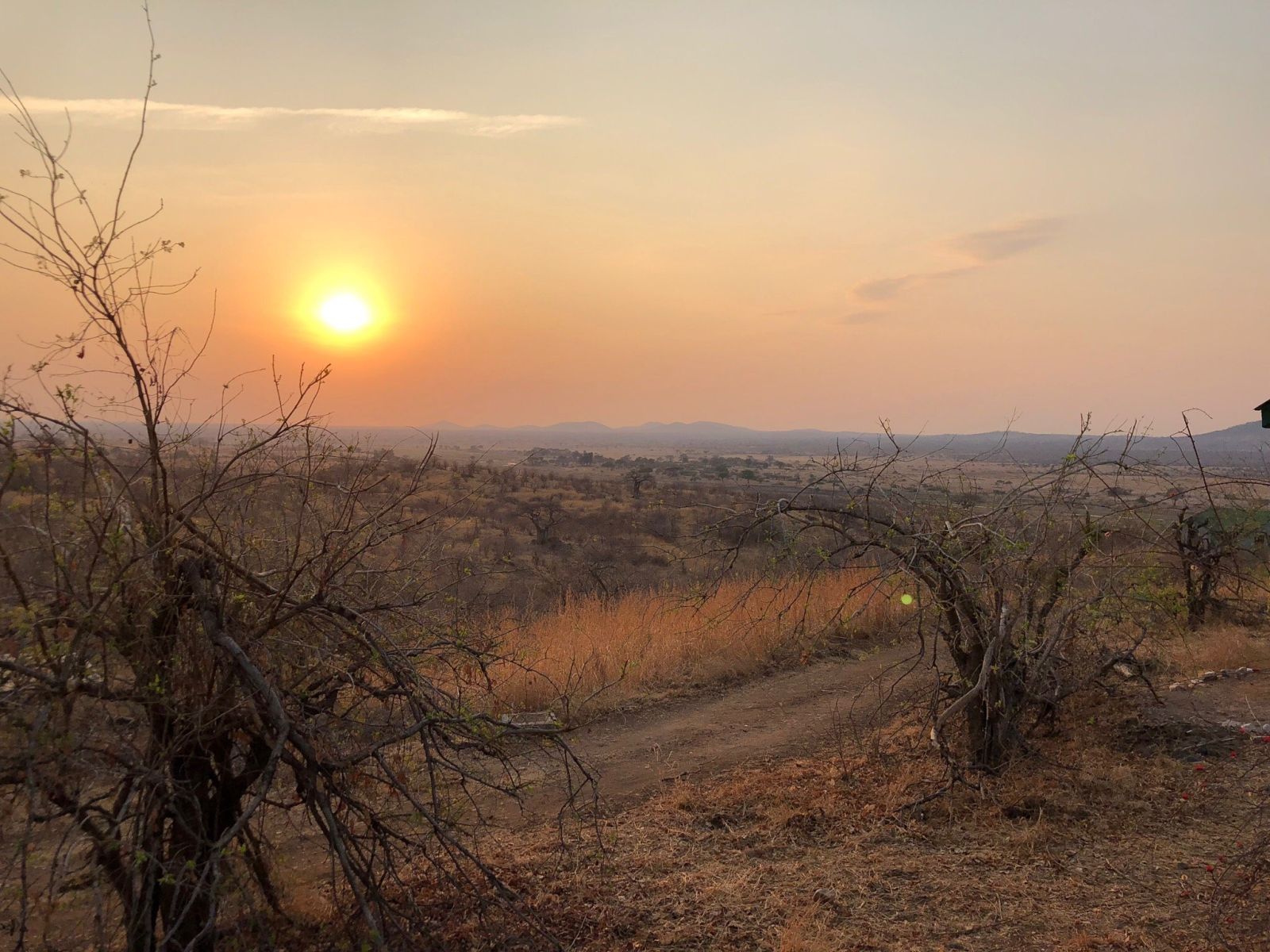
Ismani lies in the Iringa region to the north of Iringa town, and it is best understood as farming country rather than a park feature. This is a well-known maize-growing area of the southern highlands, a broad expanse of rolling, cultivated hill country with villages, fields and the ordinary business of rural life going on across it.
It matters to a visitor chiefly as landform passed through. Travellers driving to Ruaha from the north or from Dodoma cross this kind of country before reaching Iringa and turning west toward the park, and it is one of the more attractive stretches of the long overland approach. So this page is about the road to a Ruaha safari rather than about the park’s interior, and it is worth being clear on that distinction from the outset.
The Undulating Country of the Southern Highlands on Safari
The wider region has real character. Iringa sits in the southern highlands on ground that falls away toward the Great Ruaha valley, and the country around it is a sequence of hills and shallow valleys, cooler and greener than the hot bush of the park below. The elevation makes the difference, with the highlands considerably higher than the park’s valley floor at around 750 metres.
Driving through it, you pass cultivated slopes, stands of trees, small farms and roadside markets, with long views opening as the road climbs and dips. It is pleasant, worked country, quite unlike the wilderness ahead. For travellers who fly straight into the park this is all missed entirely, which is one of the arguments for taking the road on a Ruaha safari at least once.
The climate difference is noticeable as you travel. Iringa and the highlands around it are appreciably cooler than the park below, enough that evenings can call for a jacket even when the bush is baking, and the higher rainfall keeps the country greener for longer after the rains have ended. That contrast between cool cultivated highlands and hot dry valley is one of the more interesting things about approaching Ruaha overland rather than dropping into it from the air.
This is farmland, not wilderness. Its value on a Ruaha trip is that it shows you the rural Tanzania that the park’s conservation story is finally about, which a flight over the top does not.
Rolling Hills Inside the Park on a Ruaha Safari
It is worth separating the Ismani farmland from the hill country inside the park, which is a genuine feature of a Ruaha safari. Ruaha itself is described as undulating land with hills, and it holds a series of named rocky outcrops including Kilimamatonge, Nyamasombe, Nyanywa, Chariwindwi, Igawira, Mwayiui, Kibiriti, Magangwe and Ndetamburwa, with the high ground reaching roughly 1,900 metres in the west.
Those hills function as kopjes, holding klipspringer and other rock specialists, and some can be climbed on a guided hike for long views over the park. The escarpment along the western side of the valley adds further relief. So if what draws you is rolling and rocky country with wildlife in it, the park’s own hills are the place to look rather than the farmland outside, and they are covered properly in their own right.
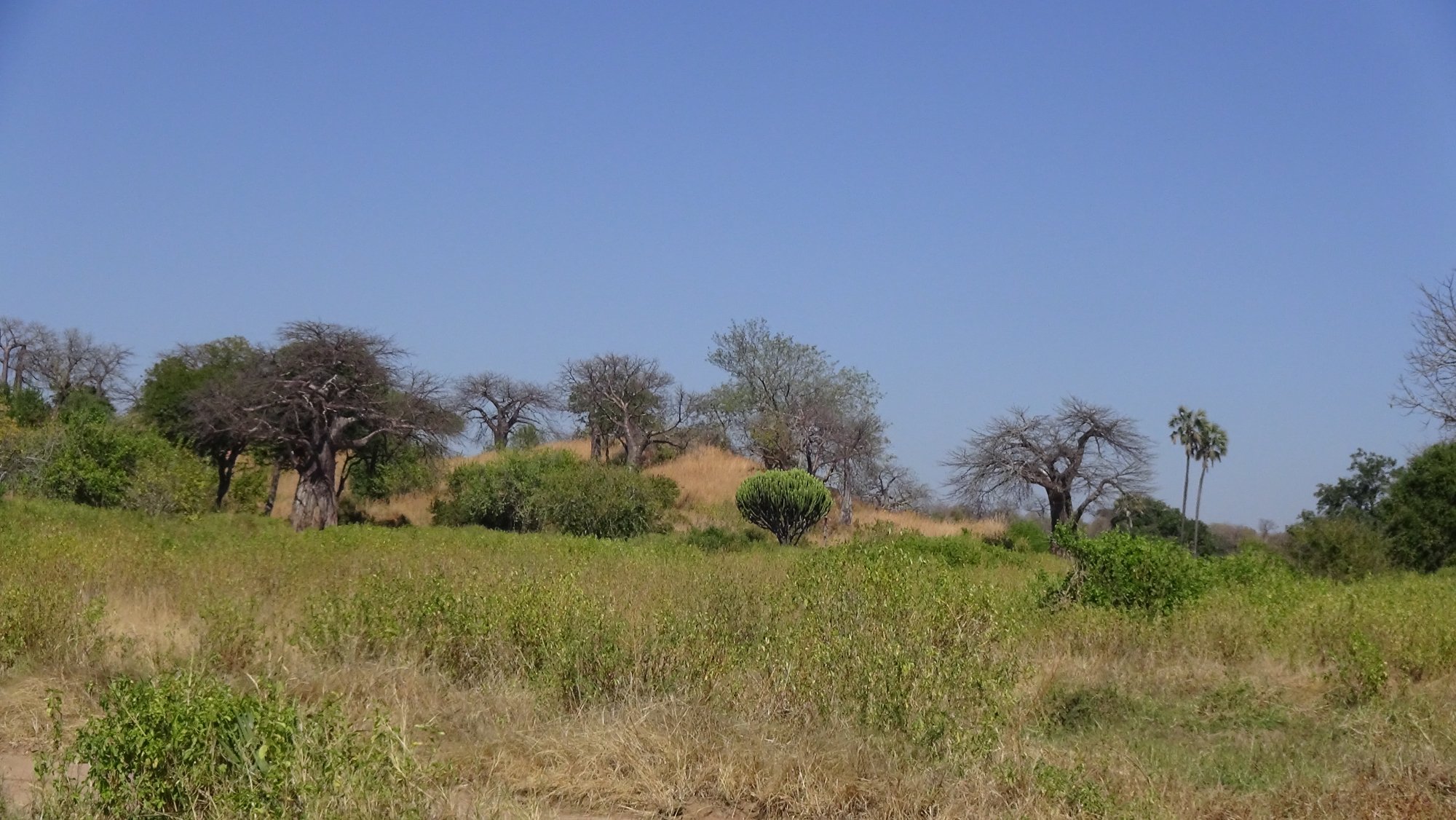
The confusion between the two is understandable, since the park is genuinely described as rolling hill country and the region outside it is too. If your interest is scenery with wildlife in it, ask your operator about the park’s hills and the escarpment rather than about Ismani, and if your interest is rural Tanzania and the drive itself, then the farming country north of Iringa is what you are looking for. They are different propositions serving different curiosities.
What You See Crossing the Region on Safari
The interest in the drive is human rather than wild. You pass maize under cultivation, cattle and goats being moved along the verges, women carrying loads, children walking to school, bicycles heavily laden, and small trading centres where buses stop and vendors work the windows. Roadside stalls sell fruit and vegetables in season.
For many travellers this is the part of the trip that gives context to everything else, since it shows the country and the people who live alongside the park rather than only the wilderness inside it. It also puts the conservation story in perspective, because these are the kinds of communities whose relationship with wildlife and water determines the park’s future. A road approach to a Ruaha safari teaches you something a flight cannot.
Photography here calls for ordinary courtesy rather than a long lens. People are going about their lives, not providing scenery, so ask before photographing anyone and accept a refusal gracefully. Buying something at a roadside stall or a market is a decent way to make an exchange of it rather than simply taking pictures of strangers, and a driver-guide who knows the area can smooth the introductions where you want a proper conversation.
Cultural and Historical Stops Near the Hills
The road approach passes within reach of the Iringa area’s genuine attractions, and these are what most travellers actually stop for. Isimila, roughly twenty kilometres from Iringa, is one of Africa’s important Stone Age sites, with ancient tools and a canyon of sandstone pillars. Gangilonga Rock, on the edge of Iringa, is where Chief Mkwawa of the Hehe addressed his people during the resistance to German colonial rule.
Kalenga, about twelve kilometres from town, holds the museum preserving Mkwawa’s story and the tombs of Hehe chiefs, and rock art survives at sites including Igeleke and Mlambalasi. A night in Iringa with a day for these turns the overland approach from a chore into a worthwhile leg of a Ruaha safari.
Driving Through Ismani on the Way to Safari
Practically, this is highway driving on a paved road, quite different from the gravel that follows. From Iringa the distance to the park’s main gate is in the region of a hundred to a hundred and thirty kilometres depending on the route and where you measure from, and that final stretch is the rough one taking two to three hours.
The usual caution applies to the populated farming country: villages bring pedestrians, livestock, cyclists and speed bumps, so keep speeds moderate and expect the unexpected. Because no night driving is allowed in the park, plan to reach the gate in good daylight, which for most road travellers means an overnight in Iringa and an early start on a Ruaha safari.
Best Time to Cross the Region on a Ruaha Safari
The farming country looks its best in and just after the rains, from around December to May, when the hills are green, the maize is standing and the whole region is at its most photogenic. That is the opposite of the best time for wildlife in the park, so a green-season road trip gives you handsome approach country and harder game viewing.
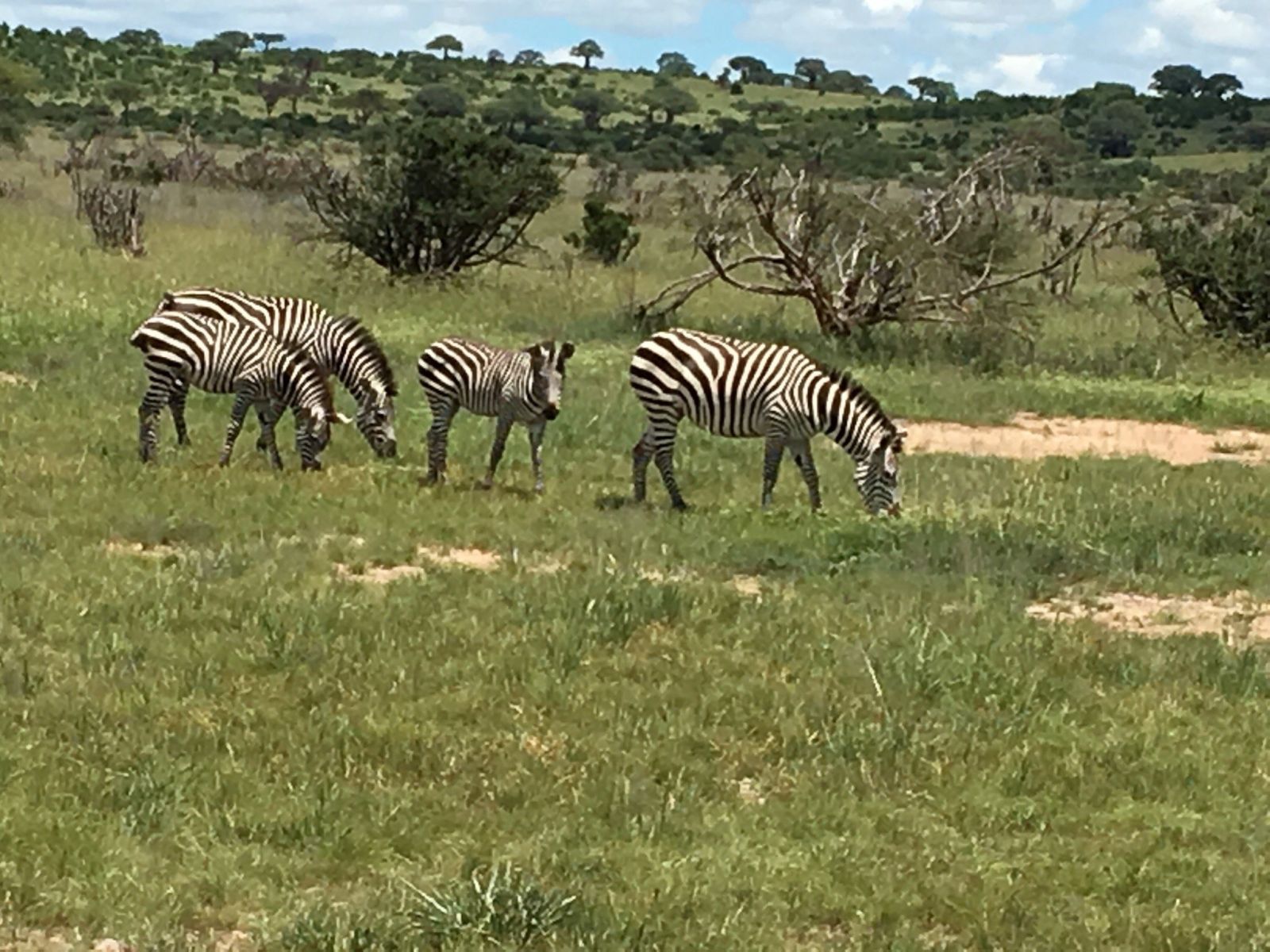
In the dry season from June to October, when the game viewing peaks, the farmland is brown and harvested, dustier and less appealing to look at, though the roads are at their best and the driving easiest. Since the park is why you are travelling, most visitors accept the drier approach and come in the dry months for their Ruaha safari.
One practical point applies whenever you cross the region: the highway carries heavy long-distance traffic between Dar es Salaam and the southern highlands, including many trucks, so overtaking needs patience and the driving is slower than the map suggests. Any operator who runs this route regularly builds that into the timings, which is one more argument for using a driver-guide who knows the road rather than attempting it independently on a first visit to the country.
Frequently Asked Questions
Where are the Ismani rolling hills?
Ismani lies in the Iringa region to the north of Iringa town, in the southern highlands. It is a well-known maize-growing area of rolling, cultivated hill country with villages and farms across it, and road travellers heading toward Ruaha from the north cross this kind of country before turning west toward the park.
Is Ismani part of Ruaha National Park?
No. It is farming country outside the park, best understood as terrain you pass through on the overland approach rather than a wildlife area. The park has its own hill country, including named rocky outcrops such as Kilimamatonge, which function as kopjes and hold klipspringer and other rock specialists.
Is it worth driving rather than flying to Ruaha?
It depends on your time and budget. Flying takes about two to two and a half hours from Dar es Salaam against eight to ten by road, so it suits shorter trips. Driving is cheaper and shows you rural Tanzania and the Iringa historical sites, which flying skips entirely, but it costs the better part of two days.
What can you stop for on the road approach?
The Iringa area holds the genuine attractions: Isimila, one of Africa’s important Stone Age sites with ancient tools and sandstone pillars; Gangilonga Rock, linked to Chief Mkwawa of the Hehe; and the Kalenga museum preserving his story and the tombs of Hehe chiefs. Rock art survives at Igeleke and Mlambalasi.
How much does the road approach cost?
Driving is the budget route, with costs being fuel, vehicle hire and an overnight in Iringa rather than the roughly 380 US dollars per person each way that flights from Dar es Salaam have commonly run. Park entry, currently around 30 dollars per non-resident adult per 24 hours before 18 percent VAT, applies either way. Confirm current fees with TANAPA before you travel.
Plan Your Ruaha Safari
Whether to drive or fly, and whether to build the Iringa historical sites into the approach, is the kind of decision worth talking through with someone who runs both routes regularly. The safari companies and tour operators listed on this website arrange road and fly-in trips to Ruaha and can put a cultural day into the overland leg.
Whether the budget is tight or open, the transfers, flights, cultural stops and park bookings are handled in the background so none of the admin lands on you. Want a proper quote, or just a steer on driving versus flying? Reach out to the operators listed here, and a real person, not a bot, will get back to you.