Afternoon Game Drive in Ruaha National Park
An afternoon game drive in Ruaha National Park heads out in the later part of the day and runs toward dusk, catching predators as they wake to hunt and ending with a sundowner in the bush. The cooling light and rising activity make it a rewarding counterpart to the morning drive. Ruaha is one of Tanzania’s largest national parks, in the south-central Iringa Region, and the anchor of the country’s quieter southern safari circuit.
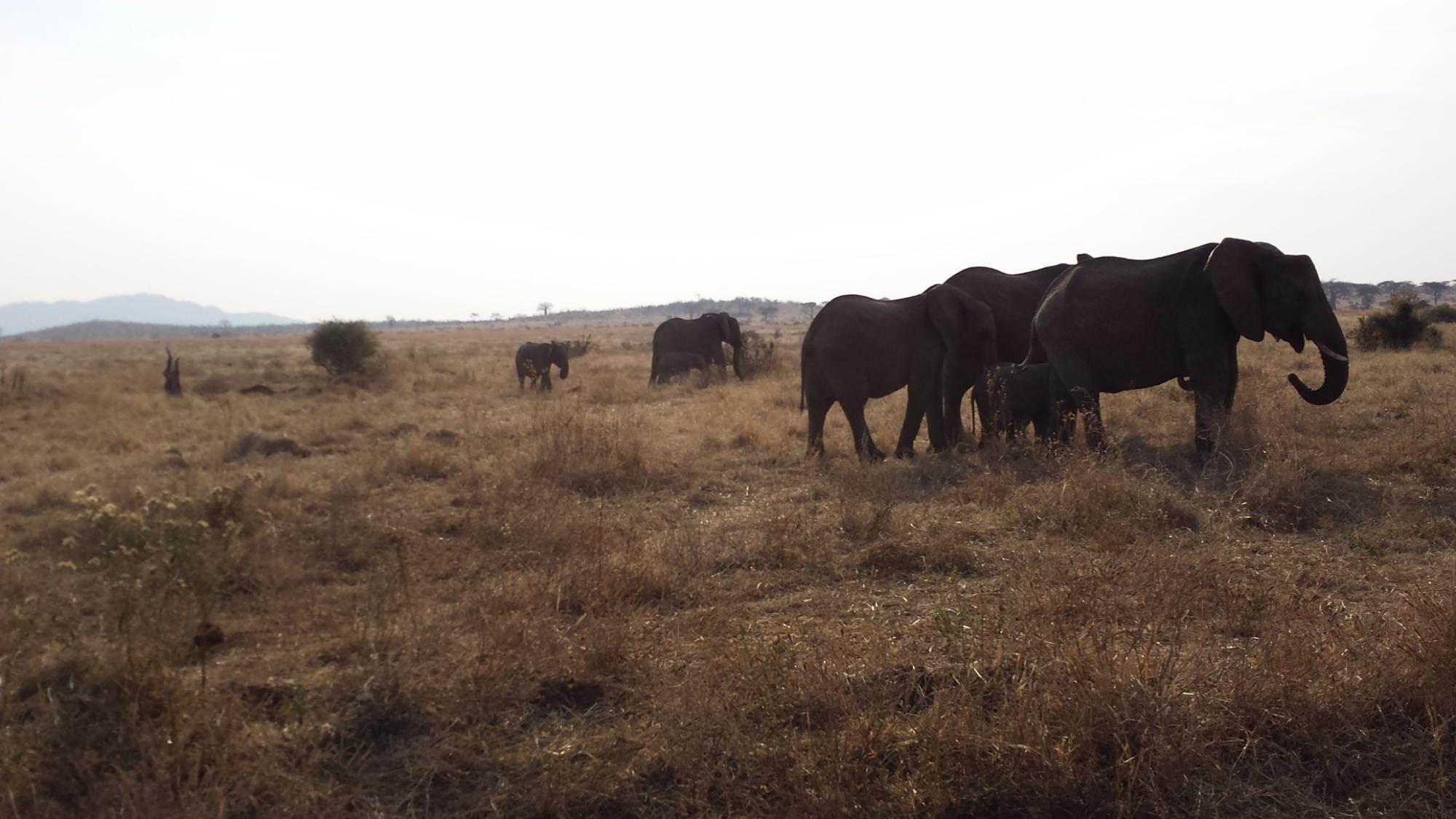
What an Afternoon Game Drive in Ruaha Involves
The afternoon game drive is the second half of the classic safari day. After the midday rest, when the heat has passed its peak, you head out again in an open 4×4 with your guide, usually in the mid to late afternoon. The drive runs through the cooling hours toward sunset, working the areas where wildlife is stirring back into activity, and it often finishes with a sundowner, a drink out in the bush as the light fades. It is a relaxed, expert-led outing that catches the park shifting from its drowsy midday state into the busier evening.
Like the morning drive, the afternoon outing feels private in a park as large and quiet as Ruaha. The pace follows what you find, so the guide can linger at a good sighting rather than rush on. The afternoon has a different mood from the morning, warmer and softer, building toward the drama of dusk, and for many visitors it is the more atmospheric of the two drives on a Ruaha safari.
The afternoon also tends to be the more sociable drive. Rested and fed after the midday break, guests are relaxed and unhurried, and the outing builds toward the shared ritual of the sundowner rather than the focused urgency of the dawn start. Conversations flow more easily, the guide has time to explain the country and its animals, and there is no clock pushing you back for breakfast. For travellers who find the pre-dawn start hard, the afternoon drive offers much of the same wildlife at a gentler, more leisurely rhythm, which is part of why it is such a well-loved part of the day.
Why the Late Afternoon Is Great for a Safari
The late afternoon works for the same reason as the early morning: it is cool enough for the wildlife to be active. As the fierce midday heat eases, animals that spent the hottest hours in the shade begin to move, feed and hunt again, so the drive catches a rising tide of activity. Predators in particular start to stir toward evening, gearing up for the night ahead. The light also improves through the afternoon, softening into the golden hour before sunset, which is ideal for both watching and photographing wildlife. On an afternoon game drive safari, timing the drive to run into dusk is what makes it so productive.
Predators Waking Up: Wildlife on an Afternoon Drive
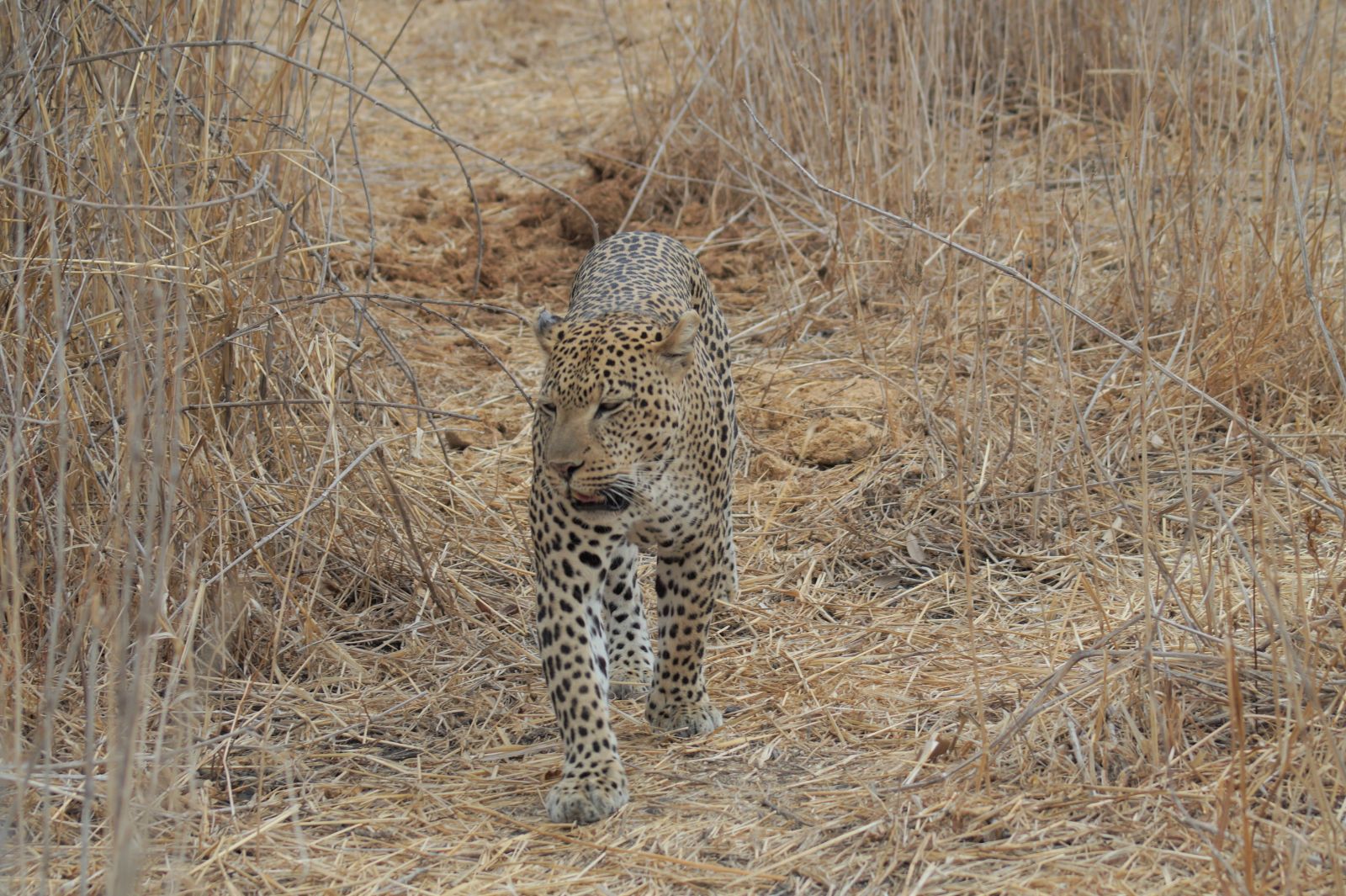
The afternoon is a strong window for cats. Leopards, largely nocturnal, often become active toward dusk and may be found moving or hunting as the light drops. Lions rouse from their daytime rest and begin to stir, sometimes setting off to hunt as darkness approaches. Cheetahs may make a late hunt on the plains. Beyond the predators, elephant and buffalo head to the water in the cool of the evening, and the general game is up and feeding after the midday lull. As the drive runs into the golden hour, an afternoon game drive in Ruaha often delivers its best sightings right at the end.
This end-of-day surge is one of the afternoon drive’s great strengths. The last hour before dark can be electric, as the cats that dozed through the heat get to their feet, stretch, and begin to think about the night’s hunting, while prey animals grow alert and skittish sensing the shift. Elephants file down to the river in long lines against the setting sun, and the calls of the bush change as the day shift hands over to the night. A guide who reads this rhythm will position you for that final flurry of activity, so the drive builds rather than winds down, saving something memorable for the moment the light finally goes.
The afternoon drive saves its best for last. As the heat fades and the light turns gold, the predators wake and the park stirs, so the finest sightings often come as the sun goes down.
Sundowners and Golden-Hour Light
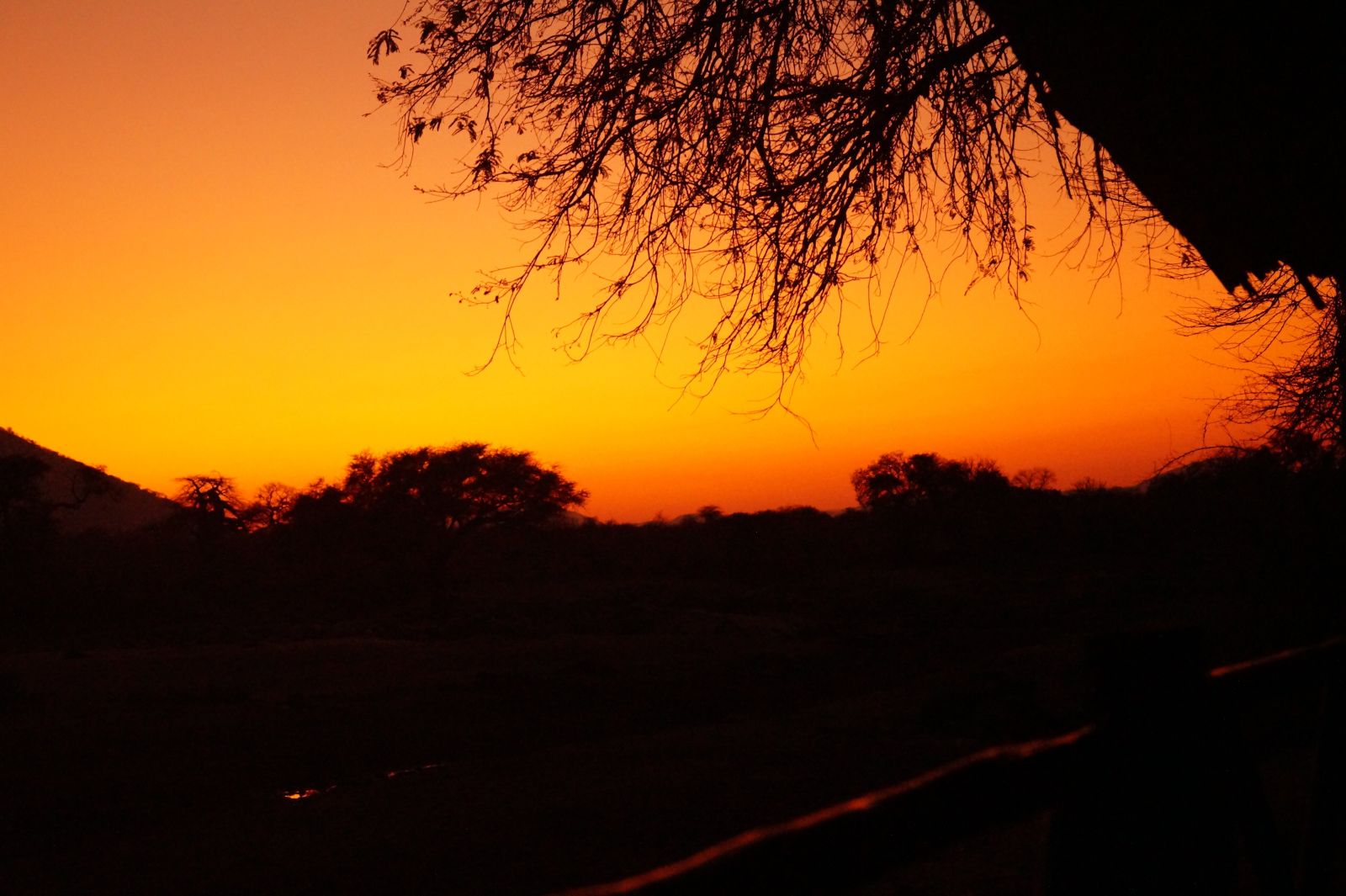
A signature part of the afternoon drive is the sundowner. Toward the end of the outing, your guide finds a scenic spot, often overlooking the river or the open country, and sets up drinks and snacks so you can watch the sun go down over the bush. It is an unhurried, memorable pause, and one of the small rituals that makes a safari feel special. The golden-hour light in the run-up to sunset is also the best of the day for photography, warming the baobab country and the wildlife alike. A sundowner at the close of an afternoon game drive is a highlight of a Ruaha safari. Cold drink in hand, watching the sky turn colour over the bush with the day’s sightings behind you, it is the kind of simple moment that sums up why people travel this far for a safari.
Where an Afternoon Game Drive Goes in Ruaha
The afternoon drive, like the morning one, follows the wildlife toward the water. Guides work the Great Ruaha River and its sand tributaries, where game gathers to drink in the cool of the evening, especially in the dry season. The route depends on recent sightings and the season, so the guide adapts to follow fresh signs or reports. Depending on your camp’s sector, the drive might explore the central river country or quieter areas, but the aim is to be near the water and the active wildlife as the light fades. The evening focus on the river is what shapes an afternoon game drive safari. As the light softens, the guide reads the country for movement toward the water, knowing that thirsty animals will draw in as the heat lifts.
What to Bring on an Afternoon Safari
The afternoon drive needs less against the cold than the morning, but the temperature drops as the sun sets, so a light layer is worth having for the end of the drive and the ride back. A camera with a zoom lens and binoculars are the key kit, along with sun protection for the earlier, warmer part of the outing. As the drive may run past dusk, a light jacket for the cooler evening air is sensible. Your camp usually provides drinks for the sundowner and a blanket for the vehicle. Packing for warm start and cool finish is the trick to a comfortable afternoon game drive.
How the Afternoon Drive Shapes Your Safari Day
The afternoon drive completes the daily rhythm of a Ruaha safari. The day typically runs a morning drive, a restful midday through the heat, and then the afternoon drive into dusk, so the two outings bookend a relaxed middle. This pattern keeps you out when the wildlife is active and resting when it is not, which is both productive and comfortable. Some camps also offer a night drive as an extension of the afternoon outing, using a spotlight after dark. On a Ruaha safari, the afternoon drive is the atmospheric close to each day, building to the sundowner and the fall of night.
Best Time of Year for Afternoon Game Drive Safaris in Ruaha
Afternoon drives are good year round, but the dry season from June to October is best, when wildlife concentrates on the river and the evening activity is at its most reliable. The dry months also bring clear skies for spectacular sunsets on the sundowner. In the green season from November to April, the afternoons can bring the short, heavy storms that add dramatic skies, though the game is more dispersed and the odd drive may be cut short by rain. Whenever you visit, timing the drive to run into dusk is what makes the afternoon game drive shine on a Ruaha safari.
Frequently Asked Questions
What time does an afternoon game drive in Ruaha start?
Most start in the mid to late afternoon, after the midday rest and once the fiercest heat has passed, and run toward and into dusk. The timing is chosen so the drive catches the rising evening activity and finishes with a sundowner as the sun goes down.
Is the afternoon or morning drive better?
Both are rewarding and they suit different moods. The morning drive catches predators still active after the night and the softest early light, while the afternoon drive catches animals waking toward evening and builds to a golden-hour sundowner. Most visitors do both, one bookending each end of the day, for the fullest experience.
What is a sundowner on a game drive?
A sundowner is a stop toward the end of the afternoon drive where your guide sets up drinks and snacks at a scenic spot, so you can watch the sun set over the bush. It is a relaxed, memorable ritual of a safari and a highlight of the afternoon outing, often with the river or open country as the backdrop.
Can an afternoon drive turn into a night drive?
At some camps, yes. Certain camps licensed for night drives extend the afternoon outing past dusk, using a spotlight to find nocturnal animals like civet, genet and hunting cats. Not all camps offer this, so if a night drive appeals, check whether your camp runs one before you book.
How much does an afternoon game drive cost?
Afternoon drives are usually included in your camp’s rate rather than charged separately, along with park entry, currently around 30 US dollars per non-resident adult per 24 hours before 18 percent VAT. A night drive extension carries a separate fee. Confirm what your rate includes, and check current fees with TANAPA before you travel.
Plan Your Ruaha Safari
Making the most of the afternoon drive means being out at the right time with a guide who knows where the wildlife will stir as the day cools, and a good operator arranges all of that. The safari companies and tour operators listed on this website run afternoon game drives across Ruaha with experienced guides, timed to catch the evening activity and the sundowner light.
Whether the budget is tight or open, the drives, guiding, flights and park bookings are handled in the background so none of the admin lands on you. Want a proper quote, or just a steer on planning your days? Reach out to the operators listed here, and a real person, not a bot, will get back to you.