3-Day Ruaha Fly-In Safari
This 3-day Ruaha fly-in safari flies you from Dar es Salaam or Zanzibar straight to an airstrip inside the park, giving two full days of game drives in Tanzania’s finest predator country before flying out. Expect to pay roughly 1,900 to 3,600 US dollars per person sharing depending on camp tier, including flights, park fees, accommodation, meals and guided activities. It is the shortest trip that does Ruaha justice.
Why Choose This Fly-In Safari
Three days is the practical minimum for Ruaha, and flying is what makes it possible. A road trip would consume the better part of two days each way, leaving almost no time in the park, whereas a light-aircraft flight of about two to two and a half hours from Dar es Salaam puts you on a game drive the same morning you leave the city.
What you get is two full days in a park larger than the Serengeti with a fraction of its visitors, working the Great Ruaha River and the Mwagusi sand river where the big lion prides and elephant herds concentrate. It suits travellers with limited time, those adding a safari to a business trip or beach holiday, and anyone wanting a first taste of the southern circuit.
Day One: Flight In and Afternoon Game Drive
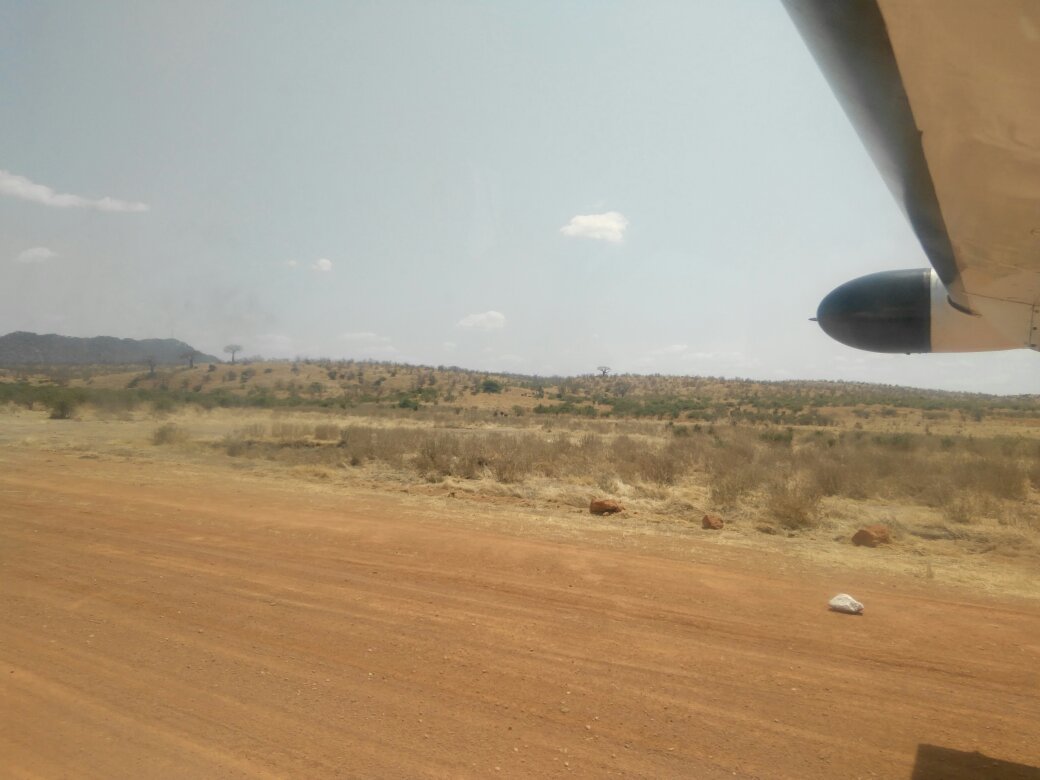
You depart Dar es Salaam or Zanzibar on a morning light-aircraft flight, landing at Msembe airstrip beside the park headquarters after roughly two to two and a half hours, possibly with a brief stop at Mikumi or Nyerere along the way. Your guide meets you at the strip and the transfer to camp runs as your first game drive, often producing sightings before you reach your tent.
After lunch and time to settle, you head out on an afternoon game drive along the Great Ruaha River, working the pools where elephant, buffalo and general game come to drink in the cooling hours, with the drive finishing at a sundowner spot as the light goes. Dinner and your first night are at camp inside the park.
Day Two: Full Day of Game Drives
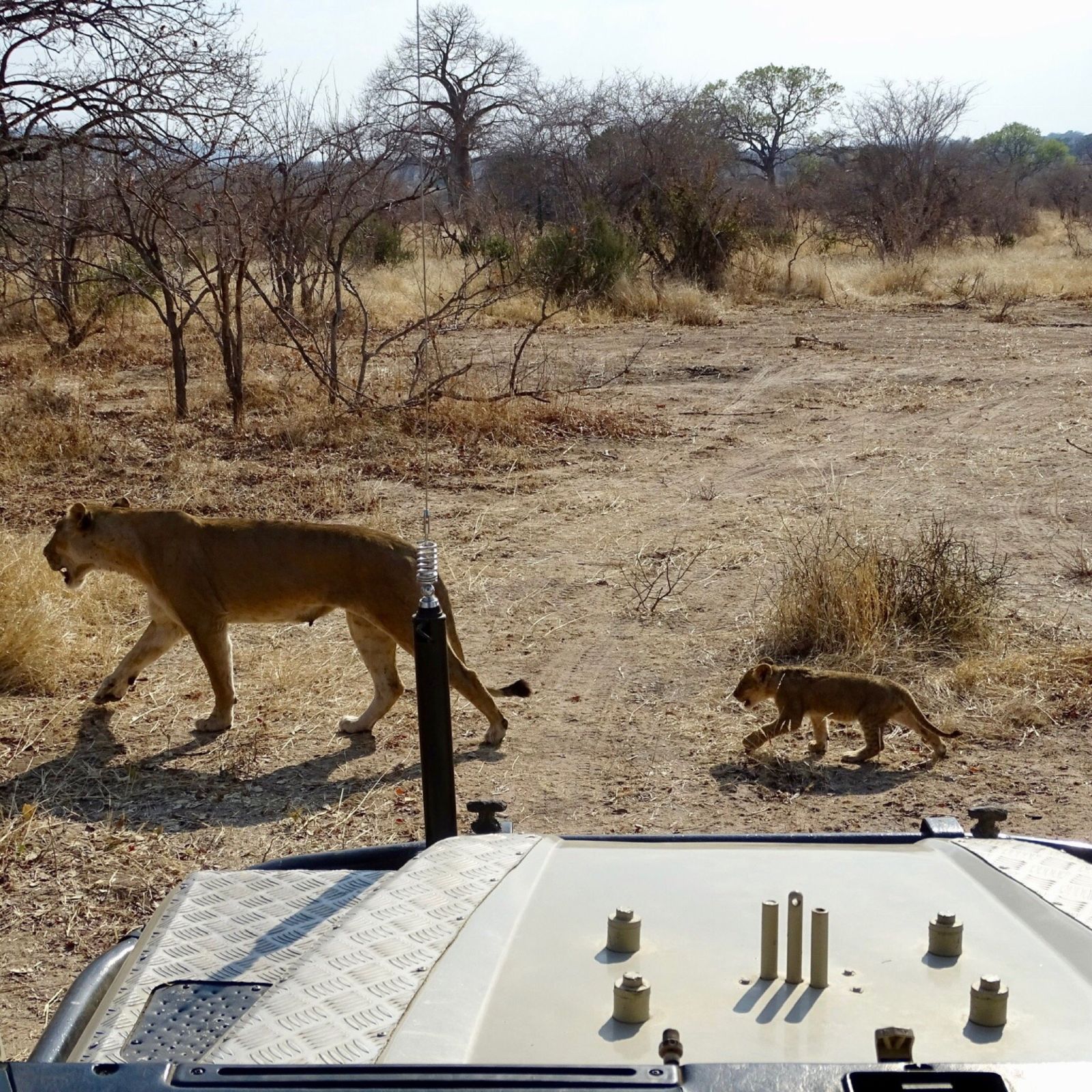
This is the heart of the trip. You are woken before dawn for coffee and set off as the sky lightens, since the cool hours after first light are when the predators are most active and the tracks in the sand are freshest. The morning works the river and the Mwagusi sand river, where elephants dig for water beneath the surface and the large lion prides set up near the prey.
Depending on how the day is going, you either return to camp for brunch and a rest through the heat, or take a packed lunch and stay out for a full-day drive reaching further into the park. The late afternoon brings a second drive, finishing with sundowners, and dinner back at camp under the stars.
Day one. Morning flight from Dar es Salaam or Zanzibar, arrival at Msembe airstrip, transfer game drive to camp, afternoon drive along the Great Ruaha with sundowners.
Day two. Pre-dawn start for the prime morning drive on the river and the Mwagusi, midday rest or full-day drive with packed lunch, afternoon drive and sundowners.
Day three. Early morning game drive, breakfast at camp or in the bush, transfer to the airstrip and flight out to Dar es Salaam or Zanzibar.
Day Three: Morning Drive and Flight Out
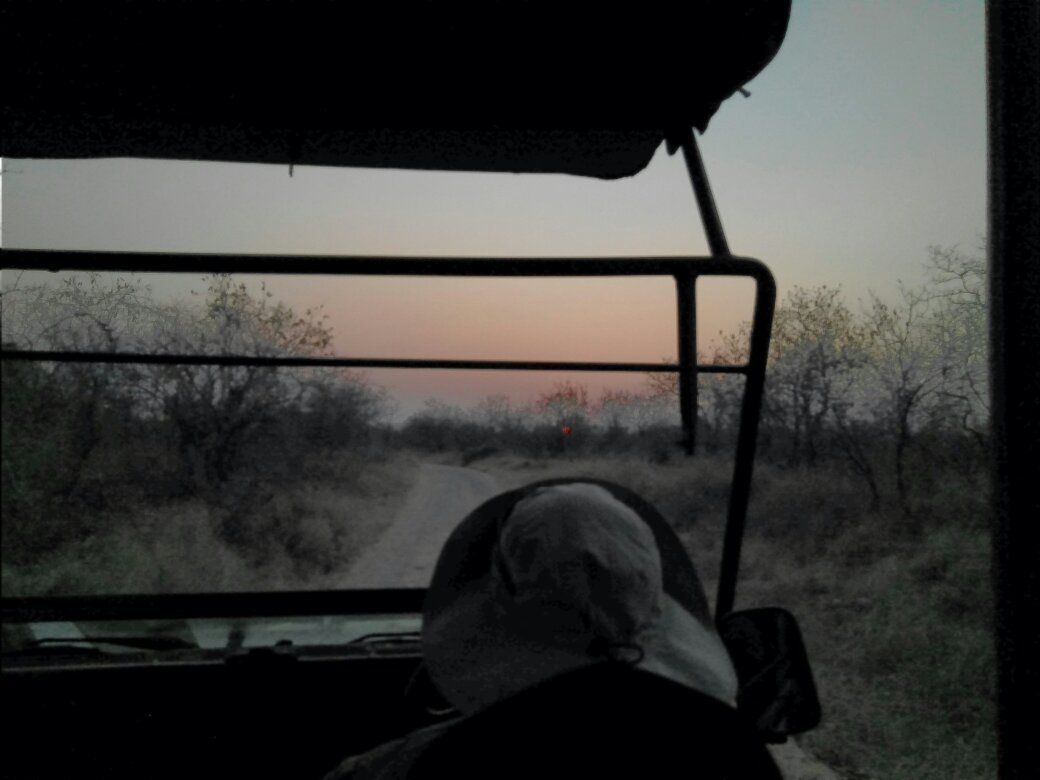
You have one more early start, which is worth taking, since the dawn drive is consistently the most productive of the day. The morning works whichever area has been producing during your stay, and many camps set up a bush breakfast out in the park so you eat surrounded by the wilderness rather than back at the mess tent.
After breakfast you return to camp, pack, and transfer to the airstrip for your flight out, arriving back in Dar es Salaam or Zanzibar in time to connect onward. Flight timings vary, so your operator will confirm whether you get a full morning drive or a shorter one depending on your departure slot.
It is worth asking about this when you book, since an early departure can cost you most of the final morning while a midday one preserves it. Where there is a choice of flights, paying a little more for the later slot often buys you the single most productive drive of the trip, which on a three-day itinerary is a meaningful gain rather than a detail.
What This Safari Costs Per Person
Pricing depends almost entirely on the camp tier you choose. As a working guide for two people sharing, expect roughly 1,900 to 2,400 US dollars per person for a good-value tented camp, around 2,500 to 3,000 for a mid-range camp, and from about 3,200 to 3,600 or more for the luxury escarpment and riverfront camps.
Those figures include return light-aircraft flights from Dar es Salaam, which have commonly run around 380 dollars per person each way, park entry fees, two nights of accommodation, all meals, guided game drives in a shared open 4×4, and airstrip transfers. Single travellers should budget a supplement, and green-season rates from November to April typically run appreciably lower.
What Is Included and Excluded
Included are the return flights, airstrip transfers, two nights accommodation inside the park, all meals, guided game drives, park entry fees and concession fees where the camp sits on a concession, drinking water, and the services of a professional guide throughout.
Excluded are international flights to Tanzania, visa fees, travel insurance, which should cover safari activities and remote medical evacuation, alcoholic and premium drinks at most camps, tips for guides and camp staff, optional extras such as night drives at around 50 dollars per person and guided walking safaris at roughly 20 to 40 dollars, and any single supplement.
Best Time to Book This Ruaha Safari
For a trip this short, timing matters more than it would on a longer stay, because you have only two days of drives and want the odds stacked. The dry season from June to October is the clear choice, and August to October is best of all, when water has shrunk to the river and the wildlife concentrates where it is easy to find.
Book several months ahead for those peak months, since the park has few camps and they fill early. Green-season trips from November to April cost appreciably less and the park is beautiful, but game is dispersed, which is a real drawback when you have only two days, and some camps close in the wettest weeks.
Who This Fly-In Safari Suits
It suits time-poor travellers who want serious wildlife rather than a token safari, visitors adding a few days of bush to a Zanzibar beach holiday or a work trip to Dar es Salaam, and anyone testing the southern circuit before committing to a longer trip. Couples and photographers do well on it.
It also works well as a second safari for someone who has already done the northern circuit and wants to see how different the south feels, since two days is enough to register the contrast in crowds, scenery and species even if it is not enough to explore the park thoroughly. Repeat visitors often use a short fly-in this way before committing to a longer trip later.
One last practical note on the shape of the trip: because the flights bracket your stay, the two full days in the middle are what you are really buying, so choosing a camp that sits close to productive game country matters more here than on a longer visit. A remote camp with a long transfer eats into a short stay in a way it would not over a week.
It suits families with young children less well, since the flights, short stay and remote unfenced camps make for a compressed trip, and families are usually better served by four or five nights. Anyone determined to see wild dogs should also allow more nights, since two days of drives is thin odds for an animal that ranges so widely.
If you do have wild dogs in mind and only these three days available, time the trip for the wild dog denning season of June and July, when a pack settles near one den and can be located far more reliably than at any other point in the year. It does not turn a short trip into a certainty, since nothing does with wild dogs, but it is the single change that most improves your odds within the constraint of a two-day stay.
Frequently Asked Questions
Is three days long enough for Ruaha?
It is the practical minimum and it works, giving two full days of game drives, but it is tight. Four or five nights lets you explore more than one sector, add a walking safari, and improve your odds on harder sightings like leopard and wild dog. Three days suits travellers with genuinely limited time.
How much does this safari cost per person?
Roughly 1,900 to 2,400 US dollars per person sharing for a good-value camp, 2,500 to 3,000 for mid-range, and 3,200 to 3,600 or more for luxury camps, including return flights from Dar es Salaam, park fees, accommodation, meals and guided drives. Single travellers pay a supplement, and green-season rates run lower. Confirm current pricing with the operator.
Can I start from Zanzibar instead of Dar es Salaam?
Yes, and many travellers do, pairing the safari with a beach stay. Flights link Ruaha with Zanzibar, though the routing is longer and the fare higher than from Dar es Salaam. Running the safari first and the beach afterwards is the usual order, wild first and restful second.
What is the luggage limit on the flights?
Light aircraft usually limit you to around 15 kilograms in a soft duffel or holdall rather than a hard case, though allowances vary by carrier. Pack light, and if your trip includes a city or beach leg, leave a larger case in Dar es Salaam or Zanzibar and take only the soft bag into the park.
Are park fees included in the price?
Yes, park entry is included in the quoted rates above. For reference, entry is currently around 30 US dollars per non-resident adult per 24 hours before 18 percent VAT, with reduced rates for residents and East African citizens and free entry for children under five. Fees are reviewed each fiscal year, so confirm current rates with TANAPA before you travel.
Book This Ruaha Safari
A three-day fly-in has tight connections and a short window in the park, so it pays to have it built by people who run the route regularly and know which camps deliver on a two-day stay. The safari companies and tour operators listed on this website arrange this three-day fly-in itinerary from Dar es Salaam and Zanzibar year round.
Whether the budget is tight or open, the flights, transfers, camp bookings and park fees are handled in the background so none of the admin lands on you. Want a firm quote for your dates, or a version tailored to your budget? Reach out to the operators listed here, and a real person, not a bot, will get back to you.